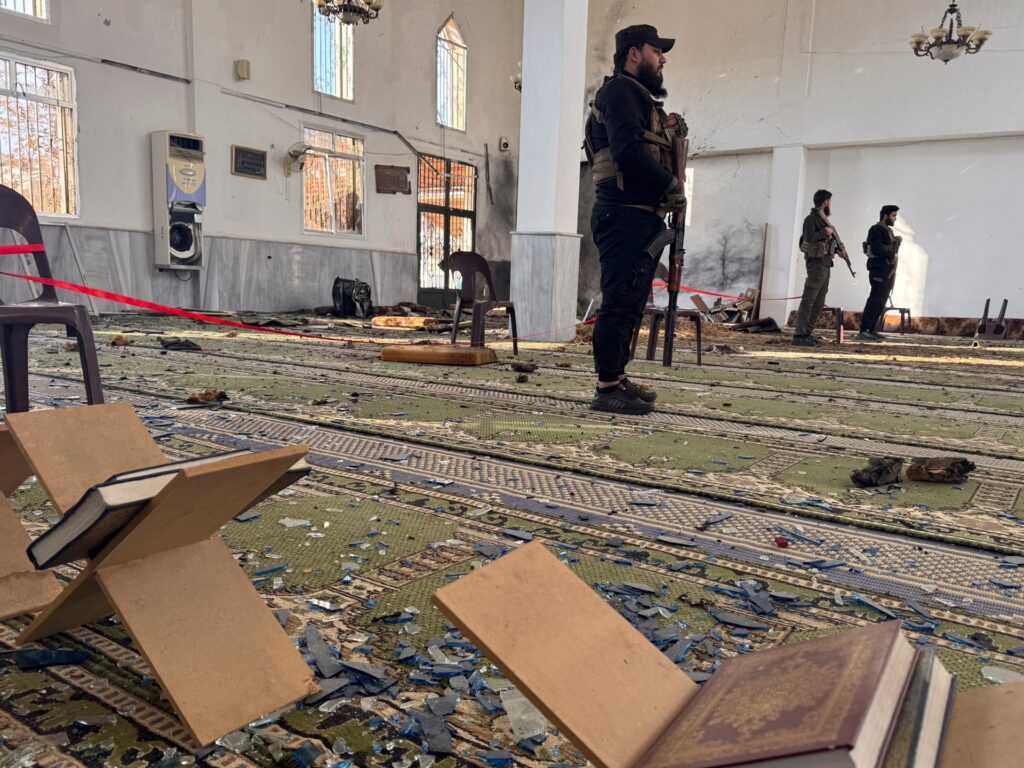
In recent developments from Syria, deadly clashes have erupted amid protests in key coastal cities. Hundreds of demonstrators have taken to the streets in Tartous and Latakia, two major urban centers known for their historical and strategic significance. The protests were sparked by demands for the release of former soldiers, marking a significant escalation in tensions within the region.
The unrest began when a large group of activists and concerned citizens gathered publicly to call for the freedom of these detained individuals. The protesters expressed their frustration and grievances through chants, banners, and public speeches, drawing widespread attention and support from various segments of the population.
Authorities responded swiftly to the demonstrations, deploying security forces to control the crowds and restore order. However, the situation rapidly deteriorated into violence, with clashes breaking out between protestors and law enforcement. Eyewitnesses reported the use of tear gas and rubber bullets in an effort to disperse the crowds, leading to casualties and injuries among demonstrators.
The root causes of the protests highlight a broader context of political discontent and social unrest in Syria. The detained former soldiers are believed to be connected to previous military actions or political opposition groups, which adds a layer of complexity to the current conflict. Families and supporters of the detainees have rallied behind the cause, emphasizing the need for justice and humane treatment.
These events take place against a backdrop of ongoing challenges in Syria, including economic hardships, political fragmentation, and the lingering effects of prolonged conflict. The coastal cities of Tartous and Latakia, while somewhat less affected by frontline violence compared to other regions, have witnessed rising tensions as local populations demand accountability and reforms.
International observers have expressed concern over the escalating violence and urged all parties to engage in dialogue and seek peaceful solutions. The clashes underline the fragile security environment in Syria and the urgent need for addressing underlying grievances to prevent further bloodshed.
As the situation develops, monitoring agencies and human rights organizations continue to document the events, calling attention to potential violations and the humanitarian impact on civilians. The protests can be seen as a barometer of wider societal dissatisfaction that, if unaddressed, may contribute to deeper instability.
The Syrian government has yet to release an official statement regarding the protests and subsequent violence. However, local reports suggest heightened security measures across the affected areas, including curfews and increased patrols.
In summary, the recent protests in Tartous and Latakia represent a critical moment in Syria’s ongoing struggle with political and social unrest. The demand for the release of former soldiers has ignited passionate responses and violent confrontations, reflecting the deeply rooted challenges facing the nation.
The developments serve as a reminder of the complexities of the Syrian conflict, where issues of justice, governance, and societal trust remain intertwined. Continued attention from both national and international communities will be essential in navigating the path toward resolution and stability.