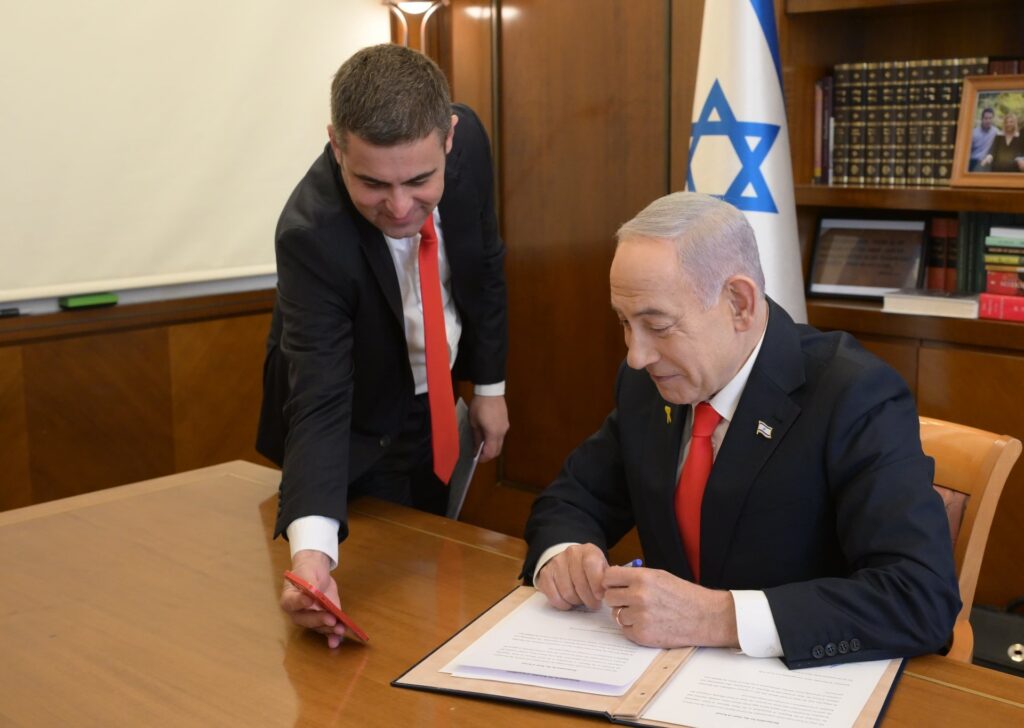
Somalia has firmly demanded that Israel withdraw its recent recognition of Somaliland, a self-declared independent region that Somalia regards as part of its sovereign territory. The matter was brought to light in an interview with Somalia’s State Minister for Foreign Affairs, who spoke to Al Jazeera about the implications of Israel’s diplomatic move.
According to the Somali official, Israel’s recognition of Somaliland is part of a strategic scheme aimed at displacing Palestinians from Gaza, linking the geopolitical decision to broader regional dynamics. The minister asserted that Israel’s actions undermine Palestinian rights and exacerbate tensions in the Middle East.
Somaliland proclaimed independence from Somalia in 1991 following the collapse of the Somali central government. However, it remains unrecognized by the international community, including Somalia, which considers Somaliland as an integral part of its national territory. The recent recognition by Israel marks a significant development, potentially impacting the fragile political balance in the Horn of Africa and the Middle East.
The Somali government has reiterated its commitment to the territorial integrity of the country and called on the international community to respect Somalia’s sovereignty. It emphasized that unilateral recognition of Somaliland by any foreign state could hinder peace efforts and regional stability.
Israel’s move is viewed by many in Somalia and the broader Arab world as an attempt to drive a wedge between African nations and the Palestinian cause, which has long been a sensitive and unifying issue among Arab and Muslim-majority states.
The Somali State Minister condemned the recognition as provocative and urged Israel to reverse its decision to prevent further escalation of diplomatic tensions. He highlighted that the recognition could encourage separatist movements elsewhere, destabilizing the region further.
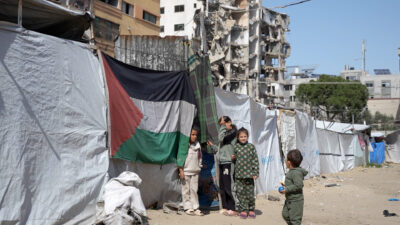
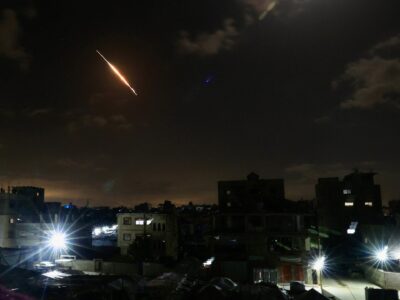
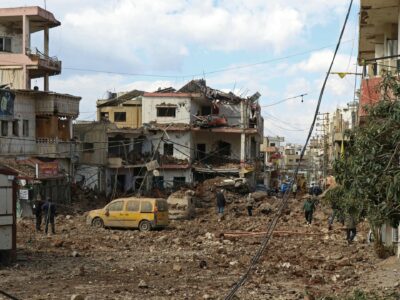
This diplomatic development occurs against the backdrop of heightened conflict in Gaza, where Israeli military operations have intensified. The Somali official framed the recognition within these events, suggesting that Israel’s policy maneuvers are interconnected with its broader strategy in Gaza and the Palestinian territories.
Somalia, while battling its own internal challenges including political instability and security issues, continues to champion the Palestinian cause and international legal norms concerning occupied territories.
In response, some international observers have expressed concern over the growing international fragmentation regarding Somaliland’s status and Israel’s expanding diplomatic engagements in Africa. They warn that such recognitions can create new fault lines in an already complicated international landscape.
The broader implications of Israel’s recognition of Somaliland remain to be seen, as it could potentially lead to increased diplomatic engagements between Israel and other African entities seeking to establish stronger economic and political ties. However, it equally risks alienating important allies who support Somalia’s territorial claims and the Palestinian cause.
As the situation unfolds, Somalia is expected to engage in heightened diplomatic efforts to rally regional and international support for its position and to isolate Israel’s recognition move diplomatically.
In sum, Somalia’s demand for Israel to withdraw its recognition of Somaliland reflects deep-seated concerns about sovereignty, regional stability, and the enduring Palestinian issue. The intersection of African territorial disputes with Middle Eastern geopolitics highlights the complexity of international relations in these overlapping regions.