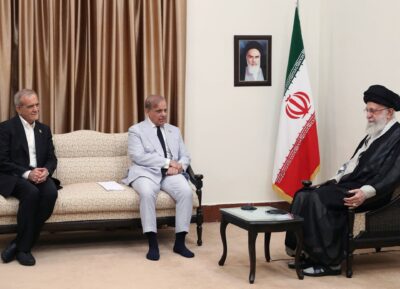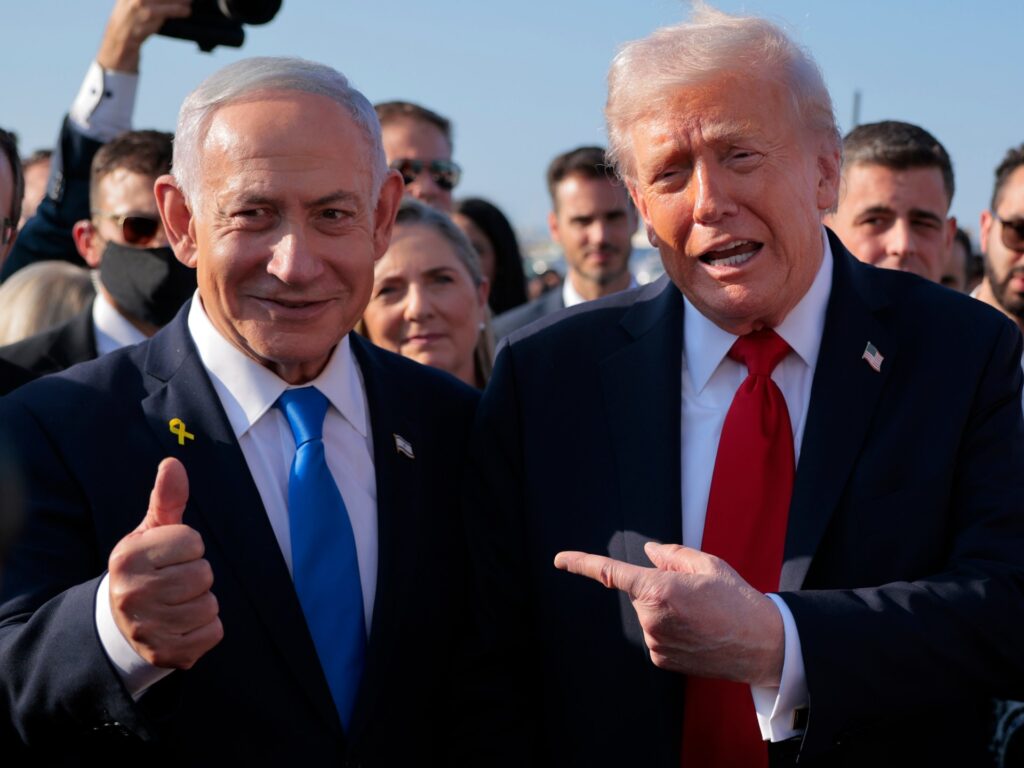
Israeli Prime Minister Benjamin Netanyahu is advocating for increased confrontation with Iran, a stance that has brought him into direct conflict with the foreign policy priorities of then-President Donald Trump. Netanyahu’s position calls for heightened US involvement in Iran, including potential military action, reflecting concerns over Iran’s nuclear program and influence in the region.
Meanwhile, President Trump’s base, largely skeptical of foreign interventions and favoring America First policies, opposes such moves against Iran. This division highlights a significant rift in US foreign policy circles where Trump aims to avoid entangling conflicts abroad, while Netanyahu and his supporters push for a more aggressive approach.
Pro-Israel donors and hawkish members of the US political landscape are key supporters of Netanyahu’s push for more assertive action against Iran. They have been influential in lobbying the US government to adopt stronger policies, including economic sanctions and military threats to curb Iran’s regional ambitions.
This divergence underscores the complexities in US-Israel relations, as well as the broader geopolitical considerations involving the Middle East. Netanyahu’s insistence on taking a firm stance against Iran could potentially strain relations with the Trump administration at a time when the US seeks to recalibrate its foreign policy priorities.
The ongoing debate is also reflective of the larger struggle within the United States over its role on the global stage—whether to engage actively in overseas conflicts or to retreat from long-standing military commitments abroad.
As Netanyahu continues to press for increased action, the Trump administration faces the challenge of balancing domestic political pressures with international security concerns. The outcome of this clash could have significant implications not only for US-Iran relations but also for the stability of the Middle East region.
In summary, Netanyahu’s push for confrontation with Iran represents a critical point of tension with President Trump’s approach to foreign policy, revealing opposing priorities between interventionist and isolationist perspectives within the US political spectrum. This conflict captures the essence of the ongoing debate about America’s engagement in Middle Eastern conflicts and its strategic partnership with Israel.