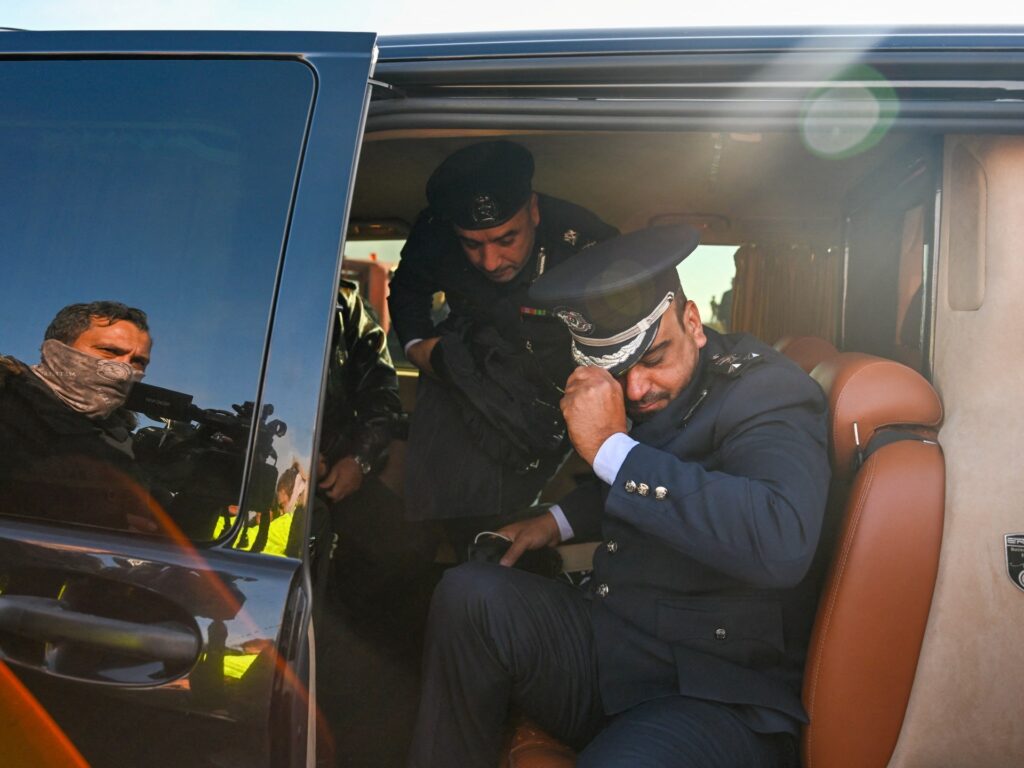
Libya recently held a solemn military funeral to honor senior military officials who tragically lost their lives in a plane crash in Turkiye. Among the deceased was the prominent Army Chief of Staff, Mohammed Ali Ahmed al-Haddad, along with other high-ranking officers. The incident has deeply affected the Libyan military establishment and the nation as a whole.
The plane crash occurred under circumstances that are still under investigation, prompting a wave of mourning across the country. The funeral was marked by military honors, with numerous dignitaries and military personnel attending to pay their respects. The ceremony took place in the presence of top government officials, military leaders, and family members of the victims.
Mohammed Ali Ahmed al-Haddad was a decorated and respected figure in the Libyan military hierarchy. His leadership was considered pivotal in ongoing efforts to stabilize and reform the country’s armed forces. The loss of al-Haddad and other senior officials is viewed as a severe blow to Libya’s military and national security.
During the funeral, speeches underscored the officers’ dedication to their country and their sacrifice. Condolences were extended not only to the families but also to the entire nation. The government has vowed to thoroughly investigate the cause of the crash to prevent such tragedies in the future.
This incident comes at a tumultuous time for Libya, which has been navigating political and security challenges for years. The death of these key military leaders adds to the complexity of the situation, potentially impacting ongoing military operations and strategic planning.
International reactions have also surfaced, with several countries and organizations expressing sympathy and solidarity with Libya. The global community recognizes the importance of stability in Libya not just for the region but for broader international security.
The plane crash and resulting losses serve as a somber reminder of the risks faced by military personnel, especially leaders deeply involved in critical national operations. The funeral proceedings reflected Libya’s respect and gratitude for the sacrifices made by these officers.
Future military and political actions in Libya will likely be influenced by the aftermath of this tragedy. The nation faces the challenge of mourning its leaders while continuing efforts toward peace and stability.
As Libya honors its fallen military officials, the focus remains on healing, unity, and strengthening the institutions that these leaders dedicated their lives to serving. The memory of Mohammed Ali Ahmed al-Haddad and his colleagues will persist as a symbol of commitment to Libya’s sovereignty and security.