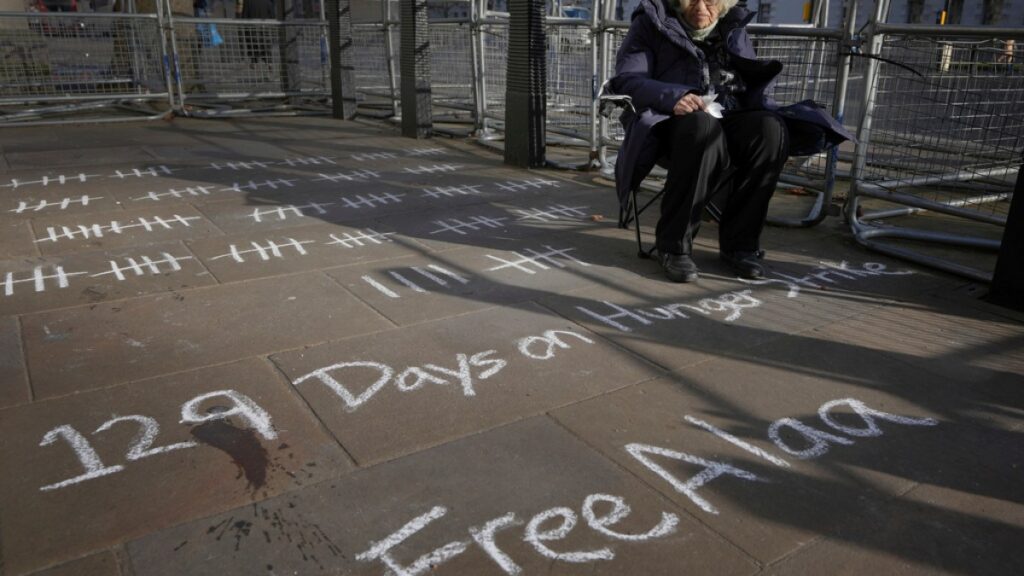
Keir Starmer, leader of the UK Labour Party, has announced the return of the Egyptian-British activist and blogger Alaa Abd El-Fattah to the United Kingdom. Abd El-Fattah, a prominent critic of the Egyptian government, has been a significant figure in advocating for human rights and freedom of expression. He spent nearly 12 years imprisoned in Egypt, enduring harsh conditions due to his activism and vocal opposition to authoritarian practices.
His arrival back on UK soil has been described by Starmer as a ‘profound relief,’ signaling hope for continued efforts in supporting human rights defenders globally. Abd El-Fattah’s return underscores the UK’s ongoing commitment to standing against political repression and supporting freedom of speech.
Alaa Abd El-Fattah, well-known for his influential blog and participation in Egypt’s pro-democracy movements, became a symbol of resistance during periods of intense political crackdown in Egypt. His imprisonment attracted international condemnation and calls for his release from human rights organizations and foreign governments alike.
The Egyptian government’s harsh stance against dissent has led to the detention of numerous activists, journalists, and bloggers. Abd El-Fattah’s case was among the most high-profile, making his eventual release and return to the UK a significant development in the campaign for political freedoms in the region.
Starmer’s statement highlighted the importance of protecting activists like Abd El-Fattah who risk their freedom and lives to speak out against injustice. The UK Prime Minister’s acknowledgment of Abd El-Fattah’s arrival reflects increased awareness and responsiveness to human rights issues affecting dual nationals and activists worldwide.
With his return, Abd El-Fattah is expected to continue his advocacy from the UK, contributing his voice to international dialogues about democracy, human rights, and digital freedoms. His experience underlines the challenges faced by activists in authoritarian regimes and the importance of international solidarity and protection.
For nearly twelve years, Abd El-Fattah faced imprisonment conditions that the United Nations and human rights groups have criticized as violations of fundamental rights. His resilience throughout underline the enduring struggle for freedom of expression in oppressive political climates.
As Abd El-Fattah resettles in the UK, there is growing anticipation that his insights and firsthand experiences will enhance understanding of Egypt’s political situation among British policymakers and the public. This may further inform UK foreign policy and human rights advocacy.
The return of Alaa Abd El-Fattah also puts a spotlight on the ongoing repression in Egypt and the continuing risk faced by activists who challenge authoritarian governments. It serves as a reminder of the importance of international advocacy and pressure to uphold human rights globally.
This development has been welcomed by numerous human rights organizations, which see it as a step towards reclaiming justice and amplifying marginalized voices. It is hoped that Abd El-Fattah’s case will foster greater protection for activists worldwide and inspire action against unjust imprisonment.
In conclusion, Keir Starmer’s announcement of Alaa Abd El-Fattah’s return to the UK is a notable moment in the global fight for human rights and freedom of expression. It highlights both the plight of activists under oppressive regimes and the vital role of international support in safeguarding these defenders of democracy. Abd El-Fattah’s journey from imprisonment to freedom marks a beacon of hope and a call to continue the struggle for justice and liberty around the world.