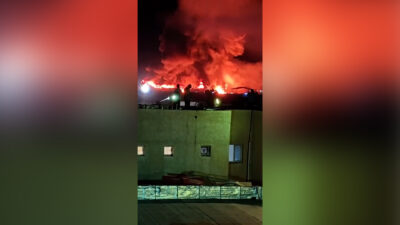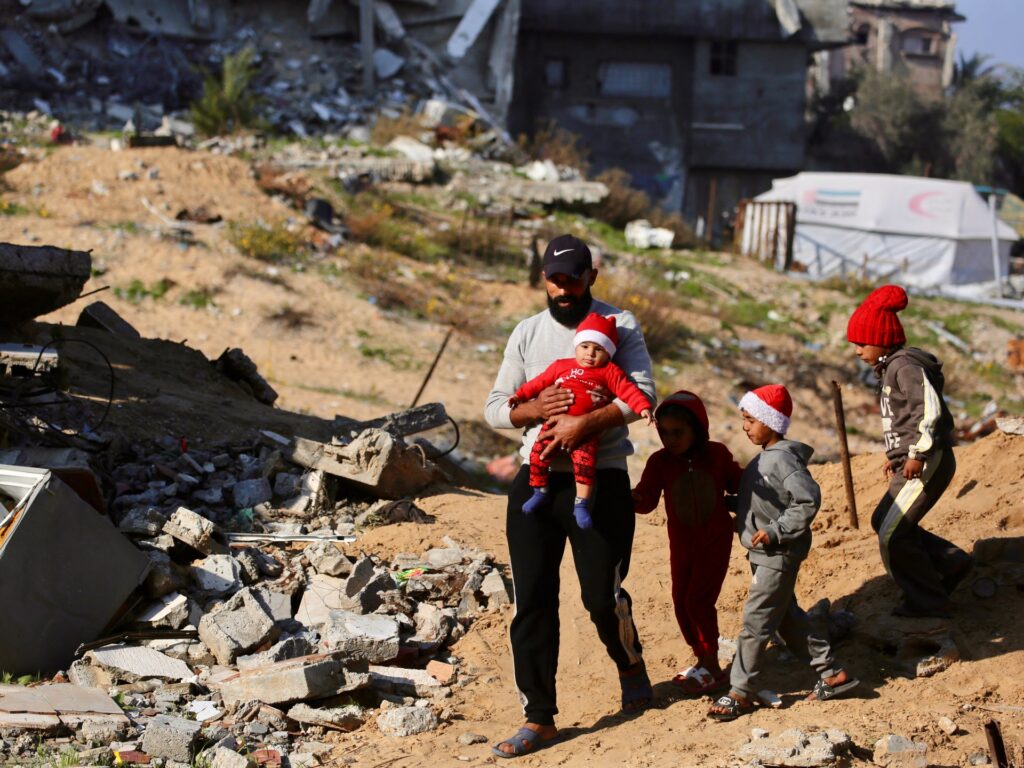
The Palestinian death toll since the start of the truce in Gaza has risen to 411 as Israeli forces carried out raids across the West Bank and involved in fatal incidents in Gaza. Despite the truce, which was meant to ease violence and restore calm, near daily violations by Israeli forces have continued, exacerbating tensions in the region.
The latest reports confirm that Israeli forces killed a Palestinian in Gaza, marking a severe breach in the fragile peace established by the truce. Alongside this, numerous raids by Israeli troops continue to take place in the West Bank, targeting various Palestinian areas.
These operations often involve house searches, detentions, and confrontations with local residents. The raids are part of Israel’s broader security strategy, which officials say is aimed at combating militant activities. However, Palestinians and human rights groups condemn the raids as violations of international law and accuse Israeli forces of excessive use of force.
The death toll of 411 Palestinians reflects the ongoing violence that has persisted despite the truce agreement. The conflict between Israelis and Palestinians remains deeply entrenched, with both sides suffering casualties and facing heightened security and humanitarian concerns.
The international community has repeatedly called for restraint from both parties and urged a return to negotiations to achieve a sustainable peace. However, the continuing incidents highlight the fragility of the current ceasefire and the challenges in addressing the root causes of the conflict.
In Gaza, the political and humanitarian situation remains dire. With regular incursions and clashes, civilians continue to bear the brunt of the violence, facing displacement, injuries, and loss of life. Medical facilities and infrastructure have also been severely affected, limiting access to essential services.
In the West Bank, the raids have disrupted daily life and increased fear among Palestinian communities. The economic implications are significant, as businesses face closures, and mobility restrictions further hinder livelihoods.
International human rights organizations have documented incidents during these raids, reporting cases of arbitrary arrests, use of live ammunition, and property damage. There have been calls for independent investigations and accountability to prevent further escalation.
The recent escalation also risks destabilizing the broader region, potentially drawing in neighboring countries and impacting global diplomatic efforts aimed at resolving the conflict. Regional powers have expressed concern over the increasing violence and have called for dialogue and de-escalation.
The Israeli government maintains that its actions are necessary for national security and to prevent terrorist attacks. However, critics argue that the approach undermines prospects for peace and fuels further resentment.
As the death toll rises and violations continue, the need for renewed international engagement and a robust peace process is more urgent than ever. Without addressing fundamental issues such as settlement expansion, border disputes, and the rights of Palestinians, the cycle of violence is likely to persist.
The situation remains fluid and volatile, with potential for further escalations or breakthroughs dependent on political will and international mediation efforts. Both Israeli and Palestinian leaders face mounting pressure from their constituencies to find a solution that ends the suffering and brings lasting peace to the region.