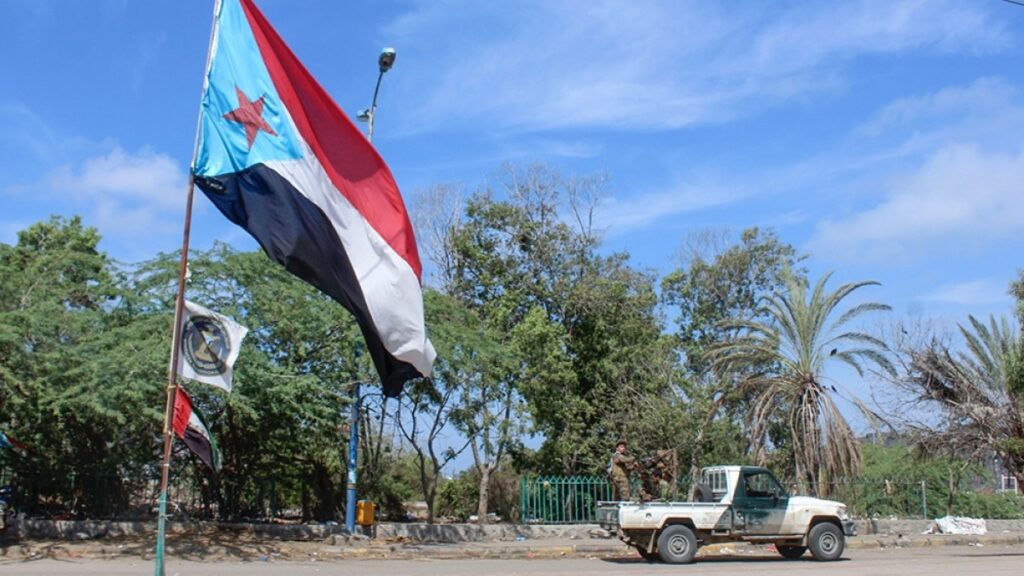
In recent developments in Yemen, separatist forces belonging to the Southern Transitional Council (STC) have accused Saudi Arabia of carrying out airstrikes against their positions in the Hadramout province. This accusation comes amid escalating tensions following the STC’s refusal to withdraw from several eastern provinces that they seized earlier this month.
The Southern Transitional Council, which campaigns for the independence of southern Yemen, has been in control of various strategic locations in the eastern region. Their refusal to vacate these provinces, despite calls for a peaceful resolution, has apparently prompted military action.
According to reports from the STC, Saudi-led coalition forces conducted air attacks targeting their units in Hadramout, significantly intensifying the conflict in the area. The coalition, led by Saudi Arabia, has been involved in Yemen since 2015, supporting the internationally recognized Yemeni government against Houthi rebels.
The recent strikes against the STC forces mark a complex twist in the conflict, as the Saudi coalition appears to be challenging the separatists, a group it has sometimes tolerated or supported in the past to counterbalance other factions. The STC’s control over key economic and strategic hubs, including areas rich in oil resources, has been a contentious issue not only within Yemen but also among external powers involved in the conflict.
The situation remains volatile with potential for further escalation. Civilians in Hadramout and neighboring provinces continue to face hardships due to ongoing fighting and instability. Humanitarian agencies have expressed concern over the impact of renewed hostilities on the civilian population, urging all parties to pursue dialogue and avoid actions that could lead to wider conflict.
This development highlights the multifaceted nature of Yemen’s civil war, where alliances and enmities are fluid. The STC’s assertiveness in eastern territories underscores their determination to establish political and territorial claims amidst a fractured political landscape.
International observers and stakeholders are closely monitoring the situation, emphasizing the urgent need for comprehensive peace talks that incorporate all factions, including separatist groups like the STC, to achieve sustainable resolution in Yemen.
The conflict in Yemen continues to have profound regional implications. Saudi Arabia’s actions against the STC might be a strategic move to consolidate influence and control in eastern Yemen, but it also risks alienating factions that have previously played roles in the broader coalition efforts.
As the Yemen crisis enters another critical phase, the international community faces the challenge of navigating a complex web of rivalries and alliances. Ensuring that humanitarian needs are met while advancing peace initiatives remains a priority in the face of ongoing violence and political fragmentation.
The accusations by the Southern Transitional Council against Saudi Arabia represent a significant escalation and underscore the fragile and dynamic nature of Yemen’s conflict, where today’s ally can become tomorrow’s adversary in the shifting landscape of war and diplomacy.