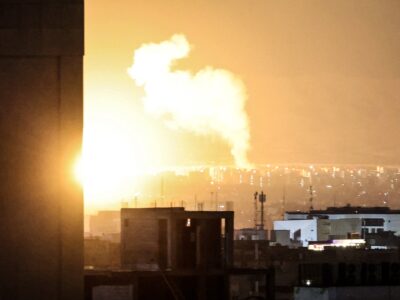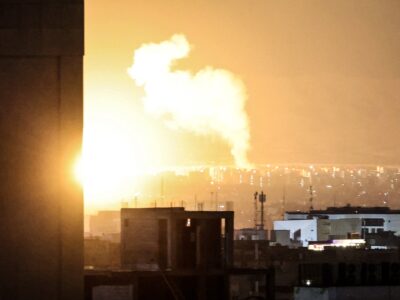
Recent US airstrikes have targeted ISIL militants in Nigeria, intensifying the fight against the extremist group in the region. These military actions are part of an ongoing international effort to dismantle terrorist strongholds across Africa. The strikes occurred in areas identified as ISIL operational zones, as reported by the US Department of Defense, aiming to weaken the group’s capacity for violence and destabilization.
However, the attacks have sparked debate, particularly due to comments from former President Donald Trump, who linked the strikes to the defense against what he termed “Christian genocide.” Trump’s assertion highlighted the perceived persecution of Christian communities in Nigeria, suggesting that the US actions directly responded to religiously motivated violence.
Yet, investigations and reports suggest a more complex situation. The violent attacks on Christian farmers, which have contributed to high tensions in the region, occurred in different locations from the sites targeted by the US airstrikes. Analysts emphasize that while religious and ethnic conflicts persist in Nigeria, the US military’s primary motive is counterterrorism rather than responding to localized religious violence.
Nigeria has long struggled with religiously fueled conflicts, especially between predominantly Muslim Fulani herders and Christian farming communities in the Middle Belt region. These conflicts have resulted in thousands of deaths and widespread displacement, exacerbating the humanitarian crisis.
ISIL, through its West African affiliate known as the Islamic State West Africa Province (ISWAP), has exploited regional instability to expand its influence. The group’s activities include attacks on military and civilian targets, aiming to establish a caliphate and undermining Nigeria’s national security.
The recent airstrikes specifically targeted ISWAP strongholds located mostly around the Lake Chad Basin area, a known hotspot for militant activity. These strikes are part of a broader strategy by the United States and its allies to support Nigerian forces in curbing the threat posed by ISIL affiliates.
Critics of the US action argue that the focus on militaristic responses overlooks the root causes of violence, including land disputes, poverty, and political marginalization. They warn that without addressing these socio-economic issues, violence and radicalization might intensify.
Meanwhile, humanitarian groups emphasize the urgent need for aid and reconciliation efforts alongside military interventions. They propose inclusive dialogues involving all affected communities as a path toward sustainable peace.
In conclusion, while the US bombings against ISIL in Nigeria are a significant step in combating terrorism, claims linking these strikes solely to “Christian genocide” are misleading. The dynamics of violence in Nigeria are multifaceted, involving a mixture of ethnic, religious, and political factors that require comprehensive and nuanced approaches rather than simplistic narratives.
Understanding the complexities on the ground is crucial for international observers, policymakers, and communities striving for stability in Nigeria and the broader West African region.