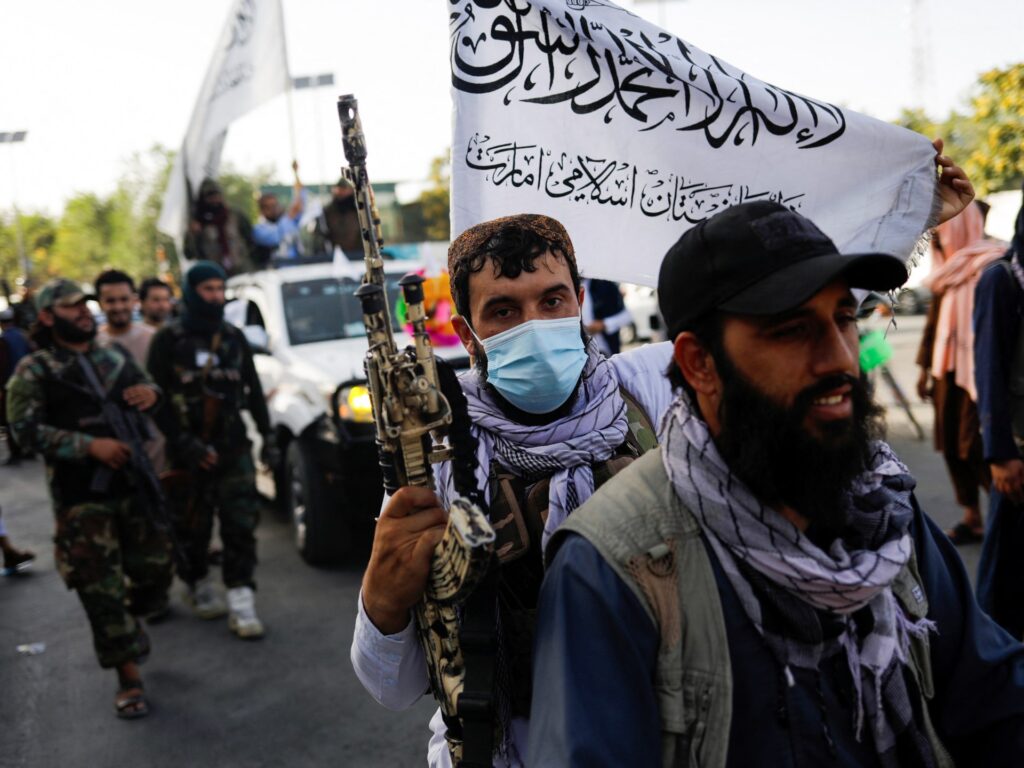
Recent clashes at the Tajikistan-Taliban border have raised significant concerns in Central Asia, particularly due to the involvement of unknown assailants targeting Chinese interests in the region. These incidents underscore the complex security dynamics spilling over from Afghanistan into neighboring states.
The border area between Tajikistan and Afghanistan, where the Taliban hold sway, has long been a zone of instability. The latest attacks involve unknown armed groups crossing into Tajikistan, prompting military confrontations with Tajik forces. While the precise identities and motivations of these assailants remain murky, their actions appear to focus on Chinese businesses and workers operating in Tajik territory.
China’s substantial investments in Tajikistan, especially in infrastructure projects and resource extraction, have marked it as a key player in Central Asia’s economic landscape. The region forms a critical corridor for China’s Belt and Road Initiative (BRI), aiming to enhance connectivity and trade links across Eurasia. Disruptions caused by border violence threaten not only local security but also China’s strategic economic interests.
Analysts suggest that the assailants may seek to undermine China’s presence as part of broader regional power plays or ideological opposition to foreign investment linked to the Chinese government. Some speculate the attackers could be affiliated with Afghan militant groups opposing the Taliban’s current governance or aiming to destabilize border security.
Tajikistan, meanwhile, is under pressure to secure its borders effectively to prevent spillover of instability from Afghanistan. The attacks have led to increased military patrols and tighter surveillance along the border. This heightened security posture may, however, strain Tajik resources and complicate diplomatic relations with its neighbors.
The situation also impacts regional cooperation efforts in Central Asia. China and Tajikistan, along with other countries, must navigate a challenging environment of overlapping security concerns, economic ambitions, and shifting alliances.
In conclusion, the Tajikistan-Taliban border clashes are symptomatic of wider regional turbulence following Afghanistan’s political upheaval. The targeting of Chinese enterprises highlights the vulnerabilities of foreign investments in conflict-prone areas. For China, maintaining stability along its western periphery is crucial to sustaining the momentum of its Belt and Road projects and securing its broader strategic interests in Asia.