Tensions have escalated once again between Cambodia and Thailand, as Cambodia accuses Thailand of conducting a ruthless bombardment along their contested border region. This military action has occurred amidst ongoing border talks aimed at resolving longstanding disputes between the two neighboring countries. The latest flare-up has severely disrupted a peace accord that was established in October to maintain calm and promote cooperation in the border areas.
The conflict centers on a disputed stretch of land that has historically been a source of friction between Cambodia and Thailand. Both nations claim sovereignty over overlapping territories, and attempts to demarcate the border have repeatedly broken down. The recent hostilities mark a significant setback after months of diplomatic efforts intended to foster dialogue and peaceful resolution.
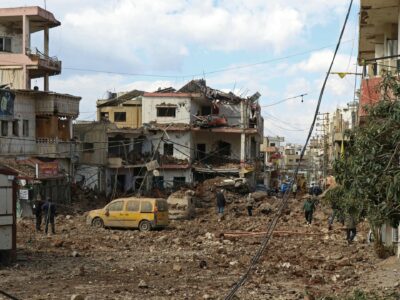
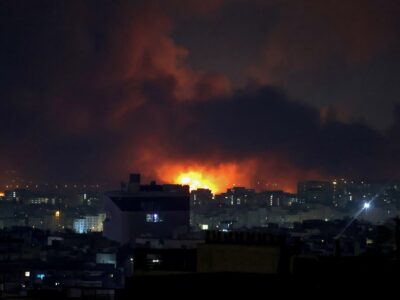
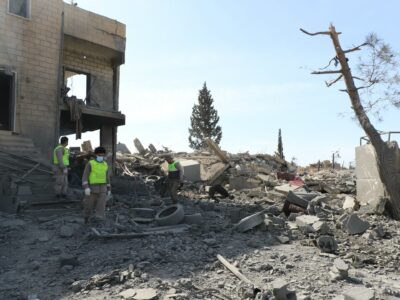
According to Cambodian officials, the recent Thai bombardment was not only indiscriminate but also ruthless, causing extensive damage to border villages and displacing numerous local residents. Cambodia has condemned the actions, labeling them as violations of the ceasefire agreements and a threat to regional stability.
In response to the heightened tensions, the United States has stepped forward offering to mediate further talks between Cambodia and Thailand. American diplomats emphasize the importance of dialogue in defusing hostilities and finding a lasting solution that honors the October peace accord.
The US mediation proposal includes plans for a series of negotiations involving both parties, aimed at de-escalating the current conflict and addressing the root causes of the territorial disputes. The mediation seeks to secure commitments to cease all military operations in the contested area and resume peaceful negotiations with the goal of establishing a definitive border.
Both Cambodia and Thailand have a history of deeply rooted national pride over their border claims, making the conflict both politically and emotionally charged. This complexity underscores the challenges facing diplomats attempting to broker a durable peace agreement.
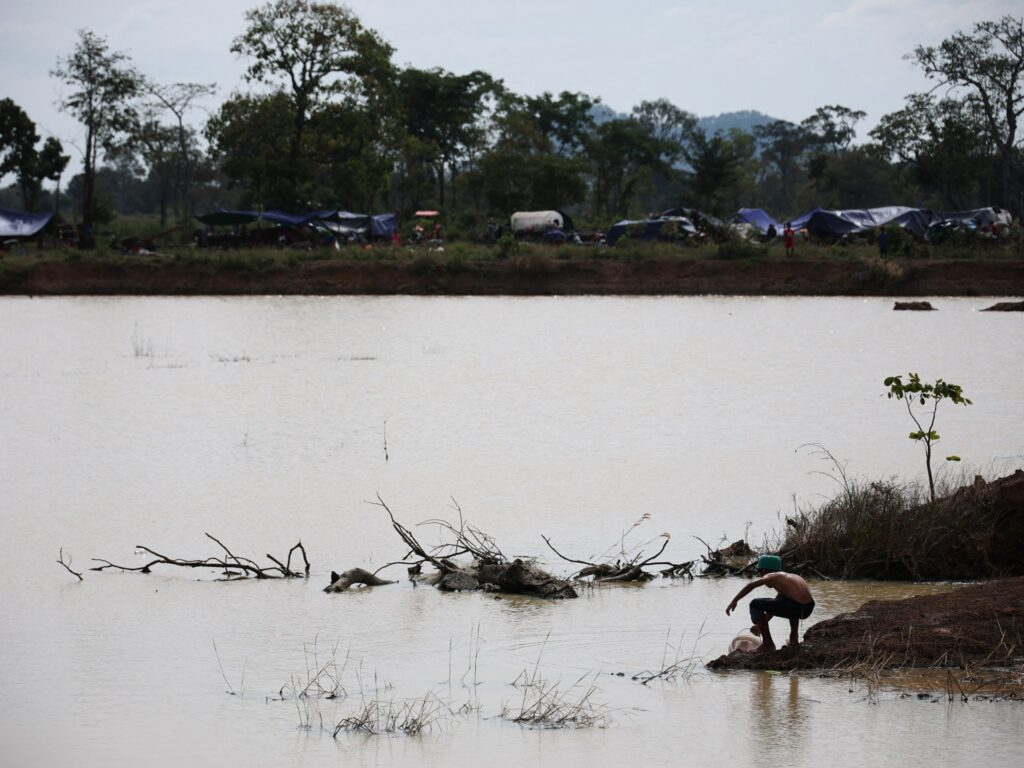
The recent violence has not only caused military casualties but also inflicted hardship on civilians living near the border. Humanitarian concerns have been raised about the displacement of families and the destruction of homes, schools, and local infrastructure.
Regional leaders from the Association of Southeast Asian Nations (ASEAN) have also expressed concern and called for restraint from both sides, urging them to honor existing agreements and engage in constructive dialogue.
Analysts warn that without sustained international support and commitment from both countries, the conflict risks spiraling into a wider confrontation that could destabilize the broader region.
Despite the setbacks, there remain cautious hopes that renewed talks under US mediation might pave the way for an enduring ceasefire and peaceful coexistence. The international community watches closely as Cambodia and Thailand navigate this challenging path toward reconciliation and stability.
The situation continues to develop, with diplomatic efforts intensifying in hopes of preventing further violence and fostering a durable peace in the historically disputed border region.