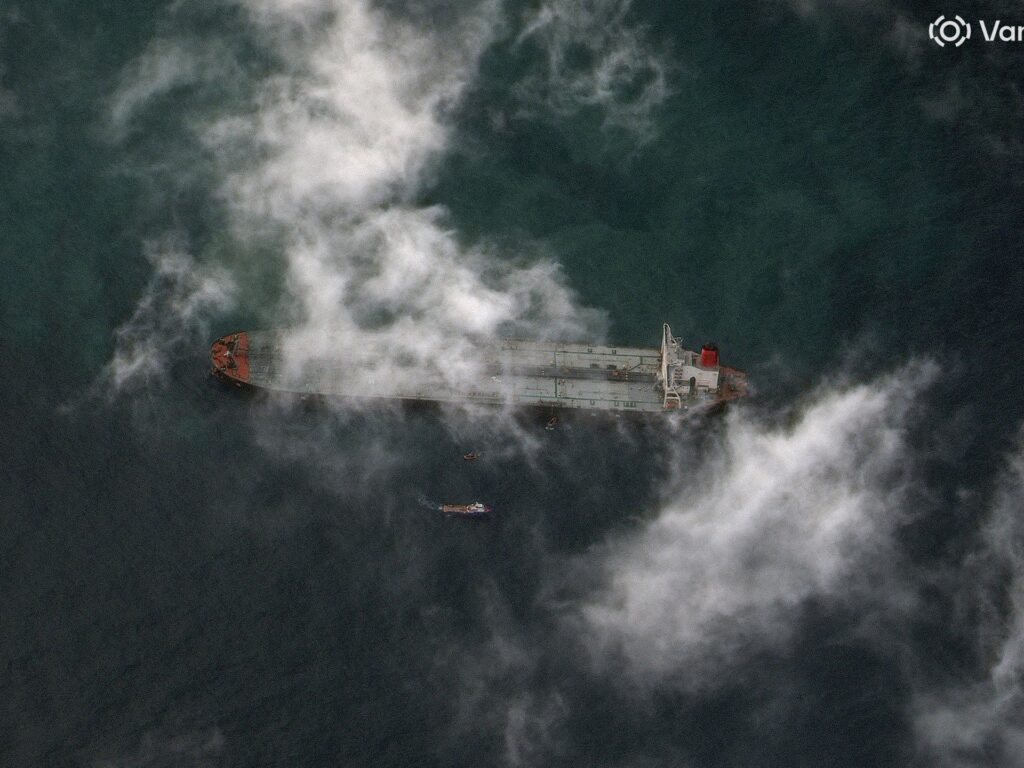
The United States has signaled a strategic shift in its approach towards Venezuela, opting to intensify economic pressure rather than considering military options. According to a US official who spoke with Reuters, Washington intends to focus its efforts on targeting Venezuela’s vital oil sector as a primary lever of influence.
This move comes amid ongoing tensions between the two countries, with the US seeking to address concerns related to governance, human rights, and political stability in Venezuela. Oil exports constitute a significant portion of Venezuela’s economy, making the sector a critical target for sanctions and economic measures.
Previously, US policy towards Venezuela included a range of potential responses, including the possibility of military intervention. However, the current administration appears to prioritize diplomatic and economic tools to exert pressure without escalating to armed conflict.
Economic sanctions targeting Venezuela’s oil industry are expected to hamper the government’s revenue streams, which are heavily reliant on oil exports. By constraining financial flows and limiting access to international markets, the US hopes to compel the Venezuelan leadership to enact political reforms and restore democratic governance.
This approach aligns with Washington’s broader foreign policy strategy to use economic sanctions as leverage in resolving international disputes. The focus on non-military means reflects a cautious stance aimed at minimizing regional instability and avoiding direct confrontation.
Experts note that targeting Venezuela’s oil sector could have significant implications for global energy markets. Given Venezuela’s status as a major oil producer, prolonged sanctions may disrupt supply chains and contribute to price volatility. Nevertheless, the US seems prepared to accept these risks to achieve its diplomatic objectives.
Venezuelan officials have previously condemned US sanctions, describing them as coercive measures that harm the country’s economy and population. The ongoing crisis in Venezuela, marked by economic hardship and political unrest, underscores the high stakes involved in the international efforts to influence its trajectory.
As Washington enacts this recalibrated strategy, it remains to be seen how Venezuela and other international stakeholders will respond. The evolving dynamics highlight the complexities of addressing entrenched political challenges through economic means in the contemporary geopolitical landscape.