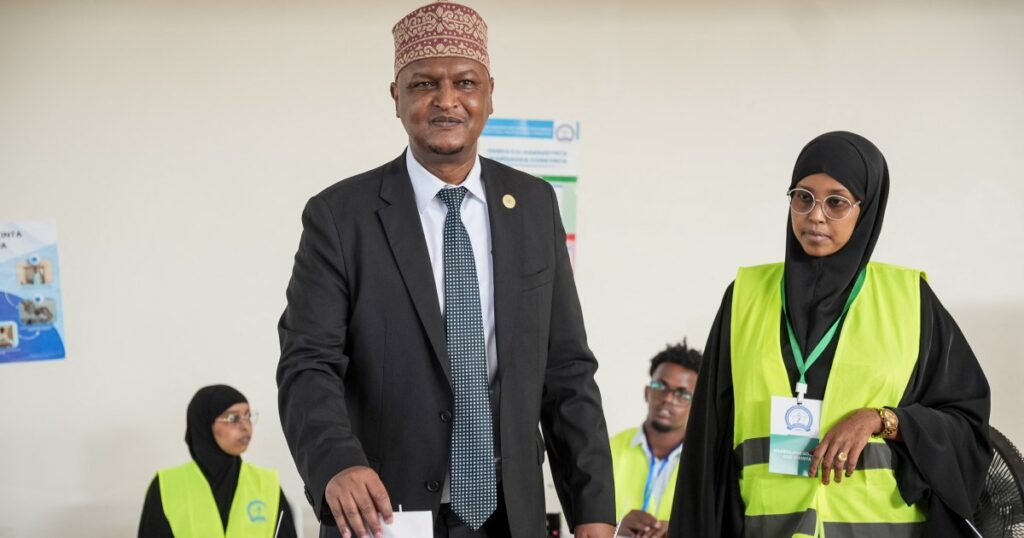
In a landmark event, the capital city of Somalia, Mogadishu, conducted its first direct local elections in 56 years. This historic election marks a significant milestone in the country’s ongoing efforts toward democratic governance and political stability.
For the first time since the early 1960s, citizens of Mogadishu were able to vote directly for their local officials, a process that symbolizes a move away from more centralized or appointed governance systems that have prevailed over the decades due to ongoing conflict and political instability in Somalia.
Despite the hopeful symbolism of this election, it was not without controversy. Several opposition parties chose to boycott the polls, citing concerns over the electoral process and political freedoms. These boycotts reflect continuing challenges within Somalia’s political landscape as the nation strives to establish a fully inclusive and transparent electoral system.
The election took place amid heightened security measures, with government forces and international peacekeeping units deployed to ensure a safe and fair voting environment. This deployment underscores the fragile state of peace in Somalia, where insurgent groups and clan rivalries remain active threats.
Voter turnout was closely monitored, with initial reports indicating a cautiously optimistic participation rate. International observers and Somali civil society groups have hailed the elections as a positive step, though they continue to emphasize the need for reforms and dialogue to bridge political divides.
The successful conduct of these elections in Mogadishu could pave the way for further democratic processes at regional and national levels in Somalia. They represent a challenge and an opportunity to strengthen institutions, uphold rule of law, and enhance citizen engagement in governance.
Critical issues raised during the election campaign included security, economic development, public services, and the fight against corruption. Candidates promised to address these areas, appealing to a population eager for improved stability and quality of life.
Somalia’s federal government has expressed hope that this electoral process will be a catalyst for national unity and reconciliation. It acknowledges that overcoming decades of conflict and establishing functioning democratic institutions is an ongoing journey requiring persistent effort and collaboration.
International partners continue to support Somalia in these efforts, providing technical assistance, funding, and diplomatic encouragement to ensure that democratic gains are consolidated and that the political process remains inclusive and resilient.
While the electoral boycott by opposition factions highlights necessary concerns that must be addressed, the brave step taken by the voters of Mogadishu in participating in this historic election cannot be understated. It symbolizes the electorate’s desire for change and a better future.
As Somalia looks forward, the lessons learned from this first direct election in over half a century will be invaluable. Policy makers, civil society, and citizens alike must work together to strengthen electoral integrity, protect political freedoms, and foster a culture of dialogue and respect.
The 2024 Mogadishu local polls represent more than just a vote; they are a beacon of hope and resilience for a country that has endured hardship but remains committed to democratic ideals. The world watches with interest as Somalia takes these critical steps toward a more stable and democratic society.