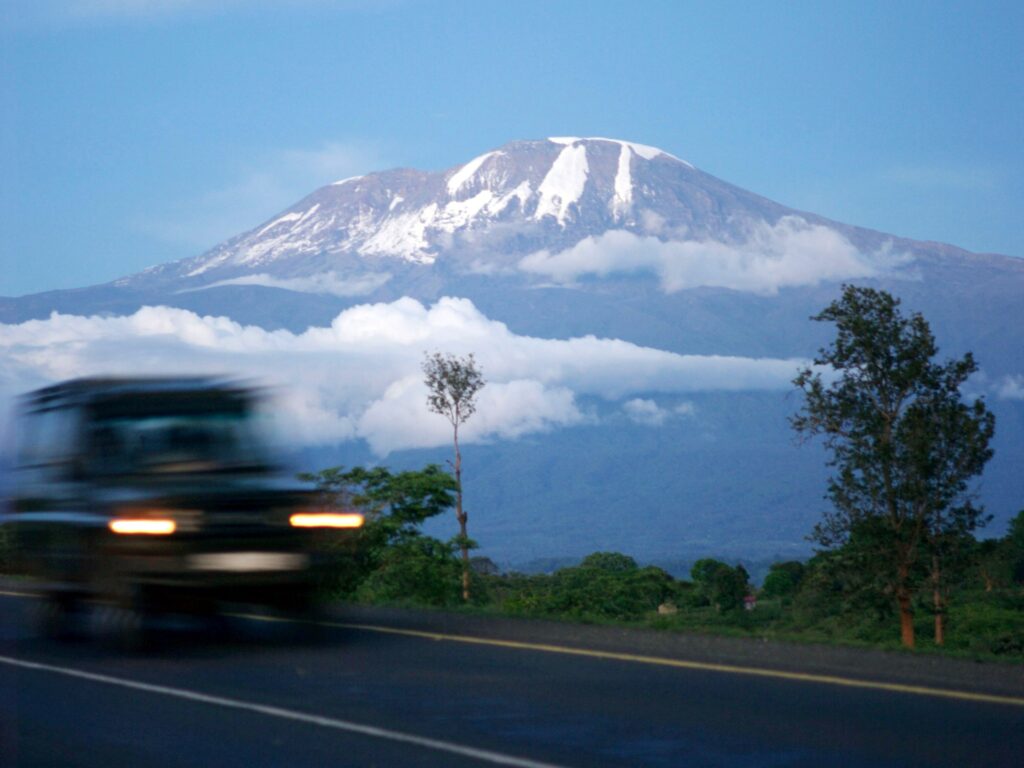
A tragic accident occurred on Tanzania’s iconic Mount Kilimanjaro, Africa’s highest peak, when a rescue helicopter crashed, resulting in the deaths of five individuals. Among those killed were two foreign nationals who were seeking medical evacuation from the mountain. The incident has sent shockwaves through the local and international community, highlighting the challenges and risks involved in rescue operations in rugged and high-altitude environments.
Mount Kilimanjaro, known for its stunning beauty and attracting numerous tourists and climbers each year, is also a location where rescue operations can become necessary due to altitude sickness, injuries, and other unforeseen medical emergencies. Helicopter evacuations are often deployed to provide swift medical assistance and transport to those in critical condition.
In this unfortunate event, the helicopter was dispatched to evacuate the two foreign climbers who required urgent medical attention. However, during the mission, the helicopter crashed, killing all five occupants aboard, including the patients, the helicopter crew, and possibly a rescue official.
Authorities are investigating the cause of the crash. Preliminary reports suggest that the challenging weather and difficult terrain may have contributed to the accident. Rescue and emergency response services in mountainous areas must often contend with unpredictable weather patterns, thin air at high altitudes, and limited visibility.
The Tanzanian government and local Mount Kilimanjaro operators have expressed deep condolences to the families of the victims. They have also promised a thorough investigation to determine the exact circumstances of the crash and to improve safety measures for future rescue missions.
This tragedy underscores the inherent risks associated with mountain rescue operations, particularly in active tourist destinations such as Mount Kilimanjaro. Efforts to enhance emergency preparedness, pilot training, and the availability of safer evacuation options continue to be critical in minimizing such incidents.
Mount Kilimanjaro remains a symbol of natural grandeur and adventure in Africa. The loss of these five lives is a somber reminder of the dangers that can accompany even carefully planned expeditions and the urgency of advancing safety protocols.
As the investigation progresses, authorities urge climbers to exercise caution and ensure that they are adequately prepared for the physical demands of the mountain. Tour operators are also expected to review their safety standards and emergency response plans.
The international community, including tourism and mountain rescue organizations, has offered support to Tanzania as it mourns this tragic loss and looks to strengthen measures to protect visitors and responders in the future.
In summary, the helicopter crash on Mount Kilimanjaro that claimed five lives, including two foreigners seeking medical evacuation, is a stark reminder of the hazards of mountain rescue operations. It calls for renewed focus on safety, training, and technology to prevent such disasters and safeguard the lives of climbers and rescuers alike.