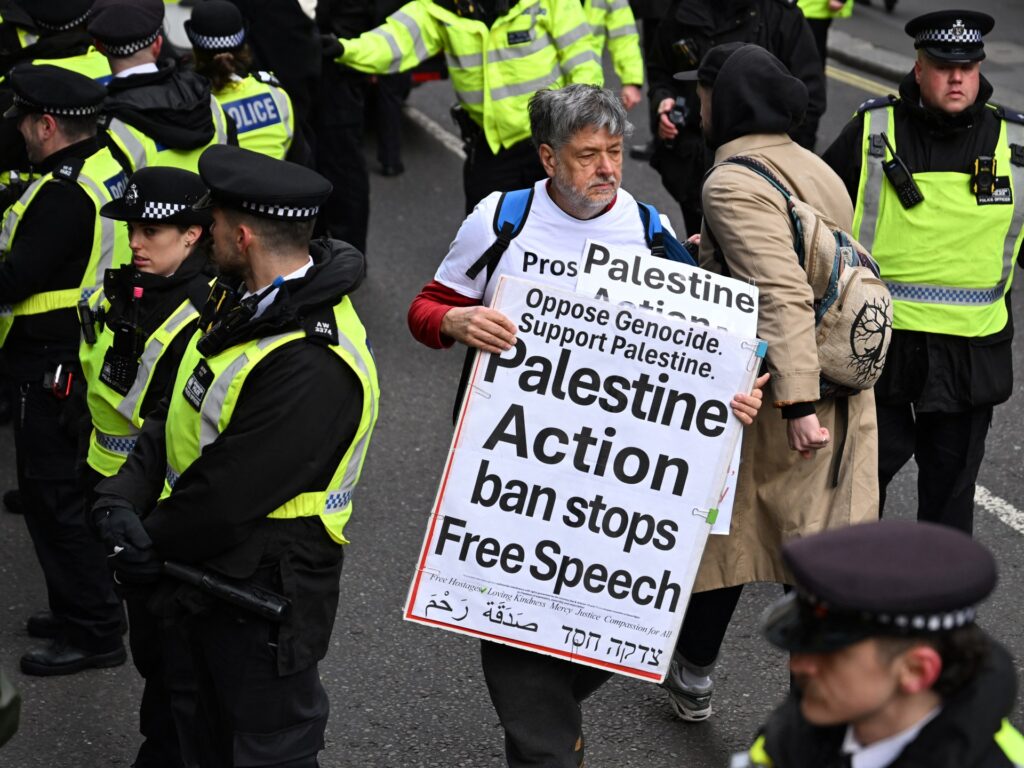
Hunger strikes have long been a powerful form of protest within prisons, symbolizing resistance and drawing attention to complex political and human rights issues. Recently, four members of Palestine Action have continued their hunger strikes in the UK, underscoring the ongoing relevance of this dramatic form of dissent.
The practice of hunger strikes has shaped history in various political contexts, often serving as a last resort for prisoners who feel that peaceful advocacy or legal avenues are blocked. It is a nonviolent method of protest that can generate significant public sympathy and put pressure on governments or institutions to address grievances.
In the UK context, hunger strikes have a storied past. For example, during the early 20th century, Irish republican prisoners used hunger strikes to protest British rule in Ireland. These campaigns drew worldwide attention and were instrumental in shaping political negotiations and outcomes related to Irish independence.
Similarly, Palestinian prisoners have used hunger strikes to highlight conditions in Israeli detention facilities. Such strikes aim to raise awareness about issues like administrative detention, alleged mistreatment, or political imprisonment without trial. Hunger strikes often become a focal point of broader international human rights campaigns.
Palestine Action, a group advocating for Palestinian rights and opposing arms trade to Israel, has adopted hunger strikes as part of their protest tactics. Their current strikes in the UK reflect the group’s strategy to bring global attention to the ongoing Israeli-Palestinian conflict and to the complicity of Western governments.
The decision to undertake a hunger strike is typically not taken lightly. Participants face severe health risks, and the strikes test the resolve of both the individuals and the authorities involved. Historically, these actions have resulted in some concessions, though often at great personal cost to the hunger strikers.
The symbolic power of hunger strikes lies in their demonstration of agency and sacrifice. Prisoners who engage in this form of protest assert control over their own bodies to demand justice or reforms, often when all other means seem ineffective.
In contemporary society, the media coverage and public discussions generated by hunger strikes have helped shed light on broader systemic issues, including the treatment of political prisoners, human rights abuses, and the politics of incarceration.
For Palestine Action members, the hunger strikes in the UK are both a continuation of a historical legacy and a call to action. They serve to remind the public that struggles for justice and human rights continue worldwide and that peaceful protest remains a critical tool in advocating for change.
As these hunger strikes persist, the international community is watching closely. The enduring history of hunger strikes as a catalyst for awareness and reform emphasizes their significance beyond the immediate context, highlighting their role in the ongoing fight for rights, dignity, and freedom in Palestine and beyond.