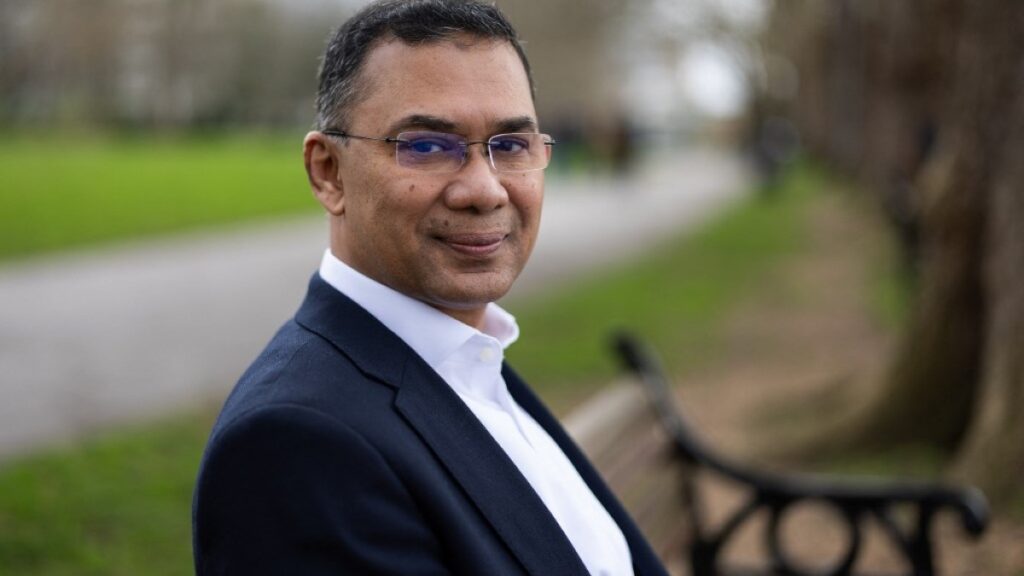
Tarique Rahman, the acting chairman of the Bangladesh Nationalist Party (BNP), has made a significant return to Bangladesh after spending 17 years in exile. His homecoming has stirred considerable political excitement as he is widely regarded as a leading candidate for the prime ministership in the upcoming elections scheduled for February.
Tarique Rahman’s prolonged absence from the country was marked by political challenges and controversies. His return signifies a crucial turning point not only for himself but also for the BNP, one of Bangladesh’s major political parties.
The BNP has been a key player in the country’s political landscape, often contesting power with the ruling Awami League. With Tarique Rahman at the helm, the party appears poised to present a formidable challenge in the forthcoming general elections.
Rahman’s leadership style and political agenda will now come under intense scrutiny as voters and political analysts attempt to gauge the potential impact of his return on Bangladesh’s political dynamics. His candidacy for prime minister highlights the BNP’s strategy to consolidate opposition forces and appeal to a broad electorate.
His exile, lasting nearly two decades, was largely due to legal and political pressures. Over the years, Rahman has maintained strong connections with his party and supporters, strategizing his comeback and bolstering party unity from afar.
The return, therefore, is not just symbolic but could have practical implications for electoral politics and governance in Bangladesh. It may reshape alliances and influence policy dialogues leading up to the election.
Supporters of Tarique Rahman and the BNP have expressed enthusiasm and hope that his leadership will bring political change and address critical national issues like economic development, corruption, and governance.
Conversely, critics remain cautious, focusing on past controversies and the challenges that Rahman and the BNP must overcome to secure voter confidence.
The political landscape of Bangladesh is thus entering a new phase with Tarique Rahman’s reentry, potentially altering the balance of power. As the nation prepares for the February elections, all eyes will be on Tarique Rahman, his party’s campaign strategies, and the broader implications for Bangladesh’s democracy.