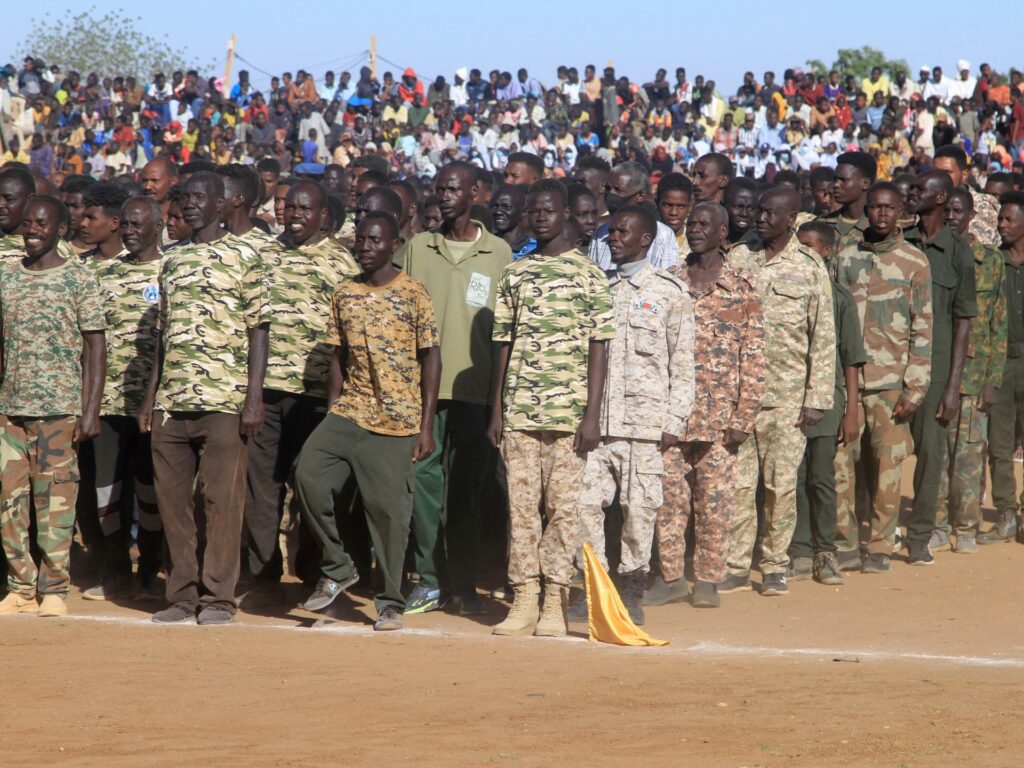
Sudan’s Prime Minister Kamil Idris has put forward a new peace initiative aimed at resolving the ongoing conflict involving the Rapid Support Forces (RSF). The proposed plan calls for the RSF, a powerful paramilitary group, to withdraw from contested areas to pave the way for peace and stability in the country.
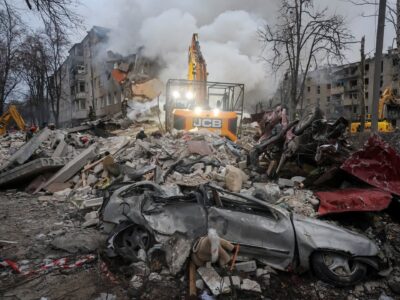
This move by Prime Minister Idris comes in response to escalating violence that has destabilized Sudan’s political and social fabric. The initiative reflects the government’s attempt to reassert control and restore normalcy through dialogue and cooperation.
However, the RSF has firmly rejected the peace proposal, refusing to comply with the call for withdrawal. The paramilitary group views the plan as unfavorable to its interests and has expressed its unwillingness to disarm or retreat at this time. This rejection poses a significant setback for efforts to de-escalate tensions and highlights the complexities involved in achieving peace.
The Sudanese government has emphasized the importance of unity and national cohesion, urging all factions to come together for the country’s future. Despite the RSF’s denial, the government remains committed to peaceful negotiations and exploring all possible avenues to end hostilities.
International observers and mediators continue to watch the situation closely, with many calling on both sides to engage in constructive dialogue. The conflict has drawn concern from regional and global actors who fear prolonged instability could have far-reaching consequences.
In summary, Sudan’s Prime Minister Kamil Idris has introduced a peace initiative centered on the RSF’s withdrawal to restore peace. While the government is hopeful for acceptance and progress, the RSF’s rejection underscores the challenges ahead in Sudan’s quest for lasting peace and stability.