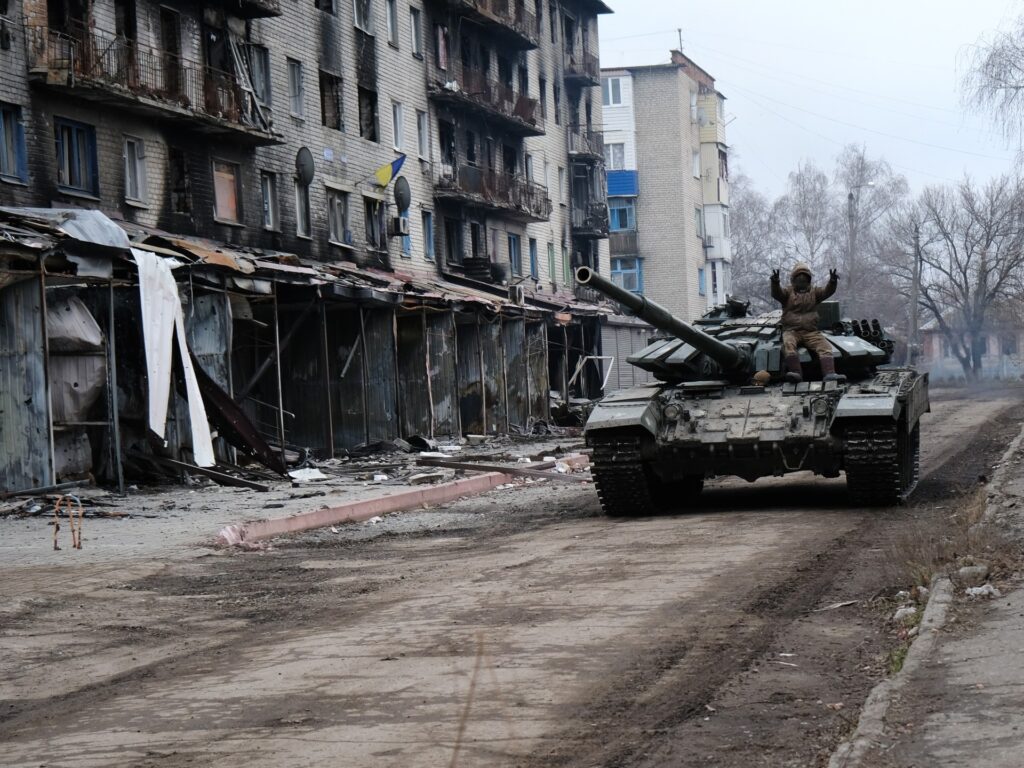
In a significant development in the ongoing conflict in Eastern Ukraine, Russian forces have seized control of the embattled town of Siversk. This strategic town in the Donetsk region fell to Russian control following the withdrawal of Ukrainian troops, marking another critical moment in the contested battles for territory in the area.
Siversk, a town that has seen intense fighting over the past months, held considerable military and symbolic importance for both sides in the conflict. The Ukrainian forces, facing mounting pressure and tactical challenges, reportedly decided to withdraw to avoid further casualties and regroup for future operations.
The fall of Siversk coincides with efforts by Russia and the United States to propose a ‘demilitarised’ and ‘free economic zone’ in Ukraine’s eastern Donetsk region. This proposal aims to reduce hostilities and create a buffer area where economic activities can continue without the direct threat of military action.
The concept of a demilitarised zone has been floated before in various conflict negotiations, suggesting areas free from armed forces and military infrastructure. In this context, it reflects an attempt by global powers to stabilize the region amid ongoing clashes.
The ‘free economic zone’ aspect of the proposal is designed to foster economic recovery and development in the war-torn Donetsk region, facilitating trade and livelihoods for the local population. However, the viability and acceptance of such a plan remain uncertain, given the complex political and military landscape.
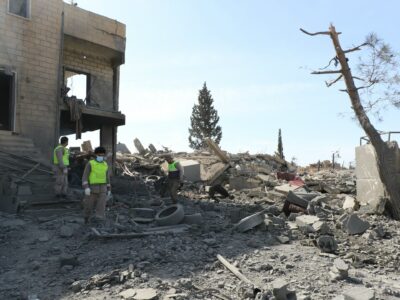
Local residents of Siversk have experienced significant hardships throughout the conflict, including damage to infrastructure, displacement, and disruption of daily life. The town’s capture by Russian forces raises concerns about the security and well-being of civilians in the area.
International observers have expressed cautious reactions to the latest developments. While some see the Russian advance as a setback for Ukrainian sovereignty, others view the proposed economic and demilitarised zone as a potential step towards de-escalation.
The Ukrainian government has yet to issue a detailed response regarding the loss of Siversk and the international proposals. However, officials have emphasized their commitment to defending Ukraine’s territorial integrity and continuing efforts to regain lost areas.
The situation in Eastern Ukraine remains fluid, with both sides engaged in ongoing military and diplomatic maneuvers. The seizure of Siversk by Russian forces may alter tactical dynamics on the ground, potentially influencing the broader conflict’s trajectory.
Foreign governments and international organizations are closely monitoring developments, assessing the impact on regional stability and international security.
In summary, the capture of Siversk by Russian forces amid ongoing hostilities and the simultaneous proposal for a demilitarised, free economic zone in Donetsk highlight the complex and evolving nature of the conflict in Eastern Ukraine. The coming weeks will be critical in determining whether these events lead to escalation or present opportunities for dialogue and resolution.