Iran has firmly rejected demands for inspections of its nuclear sites that were recently targeted by US strikes, insisting that any such inspections must occur strictly within the established framework of the International Atomic Energy Agency (IAEA). The Iranian government underlines that the UN nuclear watchdog must first outline and define the so-called “post-war conditions” before proceeding with any investigative activities related to the attacks.
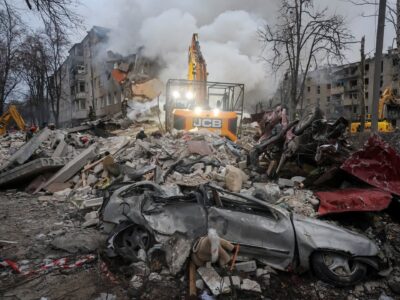
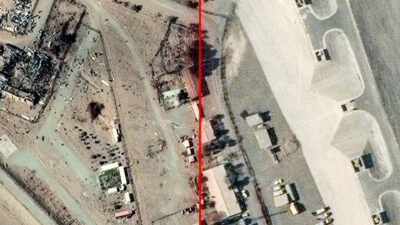
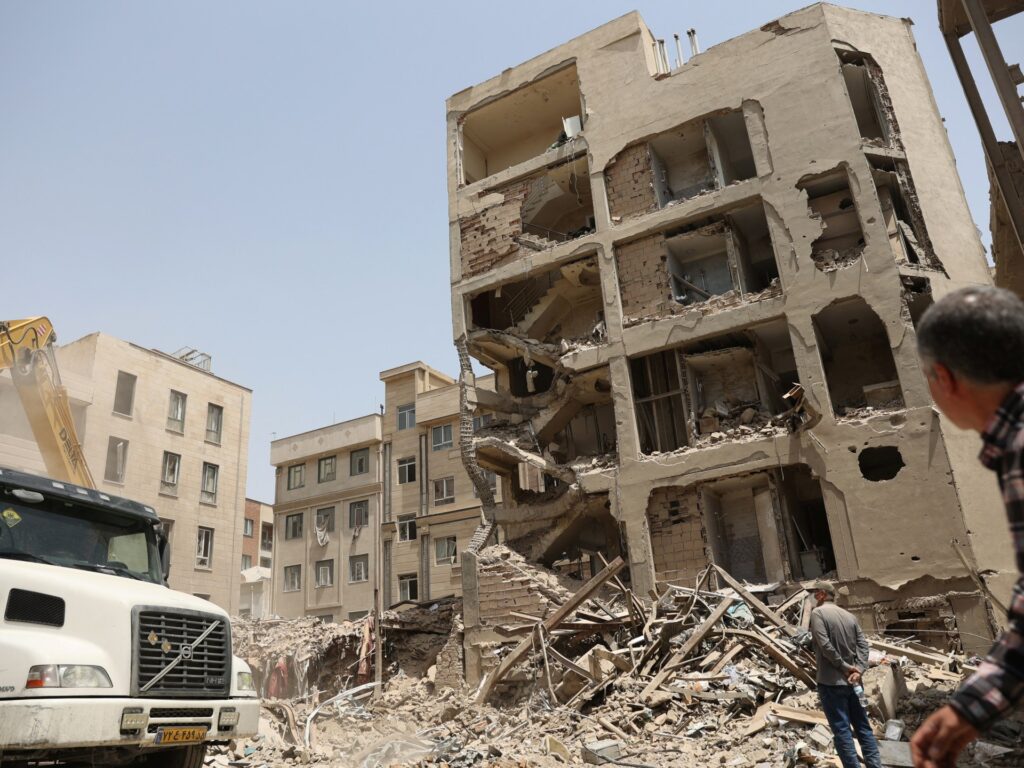
The recent US airstrikes targeted several key nuclear facilities in Iran, raising global concerns about the escalation of tensions and the future of Iran’s nuclear program. In response, the IAEA and other international parties have called for prompt inspections to assess the damage and ensure safety and compliance with international nuclear standards.
However, Iran’s rejection is based on the premise that any inspection outside the established IAEA protocols would be unacceptable and violate Iran’s sovereignty. Officials argue that the IAEA must clarify the conditions under which inspections would be considered legitimate after the attacks.
The situation has added a new layer of complexity to the ongoing geopolitical tensions involving Iran and the United States. While the international community continues to push for transparency and peaceful resolution, Iran remains steadfast in its position that nuclear oversight should adhere to pre-agreed international norms rather than be dictated by post-conflict circumstances.
The concept of “post-war conditions” refers to a context that would exist if there were formal hostilities or a recognized state of war, which Iran contends has not been established. Until such definitions are agreed upon, Tehran maintains that no inspections should occur.
Experts note that this stance could potentially stall the IAEA’s technical mission and complicate diplomatic efforts to resolve issues related to Iran’s nuclear activities. The IAEA’s mandate is to verify that nuclear materials are used for peaceful purposes and to ensure that nuclear safety standards are met.
Following these events, Iran continues to demand respect for its rights within the framework of international agreements, emphasizing the importance of mutually agreed terms for any nuclear inspections. The country’s position also reflects deep mistrust toward unilateral actions taken by foreign governments, particularly the US.
International reactions have been mixed. Several Western nations expressed concern over Iran’s refusal to cooperate immediately but acknowledged the need for diplomacy to navigate this sensitive issue. Conversely, some countries highlighted Iran’s demand for a clear framework as a reasonable call for transparency and order in the inspection process.
This rejection highlights the fragile nature of nuclear diplomacy in the region. The IAEA has reiterated its commitment to impartial monitoring and safeguarding nuclear materials but must now negotiate the terms under which inspections can resume. There is broad consensus that any escalation could destabilize the already volatile Middle East region.
Moving forward, diplomatic channels are expected to be active as stakeholders attempt to bridge differences and define acceptable terms for inspections without compromising Iran’s sovereignty or the safety of its nuclear infrastructure.
Overall, Iran’s rejection of inspection demands without the IAEA framework underscores the intricate balance between national sovereignty and international oversight in nuclear governance. The resolution of this issue will be critical not only for the safety and security of the region but also for the legitimacy and future role of the IAEA in conflict zones.