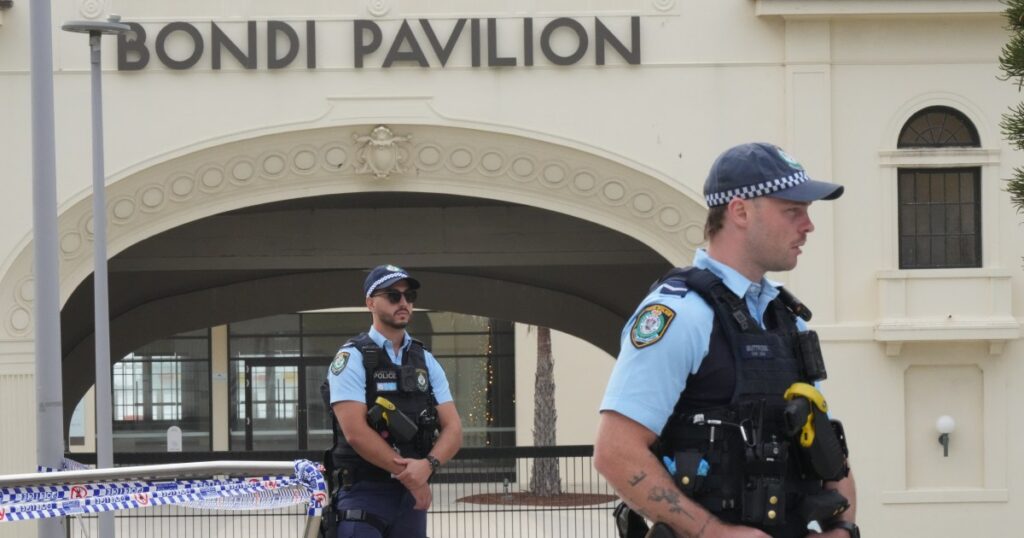
The New South Wales (NSW) Parliament in Australia has passed stringent new anti-protest and gun control laws in the wake of a devastating attack at Bondi Beach. These laws, which have sparked significant controversy, aim to enhance public safety but are criticized as being rushed and potentially infringing on constitutional rights.
The impetus for the legal changes was a recent violent incident in Bondi that heightened concerns about security and the need to regulate public demonstrations more tightly. The NSW government insists that the measures are necessary to prevent disorder and ensure the safety of residents and visitors alike.
Key components of the new legislation include stricter restrictions on protests, including limitations on where and how demonstrations can occur, and enhanced police powers to control and disperse crowds. The laws also introduce tougher gun control measures aimed at curbing illegal firearms and preventing gun violence.
However, these developments have not been without opposition. Palestinian, Jewish, and Indigenous organizations have voiced strong criticism of the laws, claiming that their enactment was rushed without adequate consultation or consideration of civil liberties. These groups have announced plans to launch a constitutional challenge, arguing that the new regulations violate freedoms of speech and assembly guaranteed under the Australian constitution.
The challenge highlights broader societal tensions surrounding the balance between security and civil rights. Activists argue that while public safety is crucial, it should not come at the expense of democratic freedoms and the right to peaceful protest.
Experts have weighed in on the debate, noting that while governments have a duty to protect citizens, laws that are perceived as overly punitive or rushed can undermine public trust and may ultimately be counterproductive.
The NSW government’s response emphasizes the importance of swift action in the aftermath of the Bondi attack, stating that the new laws are carefully designed to target unlawful behavior without suppressing legitimate protest activities.
Despite the controversy, the legislation has been passed and now awaits judicial review following the planned constitutional challenge. The situation continues to be closely watched by legal analysts, human rights organizations, and the wider Australian public.
This development in NSW reflects ongoing global discussions about the appropriate limits on protests, the role of law enforcement, and the regulation of firearms. As the constitutional challenge proceeds, it will set critical precedents for future governance of public demonstrations and gun control in Australia.
The coming months are expected to see intense legal and public debates as stakeholders from all sides seek to influence the outcome. The case will also serve as a benchmark for other states considering similar legislative responses to security concerns.
In summary, NSW’s recent passage of tough anti-protest and gun laws amid heightened security fears ignited by the Bondi attack has prompted a constitutional challenge spearheaded by Palestinian, Jewish, and Indigenous groups. The outcome of this challenge will be pivotal in shaping Australia’s legal landscape around protest rights and public safety.