The Arab League has expressed its support for a peace plan proposed by the Sudanese government, which was presented at the United Nations in a bid to bring an end to the ongoing conflict in Sudan. This plan aims to restore stability and peace in the country by addressing the root causes of the fighting and promoting dialogue among conflicting parties.
The Sudanese government’s initiative outlines a comprehensive framework focusing on the withdrawal of paramilitary forces, cessation of hostilities, and establishment of a political process to ensure peaceful governance. It has garnered positive reception from international organizations and neighboring countries that have long been concerned about the humanitarian and security implications of the Sudan conflict.
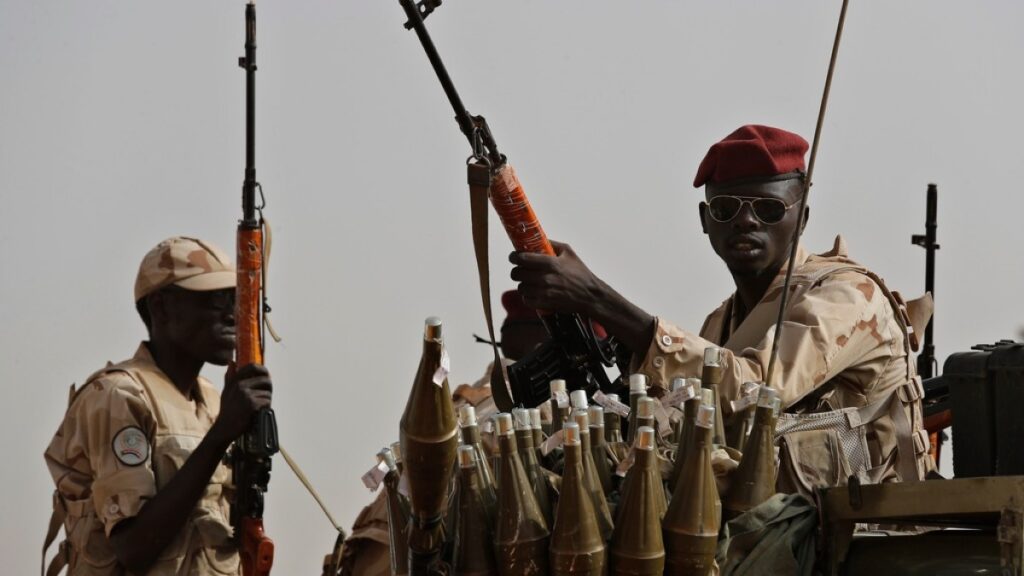
However, the paramilitary Rapid Support Forces (RSF), a key actor in the conflict, have outright rejected the government’s peace proposal. The RSF criticized the plan particularly for its calls for their withdrawal, describing such proposals as “closer to fantasy than to politics.” They argue that the suggested conditions are impractical and overlook their strategic interests and role in Sudan’s political landscape.
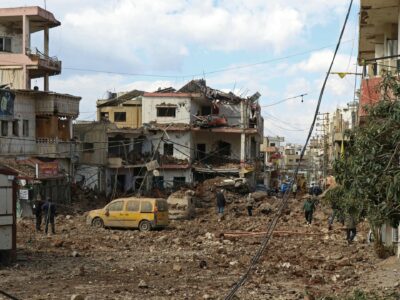
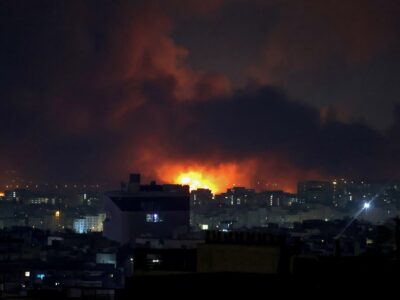
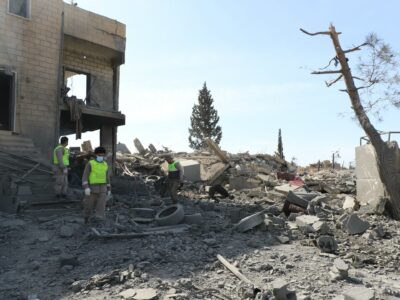
This rejection complicates the path to peace, as the RSF controls significant military power and territory in Sudan, making their cooperation essential for any meaningful resolution. The ongoing clashes between the Sudanese armed forces and the RSF have resulted in widespread displacement, civilian casualties, and a deteriorating humanitarian crisis, drawing urgent calls for a ceasefire from the international community.
The Arab League’s endorsement of the Sudanese government’s peace plan underscores the regional bloc’s commitment to supporting peace and stability in Sudan, emphasizing diplomatic engagement and multilateral cooperation. The League reiterated its call for all parties to prioritize dialogue over conflict and to accept initiatives that foster national unity and democratic governance.
In response to the conflict and the differing positions on the peace proposals, the United Nations continues to engage with all stakeholders to facilitate negotiations. The UN Secretary-General has called for restraint and urged all armed groups to respect international humanitarian law, highlighting the severe impact of the fighting on civilians.
As the conflict persists, the future of Sudan remains uncertain. The success of the peace plan largely depends on finding common ground between the government and the RSF, as well as gaining support from influential regional and international actors. Without cooperation from all parties, the risk of prolonged violence and further destabilization remains high.
Analysts suggest that renewed dialogue, possibly mediated by the Arab League, the UN, or other international partners, could be pivotal in reinvigorating the peace process. The possibility of modifying the current proposals to address RSF’s concerns and increasing international pressure might create a conducive environment for negotiations.
The international community continues to monitor the situation closely, providing humanitarian aid and calling for an end to violence to enable the delivery of essential services to the affected populations. The coming weeks are critical as diplomatic efforts intensify to turn the peace plan into a viable solution for Sudan’s enduring conflict.