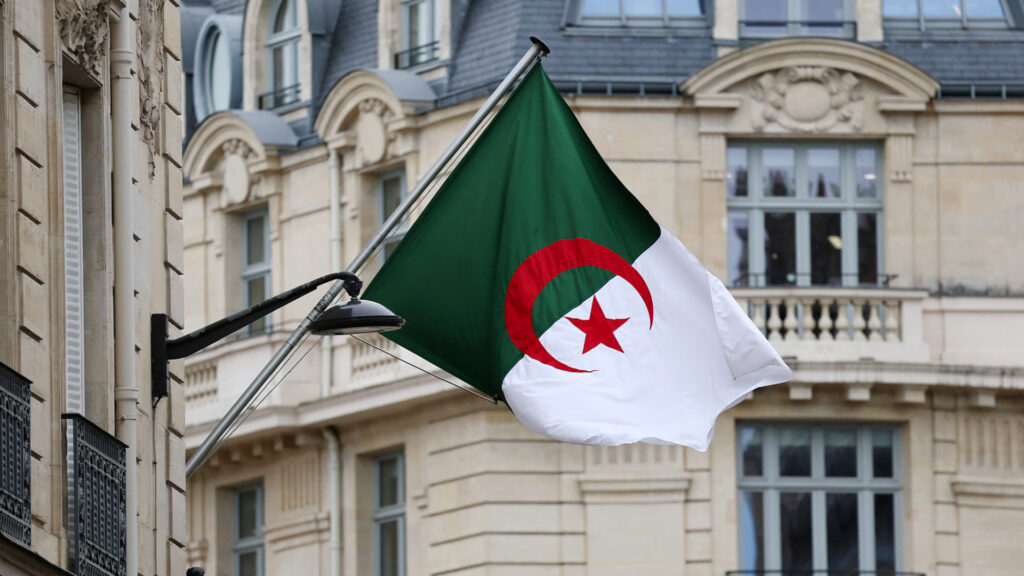
Algeria’s parliament has initiated debates on a controversial draft law aimed at criminalising the entire period of French colonial rule, which lasted from 1830 to 1962. This legislative move represents a significant step by Algeria in confronting its colonial past and reasserting the historical narrative surrounding one of the longest colonial occupations in modern history.
The proposed law seeks to legally denounce the era of French dominion as not only oppressive but criminal, reflecting the deep scars left by over 130 years of colonial rule. The Algerian government and many citizens hold that the colonial period was marked by severe abuses, exploitation, and repression that continue to impact the country socially, economically, and politically.
French colonialism in Algeria began with the invasion in 1830 and entrenched a complex system of control that vastly reshaped Algeria’s political, cultural, and social landscape. The colonial regime implemented policies that marginalized native Algerians, dispossessed them of their land, and suppressed local customs, languages, and institutions.
The struggle for independence was long and brutal, culminating in the Algerian War of Independence from 1954 to 1962, a conflict noted for widespread violence and human rights violations on both sides. Algeria finally gained sovereignty in 1962, marking the end of one of the most fierce decolonization battles in the 20th century.
The current legislative proposal comes amid ongoing debates about how Algeria should remember and seek justice for its colonial past. Supporters of the bill argue that criminalising the colonial period is necessary to officially recognize the injustices and hold accountable those responsible for them historically. They believe this will also reinforce national identity and honor the sacrifices made by Algerian freedom fighters.
Critics, however, warn that such a law could heighten diplomatic tensions between Algeria and France, potentially affecting bilateral relations spanning economic, cultural, and security cooperation. There are concerns about the practical implications of legislating historical interpretations and the risk of politicizing history for nationalist purposes.
French officials have previously expressed discomfort with what they perceive as an overly negative portrayal of their colonial era. France maintains a complex relationship with its colonial history, balancing acknowledgment of past wrongs with recognition of historical ties.
The Algerian draft law is seen by many analysts as part of a wider trend of post-colonial nations revisiting and legislating memory laws to confront colonial legacies. Other countries have explored similar measures to codify historical interpretations and seek reparative justice.
As debates continue in Algeria’s parliament, the law’s passage is likely to provoke strong reactions both domestically and internationally. It underscores the enduring legacy of colonialism in shaping modern identities and the ongoing struggle to reconcile history with present-day realities.
In conclusion, Algeria’s draft legislation to criminalize the French colonial era is a bold statement of historical reckoning. It highlights the importance of confronting colonial pasts in the pursuit of justice and national healing while navigating the complex terrain of international diplomacy and memory politics.