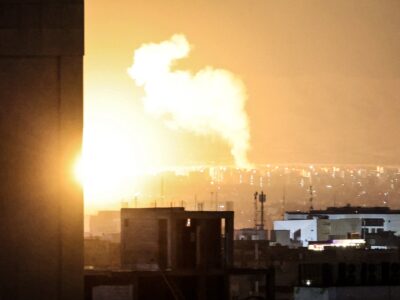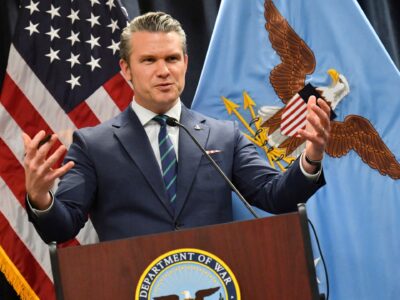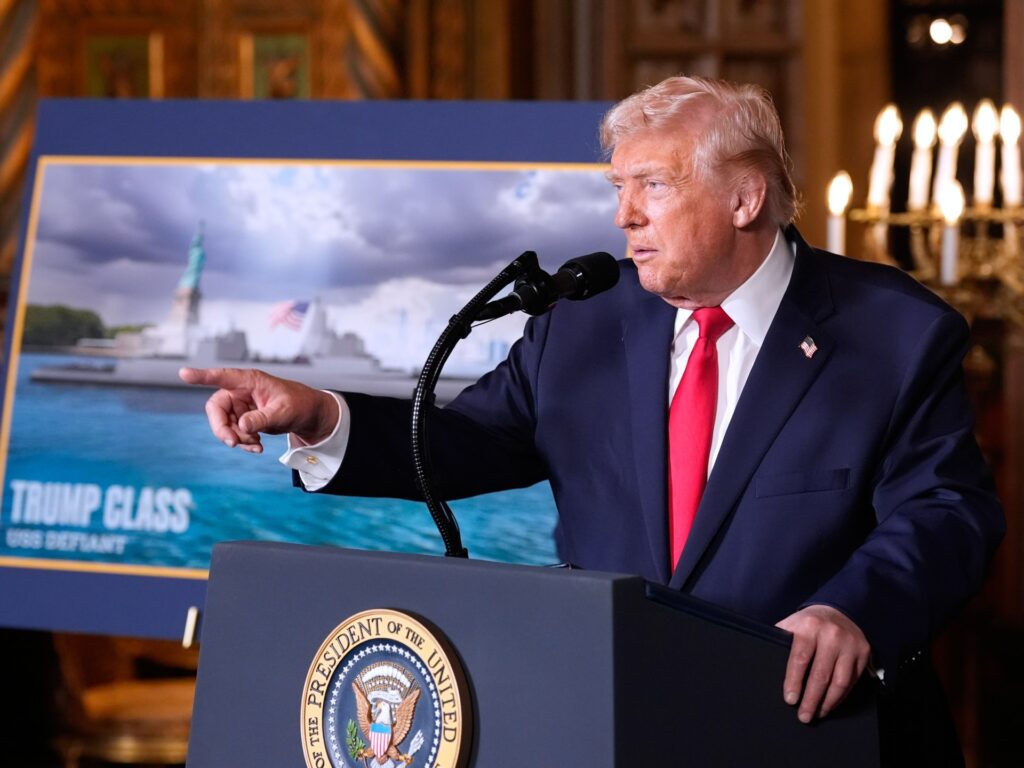
In a recent escalation of tensions, former U.S. President Donald Trump has issued a stern warning to Venezuelan President Nicolás Maduro, cautioning him against ‘playing tough’ amid ongoing political and economic turmoil in Venezuela. This warning comes at a time when Venezuela is receiving notable backing from global powers such as Russia and China.
The geopolitical dynamics surrounding Venezuela have intensified as Russia and China step up their support for Maduro’s government. Moscow and Beijing have provided economic assistance and diplomatic backing, reinforcing Venezuela’s position against pressure from the United States and its allies. This support has been interpreted as a challenge to U.S. influence in the region, especially given Venezuela’s vast oil reserves.
One of the key flashpoints in this confrontation is the continued pursuit by the U.S. Coast Guard of a third oil tanker off Venezuela’s coastline. The tanker, suspected of attempting to circumvent U.S. sanctions by transporting Venezuelan oil, has become a symbol of the ongoing struggle to enforce economic measures meant to destabilize Maduro’s regime.
The enforcement of these sanctions has been a cornerstone of the U.S. strategy to pressure Venezuela into political concessions. The U.S. views Maduro’s administration as illegitimate and has supported opposition leader Juan Guaidó as the rightful interim president. However, the backing from Russia and China complicates efforts by the U.S. to isolate Maduro on the international stage.
Trump’s warning underscores the high stakes involved. He urged Maduro not to ‘play tough’, implying that further defiance would provoke stronger U.S. responses. His comments reflect a broader strategy to maintain U.S. dominance in Latin America and curb the influence of rival powers.
The situation remains delicate, with potential repercussions for regional stability. Venezuela’s economy has been in freefall for years, leading to widespread hardship and a refugee crisis affecting neighboring countries. The interplay of global powers further intensifies an already volatile scenario.
Analysts suggest that while Russia and China seek to protect their investments and strategic interests in Venezuela, the U.S. aims to counterbalance their influence by applying economic and diplomatic pressure.
The pursuit of the oil tanker by the U.S. Coast Guard is emblematic of the broader contest over Venezuela’s resources and political future. It highlights the complexity of enforcing sanctions in international waters and the challenges posed by countries willing to defy U.S. policies.
As the standoff continues, the international community watches closely. The outcome will likely have significant implications for U.S.-Venezuela relations, regional geopolitics, and the global balance of power.
In summary, Trump’s warning to Maduro is a stark reminder of the fierce international competition playing out over Venezuela. With Russia and China backing Maduro, and the U.S. maintaining a tough stance, the country remains caught in the crossfire of global geopolitical rivalries.