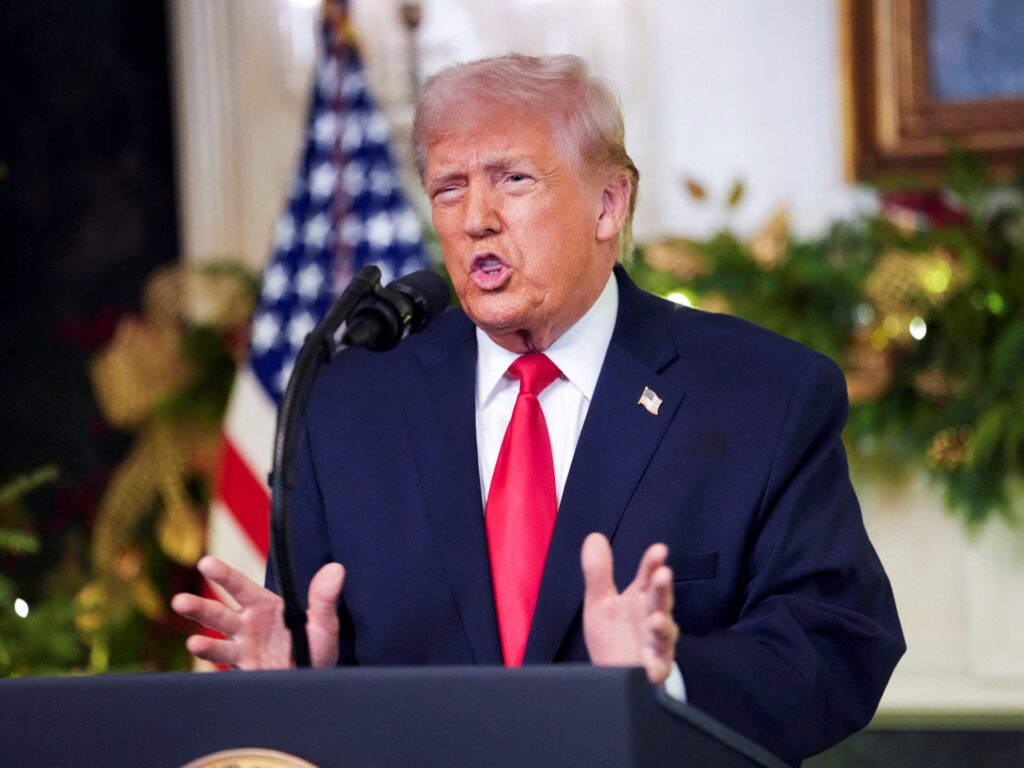
In a controversial move reflecting his administration’s ‘America First’ foreign policy, former President Donald Trump has reportedly ordered the recall of dozens of career diplomats. According to the American Foreign Service Association (AFSA), multiple ambassadors across various embassies worldwide have been instructed to return to the United States by mid-January, with no official reasons provided for these recalls.
This unprecedented action signals a significant shift in the traditional diplomatic approach and raises concerns among foreign service professionals and international observers. The recalled diplomats, many of whom have served abroad for years, are being brought back abruptly, disrupting ongoing diplomatic efforts and potentially weakening U.S. presence on the global stage.
The decision aligns with Trump’s broader agenda of prioritizing American interests above multilateral cooperation, emphasizing national sovereignty and skepticism towards established international alliances. Critics argue that sidelining experienced diplomats undermines the United States’ ability to effectively engage with other countries and manage complex foreign relations.
Members of the American Foreign Service Association have voiced their apprehension over the lack of communication and transparency surrounding these recalls. The AFSA, which represents U.S. foreign service employees, has expressed concern about the operational impact this move may have on embassy functions, as well as the morale of personnel.
This development may also signal a shift in diplomatic strategy towards more politically appointed ambassadors and less reliance on career diplomats who bring institutional knowledge and expertise. Such a change could influence the manner in which the U.S. negotiates treaties, manages conflicts, and supports its interests abroad.
As the mid-January deadline approaches, the global diplomatic community is watching closely to assess the broader implications of these recalls. The future effectiveness of U.S. diplomacy will likely depend on how the administration balances its ‘America First’ rhetoric with the realities of international engagement.
The move has sparked discussions about the role of career diplomats in shaping foreign policy and the importance of maintaining a stable and professional diplomatic corps amid political transitions. Analysts warn that while the intention may be to reassert American control, hastily pulling diplomats without clear justification risks destabilizing long-standing international relationships.
The unfolding situation underscores the ongoing tension between political priorities and the expertise required to navigate complex global issues. It remains to be seen how this policy will affect the United States’ influence abroad and the ability of its diplomatic network to respond to emerging challenges.