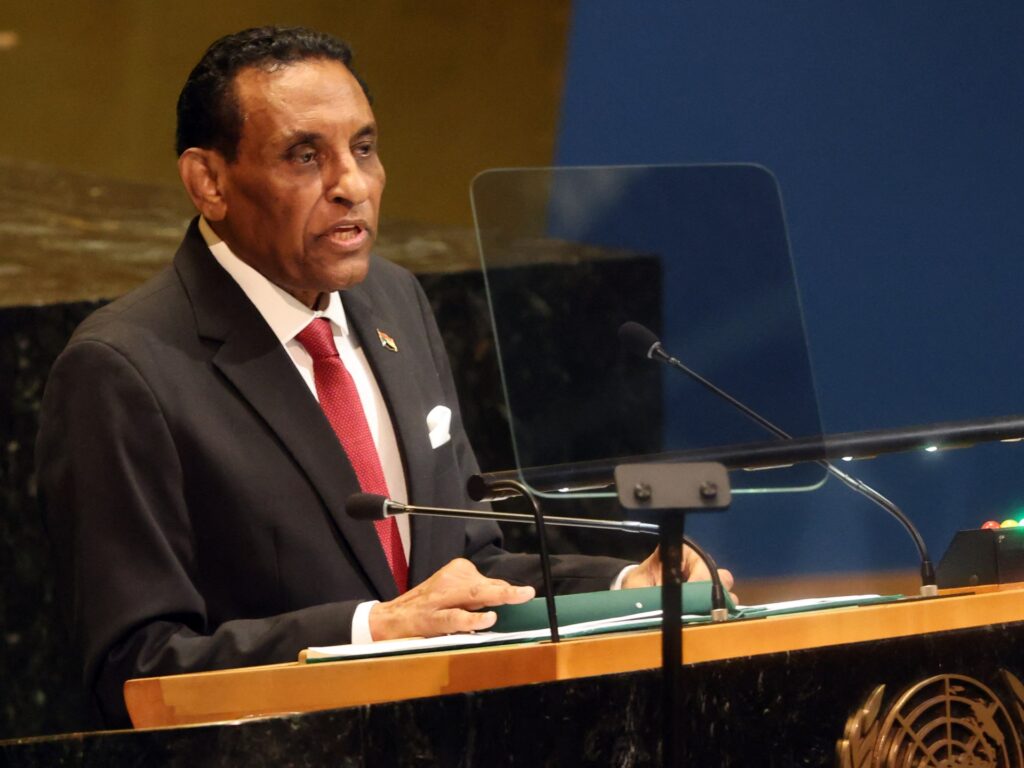
Sudan’s Prime Minister, Kamil Idris, has submitted a comprehensive peace plan to the United Nations Security Council (UNSC) aiming to bring an end to the ongoing conflict in the country. The transitional government, under his leadership, proposes that the Rapid Support Forces (RSF) relinquish control of captured territories and surrender their weapons as fundamental steps toward ceasing hostilities.
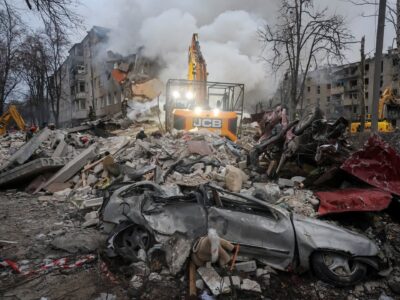
The conflict in Sudan has caused significant casualties and displacement, destabilizing the region and drawing international concern. PM Idris’s peace initiative underscores the urgent need for disarmament, territorial restoration, and dialogue to restore peace and stability.
According to the proposal, the RSF, which has been a major combatant in the conflict, would be required to withdraw from occupied areas that are currently the scene of intense fighting. This withdrawal aims to reduce violence and create a safer environment for civilians.
Disarming the RSF is a critical component of the peace plan, as the accumulation of weapons by various factions has perpetuated cycles of violence. The government insists that the voluntary surrender of these arms will demonstrate a commitment to peace and facilitate monitoring and enforcement of ceasefire agreements.
The transitional government has called on all Sudanese parties involved in the conflict to engage in unconditional dialogue and collaborate on national reconciliation efforts. The proposal also recommends the involvement of regional bodies and international partners to support peacekeeping and reconstruction efforts.
The UNSC’s reception of this peace plan marks a pivotal moment, implicating increased diplomatic engagement and potential international support. The Council is expected to deliberate on resolutions that could authorize peacekeeping missions or sanctions designed to enforce the cessation of hostilities.
Challenges remain, however, due to mistrust among factions and the complexity of Sudan’s political landscape. The success of the peace plan hinges on the genuine commitment of all parties to pursue peace rather than continued conflict.
PM Idris has expressed hope that the international community will back the peace plan and provide the necessary support to stabilize Sudan. This includes humanitarian aid to address the urgent needs of displaced persons and damaged infrastructure resulting from the warfare.
If successfully implemented, this peace plan could mark a turning point for Sudan, bringing an end to years of strife and paving the way for reconstruction, economic recovery, and societal reconciliation.
The Sudanese populace and global observers remain cautiously optimistic as the UNSC evaluates the proposed measures. The coming weeks will be critical in shaping Sudan’s journey towards peace and stability, with the hope that armed conflict will be replaced by diplomacy and collaborative nation-building.