The Darfur region in Sudan is currently facing a severe measles outbreak, compounding the already dire situation caused by ongoing violence. According to an official from Médecins Sans Frontières (MSF), the hospital in South Darfur is overwhelmed by the rapid increase in measles cases.
This outbreak has struck a population already vulnerable due to continued conflict and displacement. Medical facilities are struggling to cope with the surge, as resources remain limited and access to healthcare is severely restricted.
Measles, a highly contagious viral disease, can cause serious complications, especially in children, including pneumonia, encephalitis, and death. The outbreak in Darfur is particularly alarming because of the challenging conditions faced by residents, including malnutrition and poor sanitation, which exacerbate the risk and severity of the disease.
MSF officials have reported that the number of measles cases in South Darfur hospitals has increased dramatically, overwhelming healthcare capacities. The situation has been worsened by the limited availability of vaccines and medical supplies needed to contain the spread.
Humanitarian organizations are calling for urgent international support to provide vaccinations, medical equipment, and personnel to help manage the outbreak. The ongoing conflict adds barriers to these efforts, making it difficult to deliver aid safely and effectively.
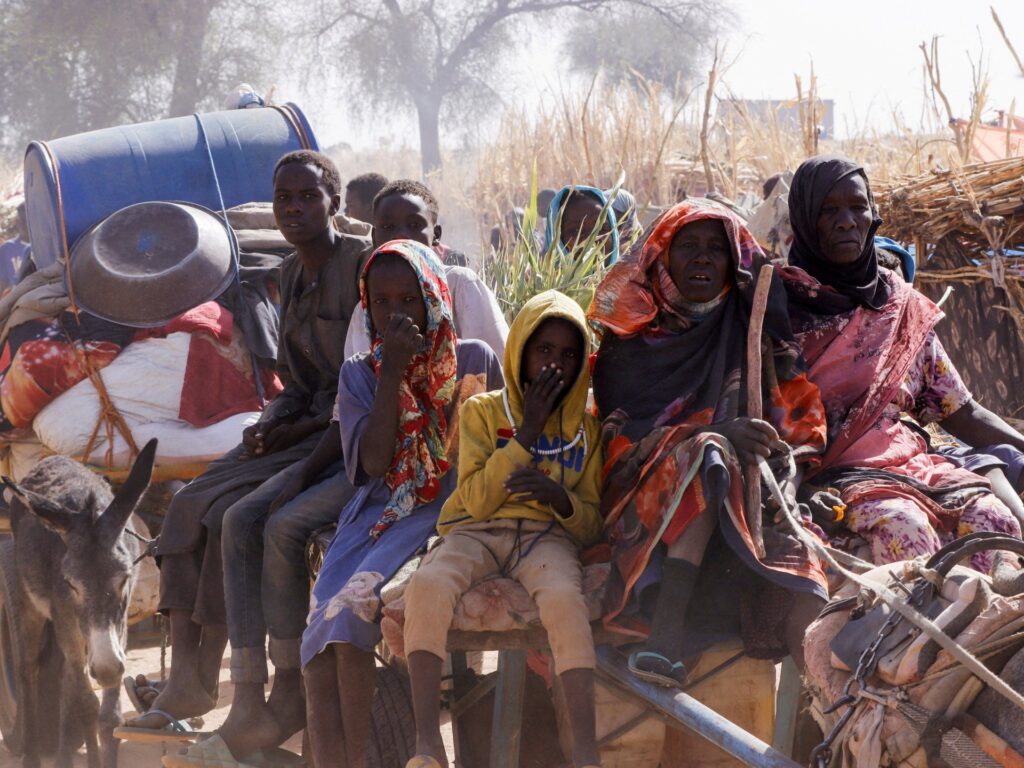
Many residents have been displaced multiple times due to violence, living in overcrowded conditions where contagious diseases like measles can spread rapidly. Vaccination campaigns, which are crucial for controlling measles, have been disrupted due to insecurity and logistical challenges.
The international community is being urged to increase attention and funding to address this public health emergency alongside the continuing humanitarian crisis caused by violence in Darfur. Preventing the spread of measles and treating those affected requires a coordinated response focusing on both immediate healthcare needs and the restoration of stable conditions for displaced populations.
The situation in Darfur highlights the deadly intersection of conflict and disease outbreaks, where ongoing violence exacerbates public health crises and hinders efforts to save lives. Addressing these challenges requires a concerted effort from local authorities, humanitarian agencies, and international partners to ensure that health services can reach those in need.
As the measles outbreak continues to escalate, the priority remains to stabilize the healthcare system in Darfur, expand vaccination coverage, and protect the vulnerable populations most at risk. Without increased support, the region faces the risk of a larger epidemic with even more devastating consequences for its residents.
The story of Darfur’s struggle is a stark reminder of the interconnectedness of security, health, and humanitarian well-being. Combating the measles outbreak amid ongoing violence will be critical to prevent further loss of life and to help pave the way toward recovery and resilience in this troubled region.