Tensions have escalated in the Democratic Republic of Congo (DRC) as the M23 rebel group continued its offensive, undermining recent peace efforts. Despite agreements brokered by the United States and Qatar aimed at ending the conflict this year, M23 advanced towards the strategic city of Uvira, dashing hopes for a swift resolution.
The M23 movement, a predominantly Tutsi rebel group, has been a significant source of instability in eastern Congo, a region already fraught with ethnic tensions and longstanding humanitarian crises. The renewed fighting disrupts a fragile peace process and exacerbates fears of a wider regional conflict.
The recent peace deal, hailed internationally as a potential turning point, was expected to halt hostilities and initiate a disarmament process for rebel factions. However, M23’s aggressive push signals a blatant disregard for these diplomatic efforts and has prompted concerns about the insurgency’s long-term intentions.
Uvira, a vital city near the borders of Burundi and Tanzania, holds strategic value due to its position as a transportation hub and gateway for trade. Its capture could provide M23 with significant leverage in ongoing negotiations and bolster their military capabilities.
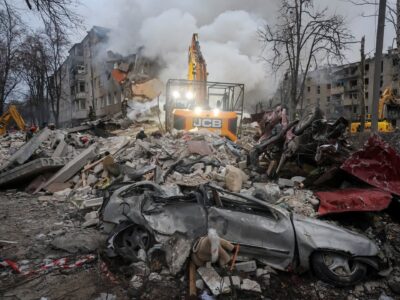
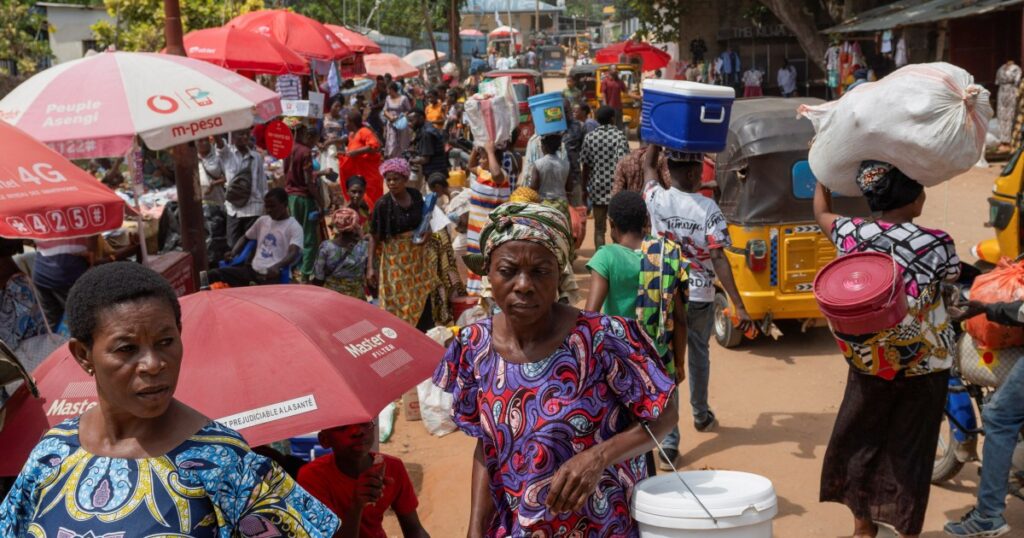
Local populations continue to suffer immensely from the persistent violence, with thousands displaced and access to essential services severely compromised. Human rights organizations have condemned the fighting, calling for immediate cessation of hostilities and intensified international support for peacekeeping forces.
Experts warn that the persistence of armed groups like M23 may further destabilize the Great Lakes region, with potential spillover effects into neighboring countries. The international community is urged to reinforce diplomatic pressure and bolster support for sustainable peace initiatives.
Meanwhile, diplomatic efforts have intensified, with the United Nations and African Union engaging in urgent dialogues to address the crisis. Calls for inclusive political solutions that address underlying grievances and promote reconciliation are gaining momentum.
Despite the gloom surrounding current developments, some analysts emphasize the importance of continued engagement and the reinforcement of peace institutions in the DRC. Without a concerted international response, the cycle of violence could perpetuate, undermining regional security and development.
In summary, the ongoing clashes by M23 in the Democratic Republic of Congo despite recent peace agreements highlight the fragile nature of the peace process and the complex challenges facing the region. The situation demands vigilant monitoring, robust diplomatic intervention, and comprehensive strategies to ensure lasting peace and stability.