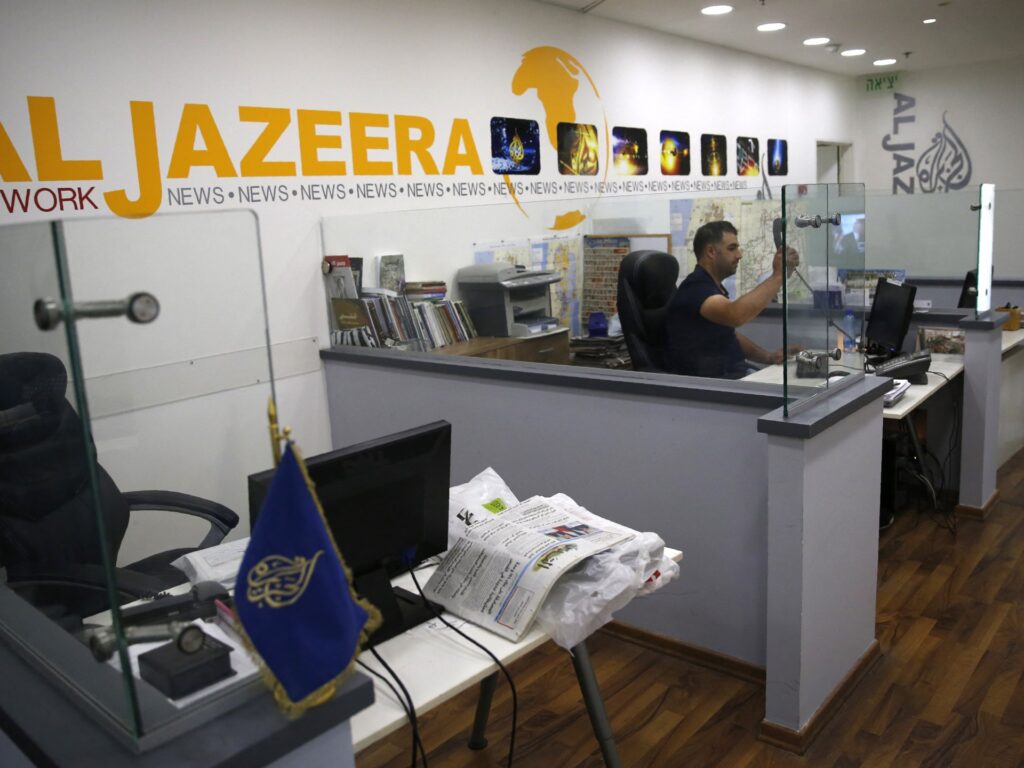
The Israeli parliament has taken a significant step by voting to extend the law that bans Al Jazeera, a prominent foreign media outlet, for an additional two years until 2027. This legislation permits the government to shut down foreign media outlets it deems harmful or a threat to national security.
The initial ban on Al Jazeera was implemented amid concerns over the channel’s coverage of Israel and its conflict with Palestinian territories. Critics argue that the media outlet has portrayed Israel in a negative light, potentially inciting unrest and violence.
Supporters of the law believe that extending this ban is crucial for maintaining Israel’s security and controlling foreign narratives that might destabilize the region. Opponents, however, view the move as a suppression of press freedom and a dangerous precedent for how media organizations are treated.
This extension means Al Jazeera will remain barred from operating within Israel’s borders through 2027. The law allows the government to revoke the licenses of foreign broadcasters and impose sanctions against those who violate its terms.
The decision has raised concerns among international press freedom advocates and human rights organizations, who warn that such bans can hinder the free flow of information and limit diverse perspectives on the ongoing Israeli-Palestinian conflict.
Israel has justified the ban by citing the need to protect its national security interests and to prevent media outlets from spreading what it terms as propaganda or incitement to violence.
The extension follows a global trend of governments imposing restrictions on foreign media under the guise of security but often at the expense of press freedoms. This move by Israel marks a continuation of its stringent media policies, especially concerning coverage related to its conflicts.
Observers note that the ban on Al Jazeera has affected the public’s access to news from the Palestinian viewpoint, as the channel is widely known for its in-depth reporting on Middle Eastern affairs.
The Israeli government’s decision reflects the complexity of balancing national security concerns with the fundamental right to freedom of the press. As the ban remains in place, debates around media control and censorship are expected to persist.
Critics argue that such legislative actions contribute to an atmosphere of censorship and undermine democratic ideals. They call for dialogue and policies that promote press freedom while addressing security needs.
Al Jazeera, on its part, has condemned the ban, stating it hinders the channel’s ability to report freely and limits the public’s access to diverse viewpoints.
This development adds another layer of tension to the already complex and sensitive media landscape in the region, where coverage can influence perceptions and diplomatic relations.
As the extension takes effect, it remains to be seen how this will impact the broader media environment in Israel and the surrounding territories, and whether international pressure might lead to future reconsiderations of such laws.