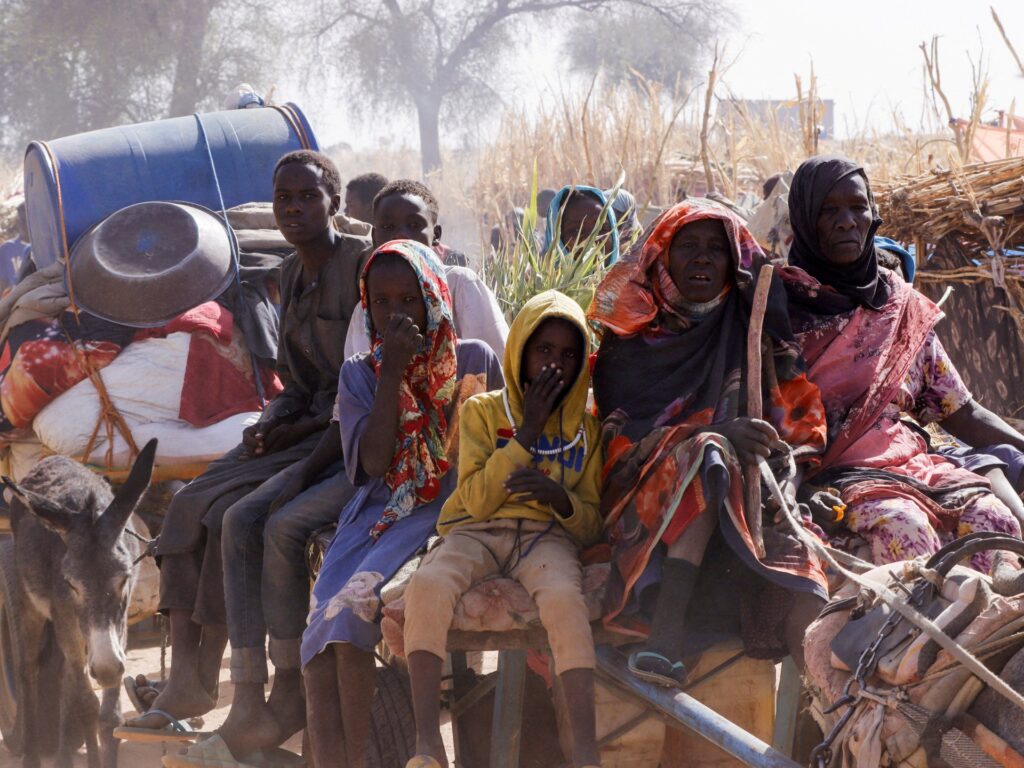
The ongoing conflict in Sudan has led to a massive humanitarian crisis, with thousands of civilians displaced and struggling to find safety. Among the hardest-hit are those escaping fighting in the Heglig area, who face not only the threat of violence but also severe shortages of essential supplies.
Civilians fleeing the war-torn region describe their experiences as harrowing and desperate. Many have lost their homes, possessions, and sources of livelihood, forced to undertake perilous journeys to escape the violence. The lack of food, water, and medical care exacerbates their suffering, leaving them in a state of constant vulnerability.
Reports from displaced persons reveal that aid has been scarce or non-existent in many areas, particularly in remote or conflict-affected zones. Those who reach safer locations often find no shelter or support awaiting them, compounding their plight.
Local humanitarian organizations have called for increased international assistance and protection for these civilians, emphasizing the urgent need for safe corridors to deliver aid and facilitate evacuations. Without immediate action, the situation risks deteriorating further, with countless lives hanging in the balance.
The psychological toll on displaced individuals and families is profound. Many express feelings of hopelessness and despair, compounded by uncertainty about the future. Children, in particular, face disruptions to their education and exposure to trauma.
Efforts by governments and NGOs to coordinate relief and stabilize the region continue amidst challenging security conditions. However, the scale of displacement and logistical barriers make effective response difficult.
This crisis in Sudan underscores the devastating impact of armed conflict on civilian populations and the critical importance of sustained humanitarian engagement. The international community’s response in the coming weeks will be pivotal in alleviating the suffering of those caught in the crossfire.
As the conflict persists, displaced civilians cling to the hope of peace and the restoration of normalcy. Until then, their daily struggle for survival remains a stark reminder of the human cost of war.