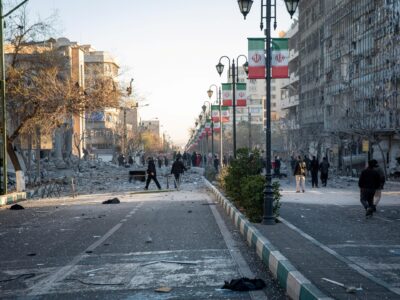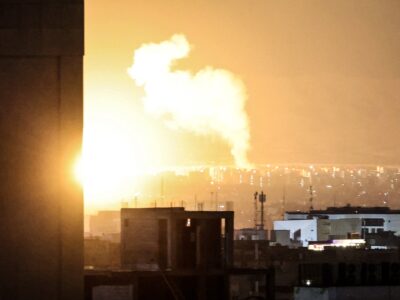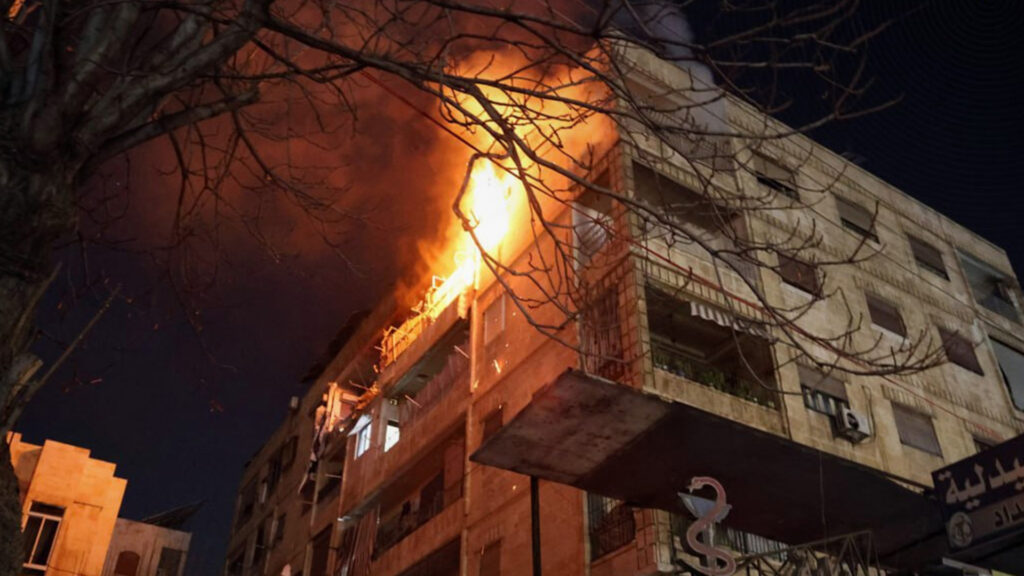
Deadly clashes have erupted in Aleppo, Syria, between the Syrian government forces and the Kurdish-led Syrian Democratic Forces (SDF). At least two people have been confirmed killed in the violent confrontations.
The fighting marks a significant escalation in tensions within the city, which has long been a focal point of conflict involving various factions in the Syrian civil war. Aleppo, once Syria’s largest city and economic hub, has experienced years of brutal battles and shifting control among government forces, rebel groups, and Kurdish factions.
The Syrian army, backed by government loyalists and allied militias, has sought to consolidate state control over Aleppo. Meanwhile, the Kurdish-led SDF, an alliance of Kurdish and Arab militias supported by the United States and other international actors, has established a strong presence in parts of northern and eastern Syria, including sections of Aleppo province.
The recent clashes reportedly began when Syrian government forces attempted to assert control over territories contested with the SDF. The fighting involved heavy exchanges of gunfire, with both sides suffering casualties.
Sources indicate that at least two fatalities have occurred so far, with several others wounded. The violence has raised concerns about further destabilization in an already fragile region.
This outbreak of violence underscores the persistent challenges in achieving a lasting peace settlement in Syria. Despite numerous ceasefires and peace talks facilitated by international agencies, the complex web of alliances and rivalries among government, Kurdish groups, rebel factions, and foreign powers continues to drive sporadic conflict.
The Kurdish-led SDF controls significant territories in northeast Syria and has been a crucial partner in the fight against ISIS. However, relations between the SDF and the Syrian government remain fraught with mistrust and competing ambitions for territorial control.
International reactions to the clashes have been cautious but concerned. Diplomatic efforts are underway to de-escalate the situation and prevent a wider conflagration that could disrupt ongoing humanitarian aid and stability operations.
The recent violence in Aleppo highlights the ongoing volatility in northern Syria, where fragmented control and overlapping claims by various armed groups create a precarious security environment.
The humanitarian situation in Aleppo and surrounding areas remains dire, with millions displaced or in need of aid after years of conflict. Continued fighting threatens to worsen the plight of civilians already struggling with shortages of basic necessities.
Observers note that the Syrian conflict has entered a complex phase where localized skirmishes and power struggles persist alongside broader geopolitical maneuvers by regional and international actors.
The Syrian government, determined to reassert sovereignty over its territory, continues to view autonomous Kurdish-led areas as a challenge to its authority.
Meanwhile, the SDF continues to navigate a difficult path, balancing its political aspirations, alliances with Western powers, and the realities of operating within Syrian national territory.
As clashes flare in Aleppo, the prospects for a negotiated solution remain uncertain, underscoring the need for sustained diplomatic engagement and conflict resolution efforts.
The situation in Aleppo remains fluid, with the potential for further developments in the coming days as both sides seek to consolidate or expand their control.
In summary, the deadly clashes between the Syrian army and the Kurdish-led SDF in Aleppo represent a troubling new chapter in Syria’s long-running conflict, highlighting ongoing divisions and the challenges of achieving lasting peace in the region.