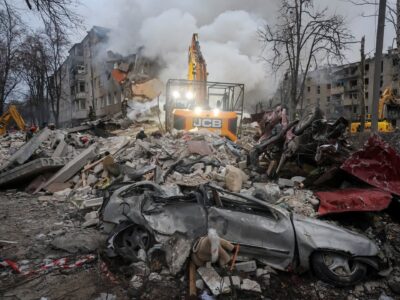
Amid the relentless conflict and turmoil in Ukraine, one of the most immediate and challenging effects faced by civilians and reporters alike is the frequent wartime blackouts caused by Russian military actions targeting critical infrastructure. Mansur Mirovalev, a seasoned Ukraine correspondent, sheds light on the many trials and tribulations of daily life under these conditions, providing valuable insights into managing the practical and psychological impacts of these dark times.
The blackouts, often lasting hours or even days, are not merely an inconvenience but a significant threat to safety, communication, and overall morale. They render homes, streets, and entire neighborhoods shrouded in darkness, disrupting normal life and heightening the sense of vulnerability among residents.
Mirovalev emphasizes the strategic importance Russia places on these power cuts, as they aim to weaken Ukraine’s resilience by eliminating electricity, heating, and water supplies that depend on electrical systems. This tactic not only hampers civilians’ daily activities but also complicates the logistics of emergency services and healthcare facilities.
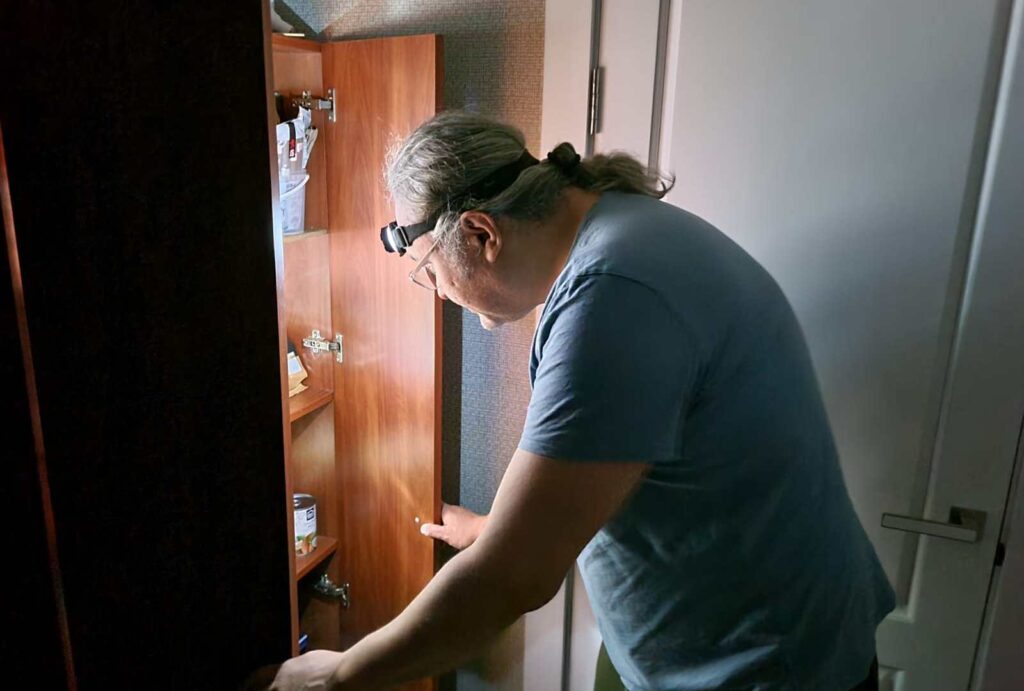
For reporters like Mirovalev, operating amid these blackouts requires meticulous preparation and adaptability. Maintaining communication channels becomes a priority, often relying on battery-powered radios, mobile devices with power banks, and satellite phones to gather and transmit news. The use of flashlights, candles, and other portable light sources becomes essential, although they bring their own risks in conflict zones.
Beyond technical challenges, the psychological toll of enduring long periods of darkness can be profound. Mirovalev notes how the uncertainty and isolation magnify stress and anxiety, adding to the burden on people already grappling with the hardships of war. Community support and maintaining routines become crucial strategies for resilience.
Practical tips from Mirovalev include stockpiling essentials such as batteries, non-perishable food, water, and heating fuel, as well as establishing safe meeting points and check-in routines with family and neighbors. Staying informed through trustworthy news sources and sharing accurate information helps counter misinformation that often proliferates in crisis situations.
Despite the hardships, Mirovalev’s reports also highlight moments of solidarity and hope, as Ukrainian communities unite to support one another. Volunteer groups and local initiatives step in to provide aid, restore some services, and keep spirits high during blackouts.
This guide serves as a testament to the resilience of people living through conflict and the crucial role journalists play in capturing and sharing these experiences with the world. As the war continues, understanding and adapting to wartime blackouts remain an integral part of everyday life in Ukraine, underscoring the broader human struggle amid geopolitical strife.