USA-VENEZUELA/MILITARY-VESSEL
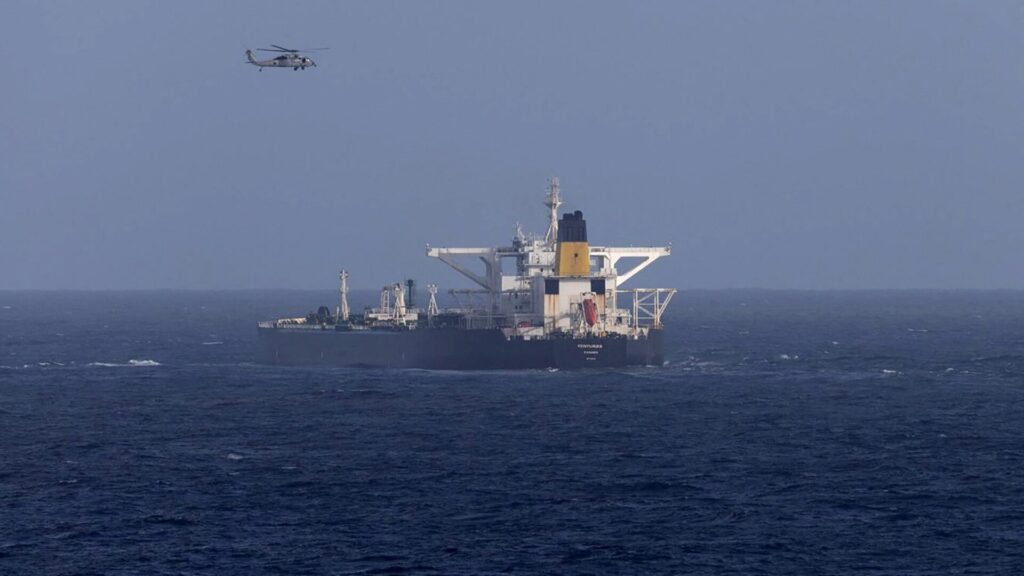
The recent seizures of oil tankers by the United States off the coast of Venezuela have sparked intense debate regarding their legality and implications. The US government has asserted that these actions are part of a broader naval blockade aimed at restricting Venezuelan oil shipments amid ongoing political and economic tensions. This blockade is intended to enforce sanctions against the Venezuelan government and prevent the transfer of oil revenues that could potentially sustain its regime.
The US has recently announced it is pursuing a third tanker near Venezuelan waters, continuing its efforts to limit the country’s oil exports. Officials argue that these seizures are legal under international law provisions that allow countries to enforce economic sanctions and embargoes, especially when authorized by domestic legislation and multiple international resolutions.
However, critics and some international observers question the legitimacy of these seizures, labeling them as acts of piracy or illegal seizures on the high seas. They argue that without explicit authorization from the United Nations Security Council, such unilateral actions risk violating international maritime law principles, including freedom of navigation.
Venezuela has condemned the seizures, describing them as aggressive acts undermining its sovereignty and economic stability. The Venezuelan government has called for international intervention and urged diplomatic solutions to de-escalate the tensions. It insists that the tankers were operating legally and on legitimate commercial routes and that the US actions constitute violations of its rights under international law.
Legal experts highlight the complex nature of such disputes, noting the clash between national sanctions policies and international maritime regulations. While the United States maintains its stance based on regime change efforts and sanction enforcement, adversaries stress the need for multilateral consensus to authorize blockades and maritime interdictions.
This situation reflects broader geopolitical struggles in Latin America and the international community’s divided stance towards Venezuela’s political crisis. The continuation of US naval operations aiming to deter Venezuelan oil exports could escalate tensions further or potentially lead to diplomatic negotiations addressing the underlying issues.
As the US pursues its third tanker near Venezuela, the global community watches closely. It remains essential to balance enforcement of sanctions with respect for international legal frameworks to avoid exacerbating conflicts or setting controversial precedents in maritime law enforcement.
In conclusion, while the US government defends its tanker seizures off Venezuela as legal measures supporting its national security and foreign policy objectives, many international actors view these operations as contentious acts that straddle the line between lawful sanction enforcement and piracy. The unfolding events highlight the complexities of unilateral actions in international waters and the importance of cooperative approaches to resolving disputes involving economic sanctions and maritime conduct.