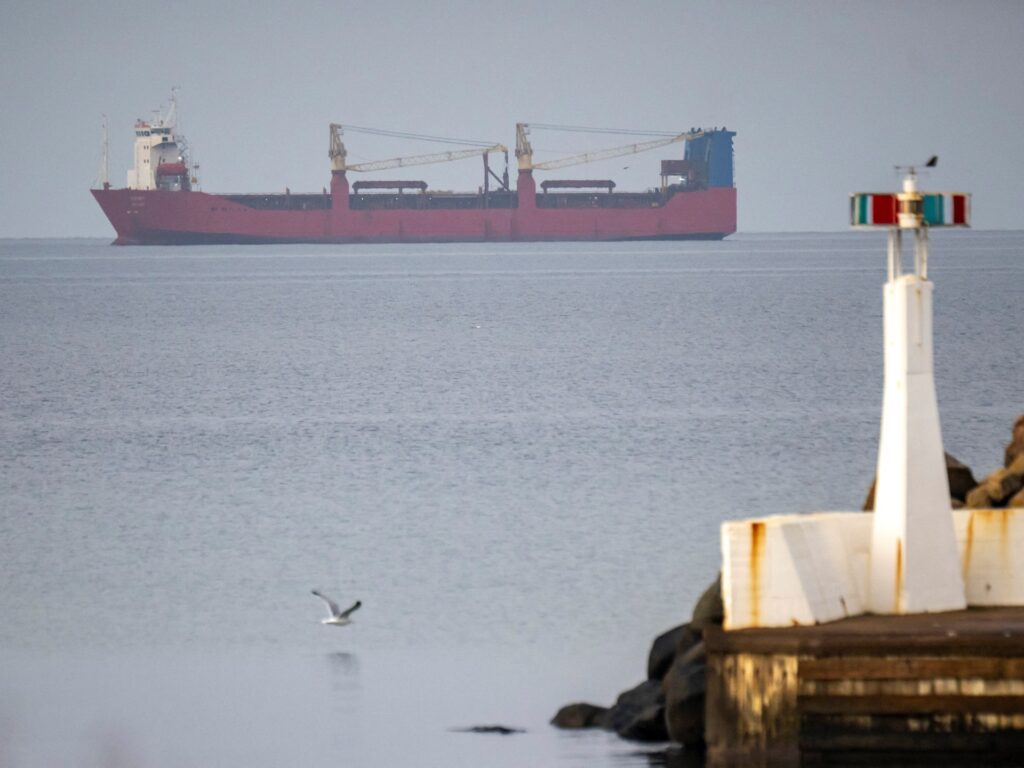
Swedish authorities have taken decisive action by boarding a Russian ship that encountered an engine failure off the Swedish coast. The incident occurred within Sweden’s national waters, prompting officials to intervene and ensure maritime safety and regulatory compliance.
The vessel, which suffered mechanical difficulties leading to the malfunction of its engine, was halted by Swedish coast guards during routine patrol operations. Given the ship’s location within Sweden’s maritime jurisdiction, authorities exercised their right to board and inspect the vessel to assess safety conditions and investigate the cause of the failure.
Upon boarding, the inspectors evaluated the ship’s condition, focusing on the engine issues and any potential environmental or navigational hazards that might arise due to the failure. The inspection aimed to prevent any risk of maritime accidents or pollution incidents that could affect Sweden’s coastal environment and marine traffic.
The Russian crew cooperated with Swedish officials during the inspection, providing necessary documentation and information about the engine failure. While the primary concern was the mechanical integrity of the vessel, the authorities also reviewed the ship’s adherence to maritime regulations and safety protocols.
Following the investigation, Swedish maritime authorities imposed sanctions on the ship due to violations identified during the inspection. These sanctions reflect Sweden’s commitment to maintaining strict control over its national waters and ensuring that all foreign vessels comply with safety and environmental standards.
The incident underscores the importance of vigilance in maritime operations and the readiness of coastal states like Sweden to enforce their maritime laws in cases involving foreign vessels. It also highlights the challenges ships may face while navigating busy international waters and the need for constant maintenance and adherence to safety standards.
Swedish authorities continue to monitor the situation and collaborate with international maritime organizations to promote safe and secure navigation in the Baltic Sea region. This event serves as a reminder of the strategic significance of Sweden’s national waters and the robust measures in place to protect them from any potential risks stemming from maritime incidents.
In conclusion, the boarding and sanctioning of the Russian ship by Swedish officials following an engine failure not only ensured immediate safety but also reinforced the enforcement of maritime regulations. It sets a precedent for handling similar incidents in the future and demonstrates Sweden’s proactive stance in safeguarding its maritime environment and sovereignty.