Japan is preparing to restart the Kashiwazaki-Kariwa nuclear power plant, which is the largest nuclear power facility in the world. This major development comes 15 years after the Fukushima disaster, which led to a nationwide shutdown of nuclear energy plants across the country. The restart of Kashiwazaki-Kariwa signals a significant shift in Japan’s energy policy as it seeks to balance its energy needs with safety concerns.
The Fukushima nuclear disaster of 2011 was a turning point for Japan, forcing the government to reevaluate the safety of its nuclear plants and its reliance on nuclear energy. Following the tragedy, all of Japan’s nuclear reactors were shut down for inspections and safety upgrades, leading to a dramatic reduction in nuclear energy production.
Kashiwazaki-Kariwa, located in Niigata Prefecture, has the capacity to generate approximately 8,200 megawatts of electricity, making it the largest nuclear generating station in the world. The plant consists of seven reactors and has the potential to provide a substantial portion of Japan’s electricity.
The move to restart this plant comes amid rising energy demands and concerns over energy security. Japan imports a large percentage of its energy, and restarting nuclear power plants can reduce dependence on fossil fuels and imported energy sources.
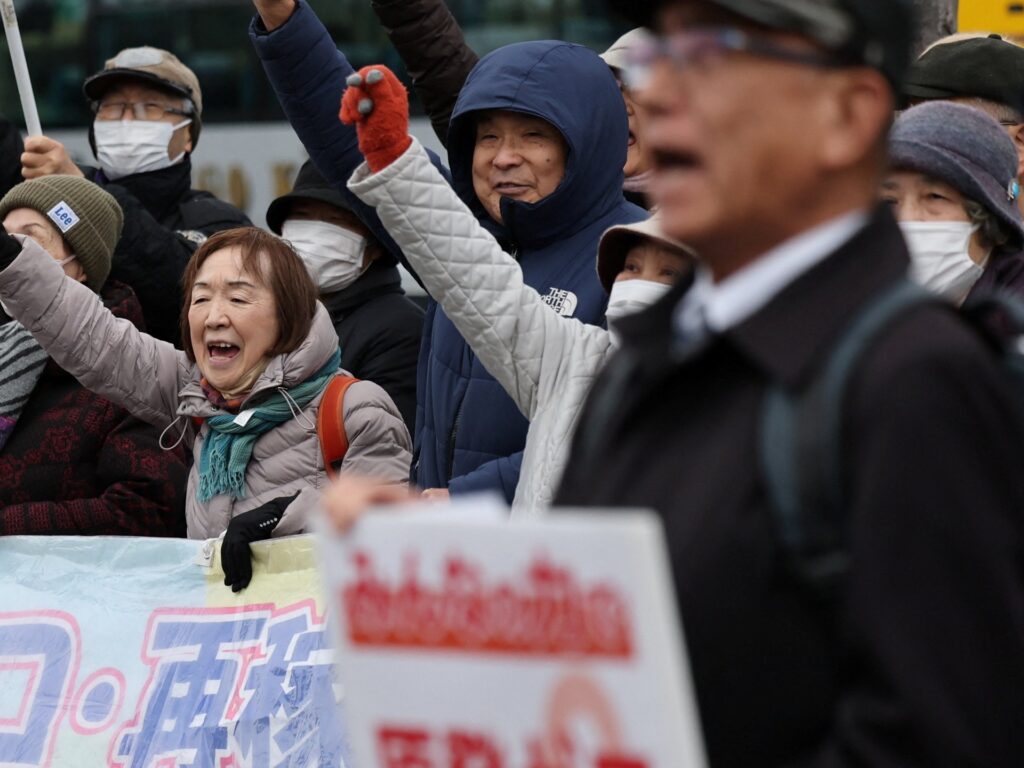
However, the decision to restart the Kashiwazaki-Kariwa plant has been met with mixed reactions from the public and experts. Some express hope that updated safety measures and modern technology will prevent any future disasters, while others remain anxious about the risks of nuclear energy.
Since the Fukushima incident, Japan has implemented rigorous safety standards and upgraded protocols for its nuclear facilities. These measures include enhanced seismic assessments, improved emergency preparedness, and stricter regulatory oversight.
Experts believe that the restart of Kashiwazaki-Kariwa could mark a new era for Japan’s nuclear energy sector if all safety concerns are adequately addressed. It also reflects a global trend of reconsidering nuclear power as a low-carbon energy source amid climate change challenges.
The government and plant operators have announced that thorough inspections and safety checks have been conducted, and all reactors meet current regulatory requirements. Despite this, local communities and environmental groups continue to monitor the situation closely.
This development is expected to influence energy policies not only in Japan but also globally, as countries weigh the benefits of nuclear power against its potential risks.
In summary, the imminent restart of the Kashiwazaki-Kariwa nuclear power plant is a landmark event for Japan, representing both a return to nuclear energy after a long hiatus and the challenges of ensuring safety and public trust in nuclear power. As the plant resumes operations, the effectiveness of Japan’s improved nuclear safety measures will be put to the test in the years ahead.