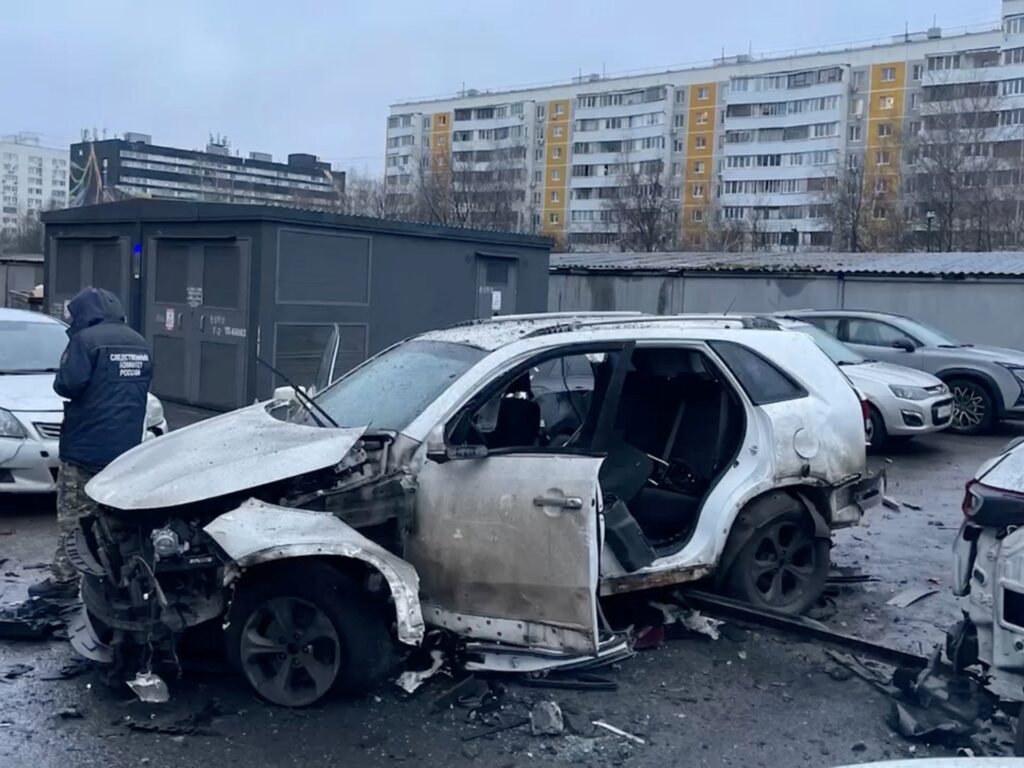
In a shocking incident that has sent ripples through the Russian establishment, a car bomb detonated in Moscow, killing a senior Russian general. Authorities have launched a comprehensive investigation into the attack, considering various possible motives and perpetrators. One significant line of inquiry involves probing the potential involvement of Ukrainian special forces.
The explosion occurred in a busy area of Moscow, catching bystanders and officials off guard. The victim, a high-ranking military officer, was specifically targeted in what investigators describe as a calculated and precise act of violence. Security agencies have heightened their efforts to understand the chain of events leading up to the bombing.
Sources close to the investigation have revealed that intelligence points to a complex operation possibly linked to Ukraine, though concrete evidence remains under careful scrutiny. The geopolitical tensions between Russia and Ukraine add a layer of complexity to clarifying the perpetrators’ identities and motivations.
Russian officials have condemned the attack as an act of terrorism aimed at destabilizing the nation’s security. They emphasize that all possible leads are being diligently pursued, including interlinked networks that might span beyond national borders.
The investigation team is examining communications, movements of suspects, and forensic evidence gathered at the scene to establish a timeline and identify those responsible. The possibility that the attack was orchestrated by Ukrainian special forces stems from intercepted communications and tactical patterns observed.
Military analysts suggest that if proven, this act could signify a major escalation in covert operations linked to the ongoing conflict between Russia and Ukraine. It also raises questions about security vulnerabilities within Moscow and the protective measures surrounding high-profile officials.
International reactions have varied, with some calling for de-escalation and dialogue, while others condemn any violence targeting officials in conflict zones. The situation remains fluid, with diplomatic channels likely to be active in the aftermath of the attack.
Law enforcement agencies continue to appeal to the public for information, emphasizing the importance of community vigilance and cooperation. The government assures that justice will be served swiftly and that the safety of its citizens remains paramount.
This tragic event marks a grim milestone in the strained relations between Russia and Ukraine, highlighting the dangers and complexities of ongoing geopolitical conflicts. As the investigation unfolds, many await further details that may shed light on the broader implications of this deadly attack.