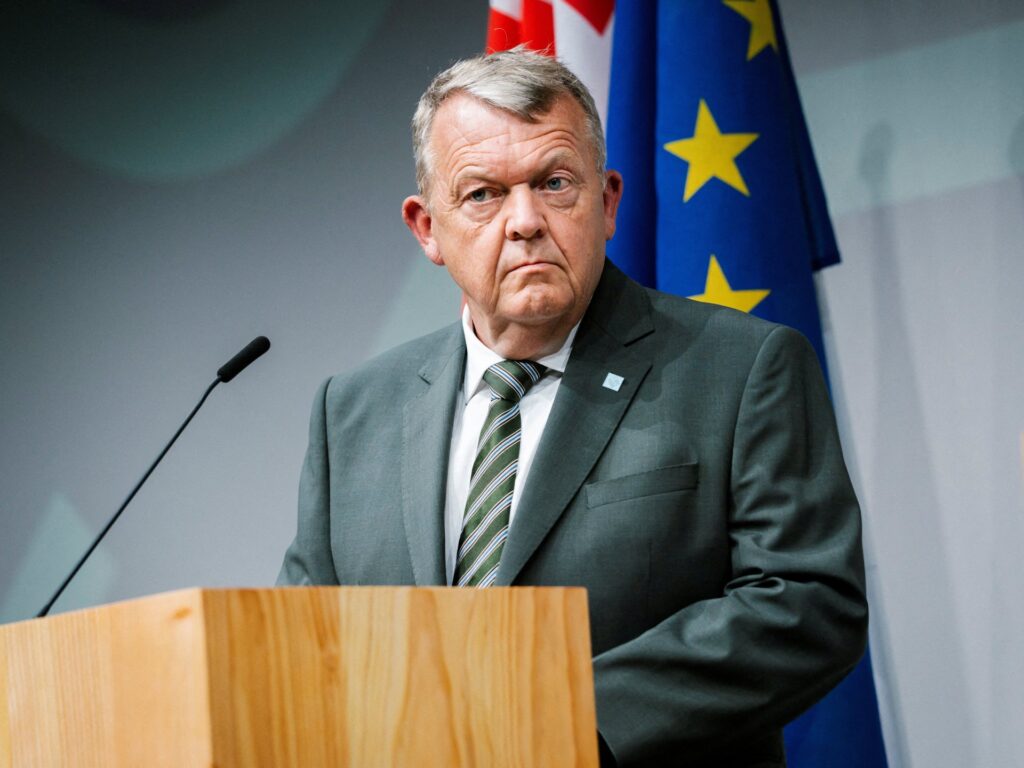
Denmark has announced its decision to summon the United States ambassador in response to the recent appointment of a US envoy to Greenland, a move that has sparked significant diplomatic tension. The Danish government expressed strong disapproval of statements made by Jeff Landry, the newly appointed US envoy, which suggested the possibility of annexation of Greenland, a Danish territory. Copenhagen described Landry’s remarks as “totally unacceptable,” emphasizing the sensitivity surrounding Greenland’s status and the importance of respecting Danish sovereignty.
This diplomatic incident underscores the complex geopolitical dynamics surrounding Greenland, a vast Arctic territory with strategic importance due to its location and natural resources. Despite being an autonomous region within the Kingdom of Denmark, Greenland has attracted increasing attention from global powers, particularly the United States, which views the island as a critical asset in terms of security and resource potential.
The US appointment of Jeff Landry as envoy to Greenland was intended to strengthen bilateral ties and increase cooperation on issues such as climate change, security, and investment. However, Landry’s comments raising the prospect of Greenland’s annexation were perceived in Denmark as a direct challenge to Danish authority and territorial integrity.
Denmark’s move to summon the US ambassador aims to convey the seriousness with which it views the remarks and to seek assurances that the United States respects Danish sovereignty over Greenland. Danish officials stress that any discussion about Greenland’s future must be conducted with Denmark’s full involvement, respecting the island’s autonomous government and the Danish crown.
The controversy has drawn international attention, highlighting the strategic importance of the Arctic and raising questions about future relations between Denmark and the United States. It also signals the delicate balance required in diplomacy when dealing with territories that hold significant geopolitical value.
In response, the US government has attempted to clarify its position, stating that there is no intention to change Greenland’s status and reaffirming its commitment to working collaboratively with Denmark. This incident serves as a reminder of the importance of careful diplomatic communication and the challenges posed by geopolitical ambitions in a changing global landscape.
As the situation develops, both nations appear committed to dialogue and finding a path forward that respects mutual interests and maintains the strong partnership that has historically existed between Denmark and the United States. The outcome of these diplomatic discussions will likely influence the broader dynamics of Arctic geopolitics and international relations in the region.