The ongoing conflict between Cambodia and Thailand shows no signs of abating, even as both countries engage in talks aimed at establishing a ceasefire. The persistent fighting has created a climate of fear and economic uncertainty for communities along the border.
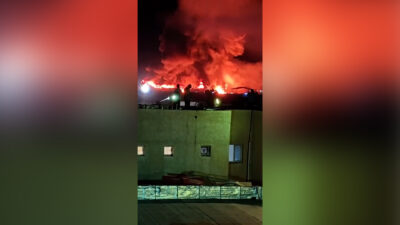
For weeks, armed clashes have erupted sporadically between Cambodian and Thai forces. These confrontations have led to casualties and displacement, further exacerbating tensions between the two nations. Despite diplomatic efforts, the situation on the ground remains volatile.
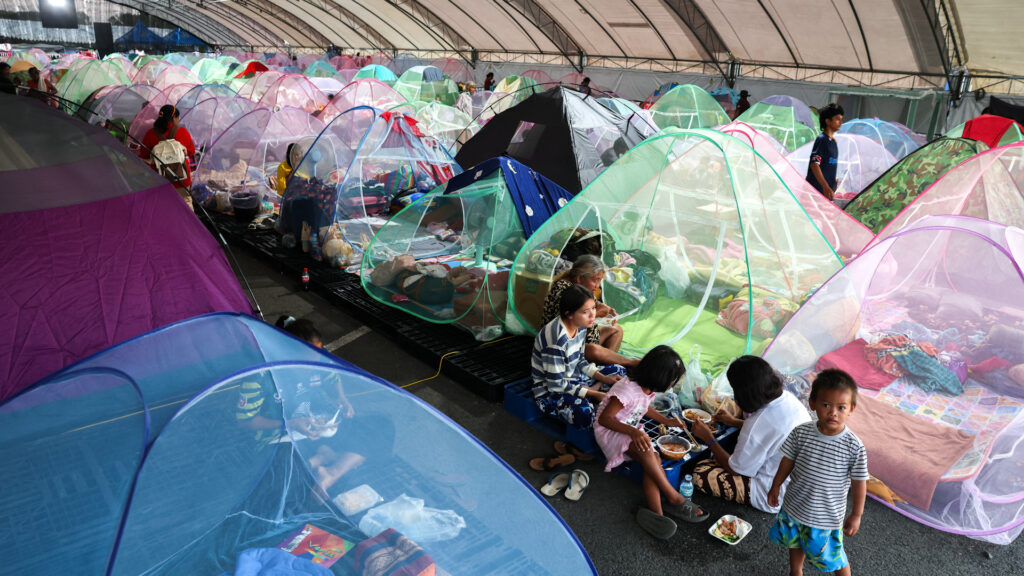
Local residents in affected areas report living in constant fear. Families have been forced to flee their homes, abandoning livelihoods and possessions to seek safety in more secure regions. Villagers express anxiety over the lack of security and disruptions to daily life, including access to schools, healthcare, and markets.
The economic impact of the fighting is significant. Border trade, a vital source of income for many locals, has slowed considerably as transport routes become dangerous or inaccessible. Farmers struggle to tend crops amid the chaos, and businesses face shortages due to supply chain interruptions.
Authorities from both sides have indicated a willingness to engage in dialogue, with ceasefire negotiations scheduled to take place soon. These talks aim to halt fighting and establish mechanisms to prevent further conflicts.
Observers note that sustainable peace will require more than negotiations; addressing underlying issues such as border demarcation disputes and historical grievances is crucial. International aid organizations have called for humanitarian assistance to support displaced populations and ensure basic needs are met.
The broader geopolitical implications of the conflict also draw attention. Stability in the region is essential for economic development and cooperation among Southeast Asian nations. Continued violence risks undermining these goals and escalating into broader confrontations.
As the ceasefire talks loom, hopes for an end to the fighting rest on mutual commitment by Cambodia and Thailand to peace and reconciliation. For affected communities, the prospect of peace offers a chance to rebuild lives and restore economic stability.
In summary, the ongoing Cambodia-Thailand conflict highlights the complex interplay of security, humanitarian, and economic challenges in border disputes. Success in peace talks could pave the way for lasting resolution and regional harmony, but until then, residents continue to bear the brunt of uncertainty and hardship.