Gaza is currently facing significant medicine shortages, which have been described as ‘alarming’ by the region’s Health Ministry. These shortages are particularly critical in emergency medical services, where access to essential drugs is becoming increasingly limited.
The situation has been exacerbated by ongoing Israeli restrictions that affect the flow of medical supplies into the enclave. Gaza’s healthcare system, already strained by years of conflict and economic blockade, is now confronting a severe crisis that threatens patient care and health outcomes.
Health officials in Gaza have reported that many essential medications, including those used for emergency interventions, surgeries, and chronic condition management, are running dangerously low. This scarcity risks delaying critical treatments and could lead to increased mortality and morbidity among the population.
Hospitals and clinics have voiced urgent calls for international assistance and pressure on all parties to allow unhindered delivery of medical supplies. The shortage extends beyond emergency drugs to include anesthesia, antibiotics, painkillers, and other life-saving pharmaceuticals.
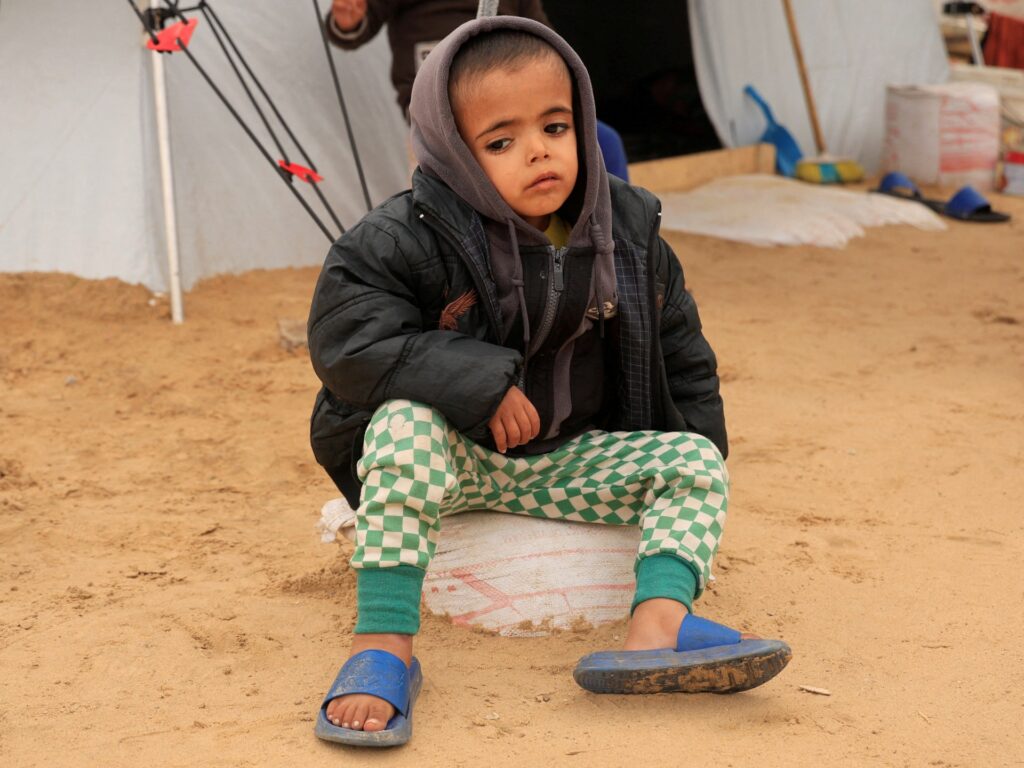
The impact on vulnerable groups, including children, elderly, and those with pre-existing health conditions, is particularly alarming. Medical professionals warn that without immediate intervention, the health crisis will deepen, potentially leading to preventable deaths and further destabilization of public health in Gaza.
These medicine shortages come at a time when Gaza is also battling other public health challenges, including outbreaks of infectious diseases and limited capacity to manage chronic illnesses. The strained supply chains and restricted access to medical resources underscore the urgent need for coordinated efforts to address the humanitarian situation.
International health organizations and humanitarian agencies have highlighted the critical status of the pharmaceutical supply in Gaza and are advocating for the lifting of restrictions that impede medical aid.
As the conflict and restrictions persist, the health sector in Gaza faces an unprecedented challenge to provide adequate care. The Health Ministry’s alerts emphasize the necessity for swift action to mitigate this dire shortage and protect the lives of thousands in the region.
In summary, medicine shortages in Gaza are reaching a crisis point due to Israeli restrictions, impacting emergency services most severely. Immediate international response and policy changes are essential to restore medical supply chains and alleviate the humanitarian impact on Gaza’s population.