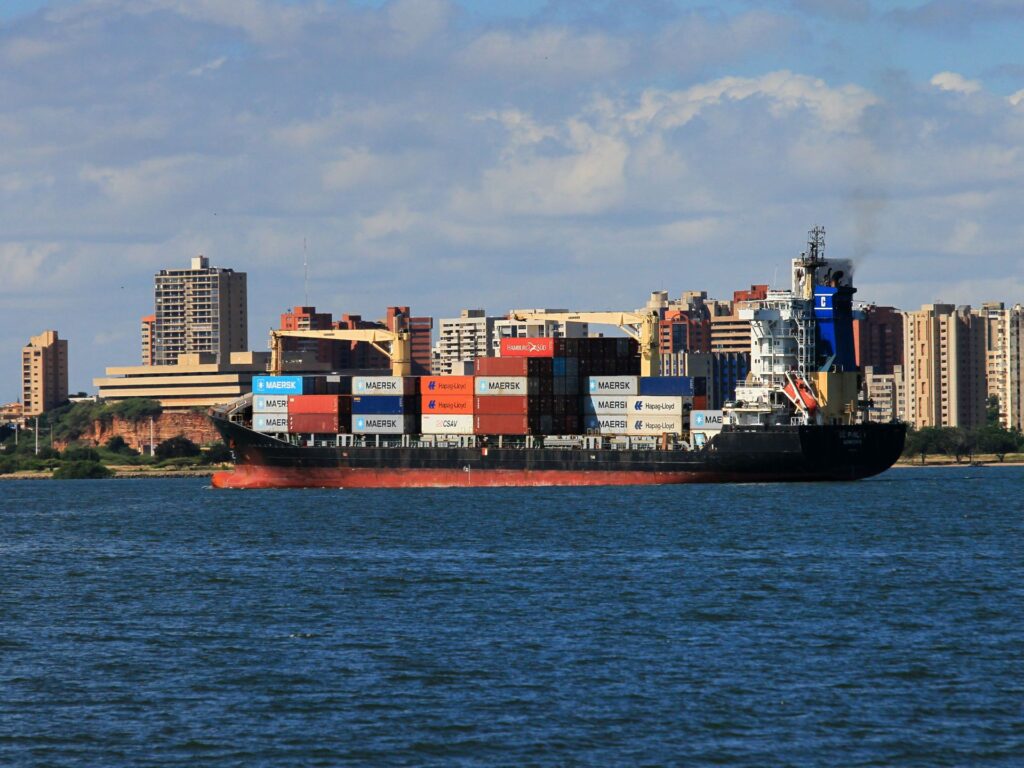
The United States has confirmed the seizure of a second oil vessel off the coast of Venezuela, marking a significant escalation in maritime operations in the region. This action constitutes the second such event in recent weeks, highlighting ongoing tensions and enforcement activities related to maritime security and international sanctions near Venezuela.
The vessel, which was intercepted by US authorities, is suspected of being involved in activities that violate US sanctions policies imposed on the Venezuelan oil sector. These sanctions aim to curb the Venezuelan government’s ability to profit from its natural resources amid political and humanitarian crises.
According to official statements, the operation involved coordinated efforts between various US agencies, including the Coast Guard and the Department of Justice, to legally seize the tanker. Details about the vessel’s name, origin, and cargo remain under investigation while authorities proceed with legal processing.
This seizure follows a recent incident where another oil tanker was intercepted and seized under similar circumstances. The consecutive actions underscore the US’s determination to enforce sanctions rigorously and prevent any circumvention that may undermine their foreign policy objectives.
Experts note that these repeated seizures could have broader implications for international shipping and energy markets. The frequent interception of tankers near Venezuela complicates the already tense geopolitical environment, affecting global oil supply routes and raising insurance and operational costs for maritime transport companies.
The Venezuelan government has condemned the seizures, labeling them as unlawful acts of aggression and violations of international maritime law. Caracas insists that its shipping activities comply with all regulatory standards and accuses the US of exerting undue economic pressure.
Meanwhile, global reactions have been mixed, with some countries supporting the US stance on sanctions enforcement and others calling for diplomatic solutions to avoid escalating tensions in the region.
The US administration asserts that these measures are critical to pressuring the Venezuelan regime to undertake political reforms and address the country’s ongoing economic challenges. It emphasizes that the seizures are carried out within the framework of international law and aimed at promoting regional stability.
Shipping analysts predict that if such operations continue, the risk of confrontations at sea could increase, making it imperative for all parties involved to seek dialogue and clear agreements on maritime conduct.
This latest seizure highlights the complex interplay between geopolitical strategies, economic sanctions, and maritime security in one of the Western Hemisphere’s most volatile regions. Authorities in Washington have pledged to maintain vigilance and enforce laws to uphold international sanctions, signaling that the US will remain actively engaged in monitoring and controlling suspicious maritime activities near Venezuela.
As this situation develops, stakeholders in international shipping, oil markets, and diplomatic circles will closely watch for further updates and potential impacts on global trade and regional stability.