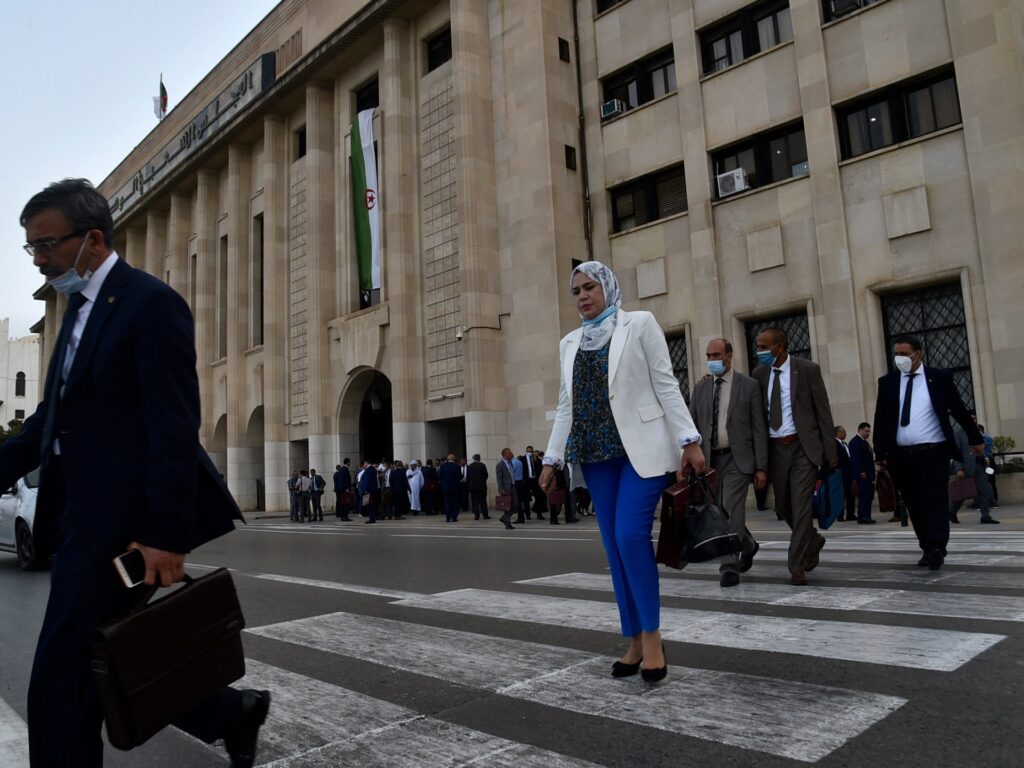
The Algerian parliament is poised to vote on a significant draft law that seeks to criminalise the period of French colonial rule in Algeria. This legislative move, scheduled for a vote on Wednesday, has been described by the speaker of the parliament as a ‘defining milestone’ in Algeria’s history.
The proposed law aims to address and condemn the actions and legacy of French colonialism, which lasted for over a century, deeply impacting Algerian society, culture, and politics. The colonial period was marked by widespread oppression, violence, and significant human rights abuses against the Algerian population.
The draft law’s introduction reflects Algeria’s ongoing efforts to confront its colonial past and seek justice and recognition for the suffering endured by its people. By criminalising the acts committed during colonisation, Algeria intends to affirm its sovereignty and reject any form of justification or glorification of colonial rule.
This move is also seen as a response to historical debates and tensions between Algeria and France regarding the interpretation and acknowledgment of the colonial era. It underscores Algeria’s determination to ensure that the narrative of colonialism is framed from the perspective of those who experienced its harsh realities.
The proposed legislation could have wide-ranging implications, including the potential for legal actions or claims related to colonial injustices. It also serves as a symbolic gesture towards reconciliation and affirmation of national identity.
As the parliament prepares to vote, the international community watches closely, recognising the draft law as a pivotal moment in Algeria’s post-colonial journey. The outcome of the vote will likely influence future relations between Algeria and France, as well as Algeria’s internal discourse on history and justice.
In summary, the upcoming parliamentary vote on the draft law to criminalise French colonial rule marks a significant step for Algeria. It embodies a broader movement to confront historical injustices and redefine the national narrative in the post-colonial era.