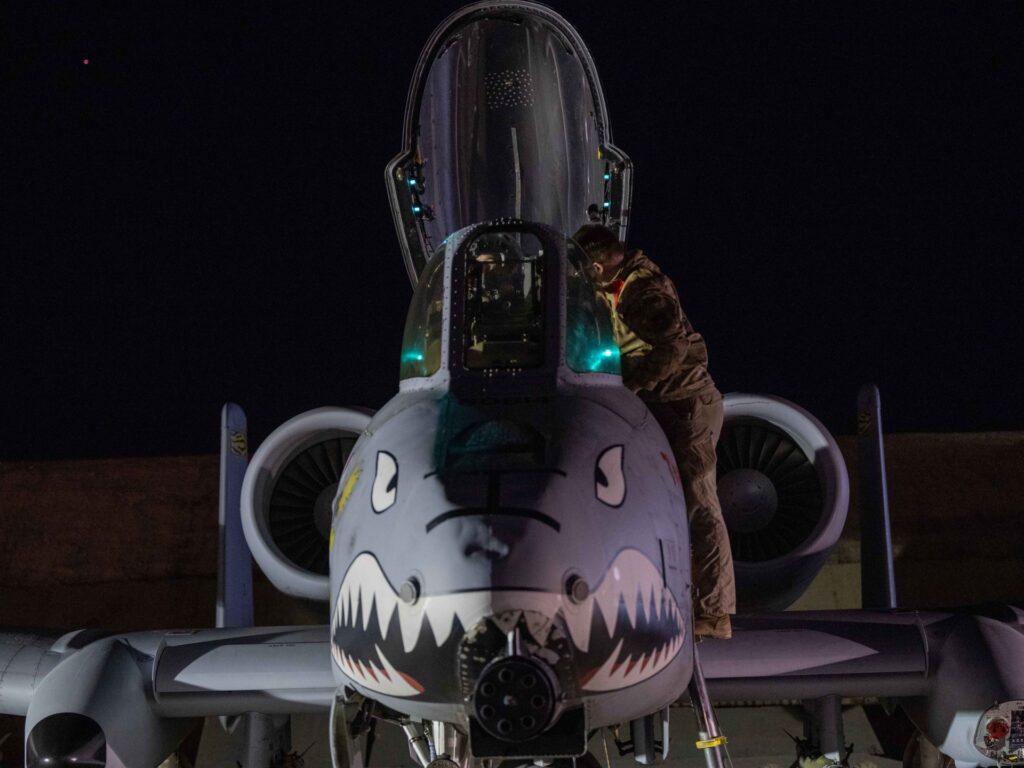
The United States military has intensified its campaign against the Islamic State of Iraq and Syria (ISIS) by launching over 70 aerial bombardment strikes on alleged ISIS targets in Syria. This strategic military action is part of a broader international effort to dismantle and weaken ISIS’s operational capabilities in the region.
The strikes targeted various ISIS strongholds, including weapon depots, training camps, and command centers, aiming to disrupt the terrorist group’s infrastructure and leadership. US defense officials reported that these operations were carefully coordinated to minimize civilian casualties and focused on legitimate military objectives.
This recent wave of strikes marks one of the most significant escalations of US military involvement in Syria since the campaign against ISIS began. The US continues to collaborate with local Syrian forces and international allies to combat extremist threats and restore stability in the war-torn region.
According to Pentagon sources, the bombings were based on intelligence that identified active ISIS militants planning imminent attacks. The US military confirmed that precision-guided munitions were used to ensure the destruction of targets while limiting collateral damage.
The aerial offensive comes amid ongoing political and humanitarian crises in Syria, with the country divided among various factions including regime forces, rebel groups, and extremist organizations like ISIS. The US-led coalition’s efforts seek to degrade ISIS’s ability to regroup and pose a renewed threat to both regional and global security.
Analysts suggest that sustained airstrikes and ground support missions are crucial to preventing ISIS from regaining territory and influence. However, challenges remain due to the complex geopolitical dynamics and the involvement of multiple foreign powers within Syria.
The US military’s aggressive campaign against ISIS reflects a commitment to eradicating terrorism and preventing the resurgence of extremist groups capable of orchestrating large-scale attacks. These operations also underscore the broader strategic goal of promoting peace and stability in the Middle East.
Local reports from Syria indicate that the strikes have significantly weakened ISIS’s operational capacity, although the group is expected to continue guerrilla tactics and underground activities. Continuous monitoring and follow-up missions are anticipated to ensure ISIS remnants are effectively neutralized.
The international community has largely supported the US strikes, viewing them as necessary in the fight against terrorism. Nonetheless, there remain concerns about the long-term impact of airstrikes on civilian populations and infrastructure.
Efforts are underway to complement military actions with diplomatic initiatives aimed at resolving the Syrian conflict and addressing the root causes of extremism. The US and its allies emphasize the importance of a comprehensive approach combining military pressure, humanitarian aid, and political dialogue.
As the campaign progresses, the US military remains vigilant, ready to adapt its tactics in response to evolving threats posed by ISIS and other extremist factions within Syria. The recent aerial bombardments highlight both the ongoing risks and the international resolve to counter terrorism effectively.
The situation in Syria remains fluid, with continued airstrikes expected as part of a sustained campaign to dismantle ISIS networks and restore regional security. The success of these operations will depend on cooperation among international partners and effective intelligence gathering to target emergent threats swiftly.
In conclusion, the US aerial bombardment strikes on ISIS in Syria represent a significant step in the ongoing global fight against terrorism. By targeting ISIS infrastructure and personnel, the US aims to weaken the group’s capacity to destabilize the region and pose threats beyond Syria’s borders.