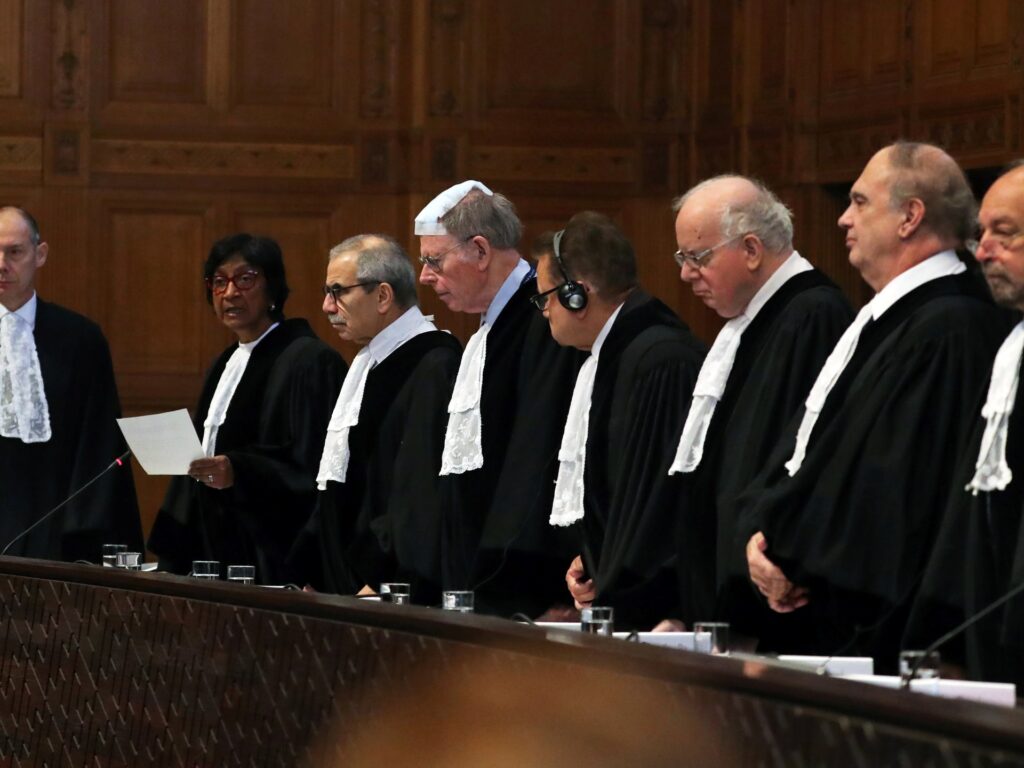
The International Court of Justice (ICJ), the principal judicial organ of the United Nations, is set to hold hearings in January regarding the alleged genocide against Myanmar’s Rohingya community. This move marks a significant step in the global pursuit of justice for the Rohingya, a Muslim minority group that has faced widespread persecution and violence in Myanmar.
The hearings are expected to include testimonies from witnesses within the Rohingya community, providing first-hand accounts of the atrocities they have endured. These witnesses will address the court in closed-door sessions to protect their safety and privacy.
The case was brought before the ICJ by The Gambia in 2019, accusing Myanmar of violating the 1948 Genocide Convention through actions that included mass killings, sexual violence, and the displacement of hundreds of thousands of Rohingya people. Myanmar has denied the allegations, asserting that its military operations were targeted at insurgents.
Experts and human rights advocates see the ICJ hearings as a crucial opportunity to hold Myanmar accountable on the international stage. The ICJ has the authority to order provisional measures to prevent further harm and to deliver a final judgment on whether genocide has occurred.
The Rohingya crisis has drawn widespread international condemnation since a major military crackdown in 2017 led to a mass exodus of Rohingya refugees to neighboring Bangladesh. Documentation from human rights organizations has consistently reported on systematic violence and human rights abuses.
While the ICJ proceedings are a civil matter between states, separate criminal investigations are being conducted by the International Criminal Court (ICC) focusing on alleged crimes against humanity.
The upcoming January hearings underscore the global community’s ongoing efforts to seek justice and ensure accountability for one of the most severe humanitarian crises of recent years. The testimonies and evidence presented will play a critical role in shaping the court’s decisions and influencing international responses to the genocide allegations against Myanmar.