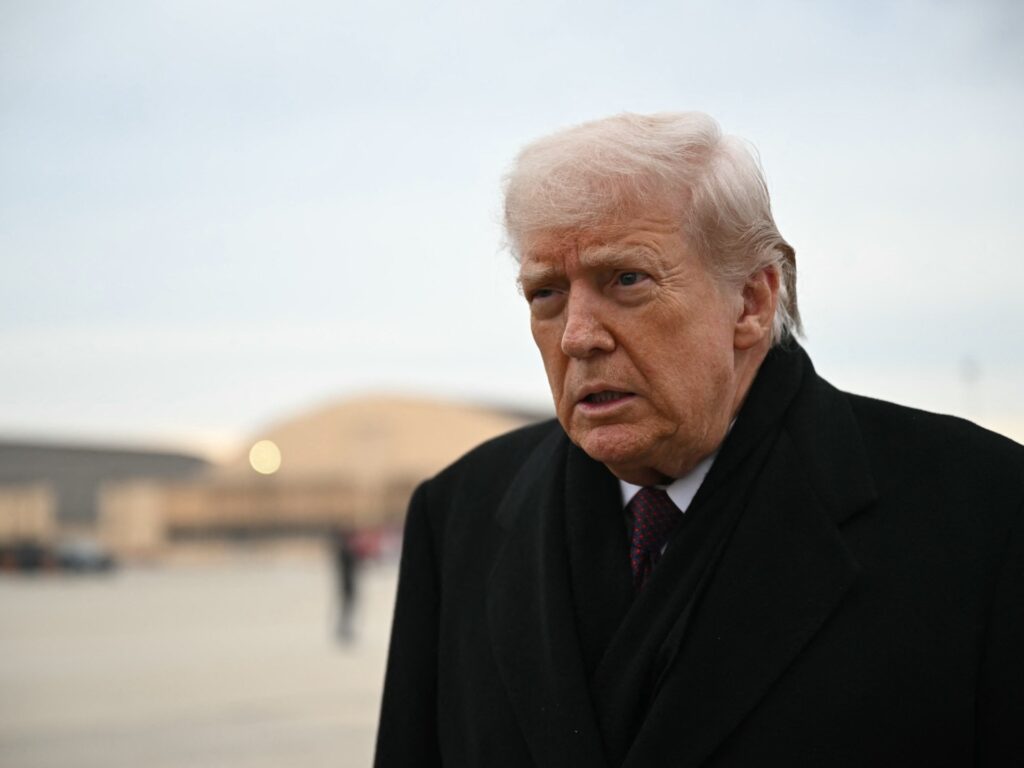
In a significant escalation of military operations, former President Donald Trump announced that the United States has launched large-scale attacks against the Islamic State of Iraq and the Levant (ISIL) in Syria. This offensive comes in the wake of a tragic incident where three Americans, including two US soldiers, were killed in Syria’s Palmyra, underscoring the ongoing risks and volatility in the region.
The attacks mark a renewed commitment to combating ISIL, whose presence in Syria has persisted despite previous efforts to dismantle the group. Trump’s declaration signals a forceful response intended to degrade ISIL’s operational capabilities and prevent further casualties among US forces and allied personnel.
Palmyra, a site of strategic and symbolic importance, has seen repeated conflict, with ISIL previously capturing the ancient city and using it as a stronghold. The recent deaths of American servicemen have heightened concerns about ISIL’s resilience and the challenges faced by US and coalition forces in stabilizing the region.
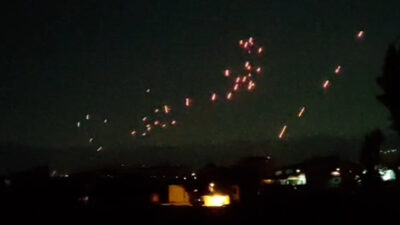
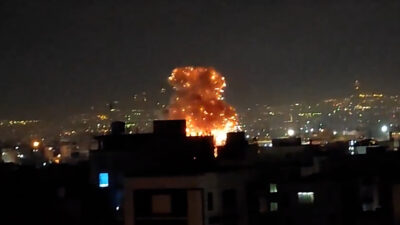
The large-scale operations reportedly involve coordinated airstrikes and ground maneuvers aimed at dislodging ISIL fighters from key positions. Military officials have emphasized the precision of the strikes designed to minimize collateral damage while maximizing impact on militant infrastructure.
This escalation is part of broader US efforts to support Syrian opposition forces and allies, reinforcing the objective to eradicate extremist elements threatening regional security and international stability. The operation also reflects the complex dynamics of the Syrian conflict, where multiple factions and foreign powers vie for influence.
Trump’s announcement was met with mixed reactions domestically and internationally, with supporters praising the decisive action against terrorism, while critics caution about the potential for deeper entanglement in Syria’s multifaceted civil war.
Experts note that achieving a lasting defeat of ISIL requires not only military action but also strategic political solutions addressing the root causes of extremism and instability in Syria and the wider Middle East.
As the situation evolves, the US government has pledged to keep allied nations informed and is prepared to adjust tactics in coordination with international partners to enhance the effectiveness of the campaign against ISIL.
This development underscores the ongoing dangers faced by American forces overseas and the commitment of the US to counterterrorism efforts amidst a complex geopolitical landscape. The coming weeks will be critical in determining the operation’s impact on ISIL’s presence and the broader security situation in Syria and the region.