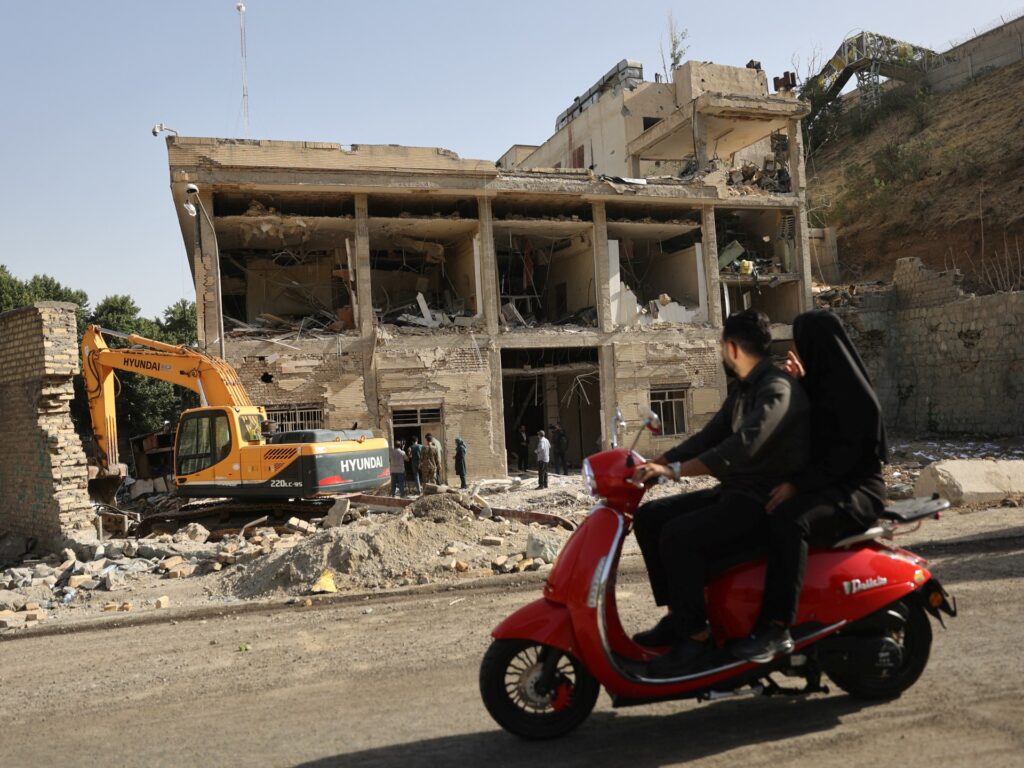
Iran has executed Aghil Keshavarz, a man accused of espionage for Israel’s Mossad, according to reports from Iranian state media. This execution marks one of several carried out by the Iranian government amid a period of escalating conflict with Israel, particularly since June of this year.
Keshavarz was reportedly charged with spying and providing sensitive intelligence to the Israeli intelligence agency, accusations that have been strongly denied by external observers but confirmed by Iranian authorities. The Iranian judiciary has classified his activities as a severe threat to national security, justifying the capital punishment verdict.
This case is the latest in a series of executions related to espionage allegations following heightened tensions between Tehran and Jerusalem. Relations between the two countries have been strained due to military confrontations, intelligence operations, and proxy conflicts in the region.
The June conflict, which involved escalations along the Israel-Iran axis, appears to have intensified Iran’s crackdown on suspected spies and dissidents accused of undermining the state’s security apparatus. The Iranian state media has emphasized Keshavarz’s role in providing critical information to Mossad, portraying the execution as a deterrent to others.
Human rights organizations have expressed concern over the use of the death penalty in espionage cases, urging greater transparency and adherence to fair trial standards. They argue that espionage charges in Iran are frequently associated with political motives and insufficient legal procedures.
International reactions to the execution have been mixed, with some countries condemning the death penalty and others calling for restraint and dialogue. The case highlights the broader geopolitical tensions in the Middle East and the complex nature of intelligence warfare between Iran and Israel.
Experts note that such executions serve as a warning within Iran, reinforcing state control and deterring collaboration with foreign intelligence services. At the same time, these actions deepen the mistrust and hostility that characterize Iran-Israel relations.
The execution of Aghil Keshavarz underscores the fragile and volatile security environment in the region and the ongoing shadow conflict that plays out through espionage and covert operations. The situation remains tense, with both sides vigilant against perceived threats and espionage activities.
As the Middle East navigates these challenges, the international community continues to monitor developments closely, advocating for peaceful resolutions and respect for human rights amid geopolitical strife.