In recent developments, the defense mounted by allies of former President Donald Trump regarding the bombing of alleged drug trafficking vessels in the Caribbean and Pacific has faced significant scrutiny from experts. These allies have drawn parallels between these military actions and the drone assassination campaigns carried out under President Barack Obama, framing their actions within the broader context of the ‘war on terror’.
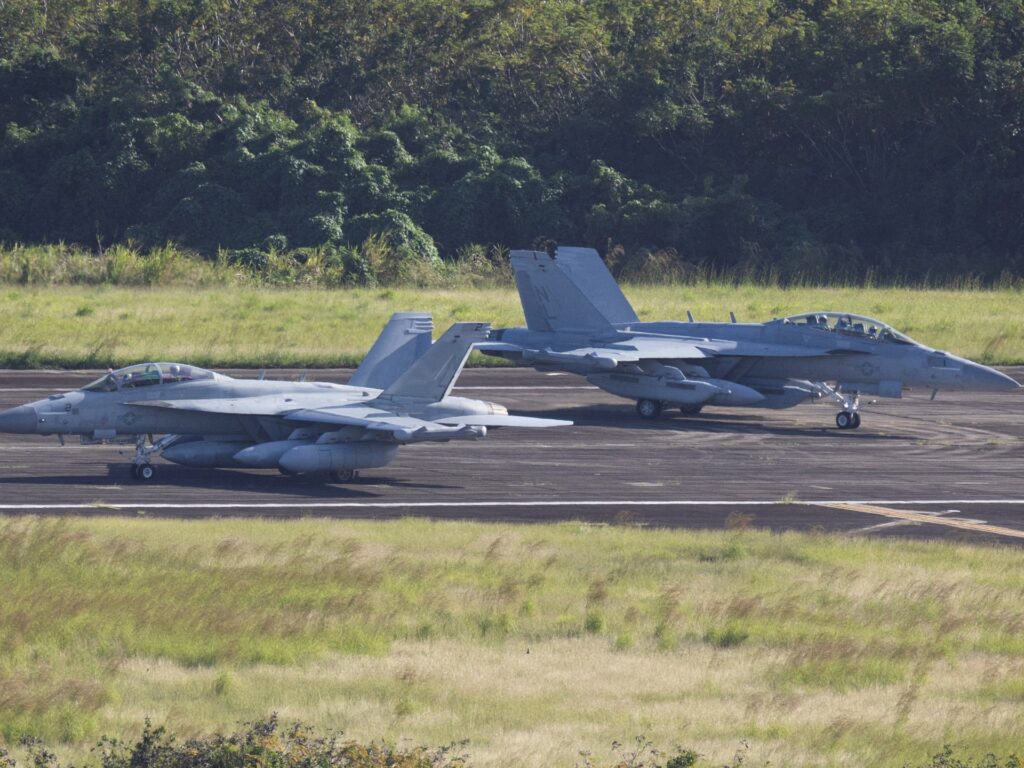
The strikes targeted boats believed to be involved in transporting narcotics, with the Trump supporters arguing that these operations were a continuation of counterterrorism efforts and thus justified on similar legal and ethical grounds as past drone strikes.
However, several analysts and international law experts have criticized this rationale, stating that the analogy between anti-drug operations and counterterrorism efforts is fundamentally flawed. They argue that the ‘war on terror’ framework was specifically crafted for combating terrorist organizations and does not logically extend to interdiction of drug trafficking.
Critics point out that while drone strikes in the Obama era were conducted under the premise of targeting imminent threats posed by terrorist actors, drug interdiction missions involve entirely different legal parameters and risk assessments. Applying the same justification to both activities undermines the complex distinctions between the two and could lead to problematic precedents in international law.
Additionally, experts question the transparency and oversight of the bombing missions against the boats. Unlike drone strikes, which were subject to specific rules of engagement and often public scrutiny, these maritime operations lack clear disclosure regarding legal authority and operational guidelines.
Human rights advocates have also expressed concern over the potential for civilian casualties and collateral damage, emphasizing the need for accountability and investigative mechanisms to evaluate the consequences of such strikes.
Furthermore, the use of force in these drug-related incidents raises questions about sovereignty and the rights of nations within the Caribbean and Pacific regions.
Diplomatic channels have reportedly seen increased tension following the strikes, as affected countries demand explanations and assurances that operations on their waters are conducted with proper consent and legal basis.
The debate encapsulates broader issues surrounding the expansion of military interventions under U.S. foreign policy, with some arguing that conflating drug enforcement with counterterrorism sets a troubling precedent that may erode international norms.
As the discussion unfolds, experts continue to caution against oversimplifying complex matters of international law and national security by using the ‘war on terror’ label as a catch-all justification.
In conclusion, while Trump allies seek to defend their actions by invoking the legacy of Obama’s counterterrorism strategy, experts emphasize that the ‘war on terror’ defense does not hold water in the context of boat strikes against alleged drug traffickers. The nuanced legal, ethical, and diplomatic challenges demand a more rigorous and transparent approach to such military operations moving forward.