two-figures-in-a-somber-outdoor-fantasyhistorical-setting-stand-side-by-side-on-the-left-a-bare-c.jpg
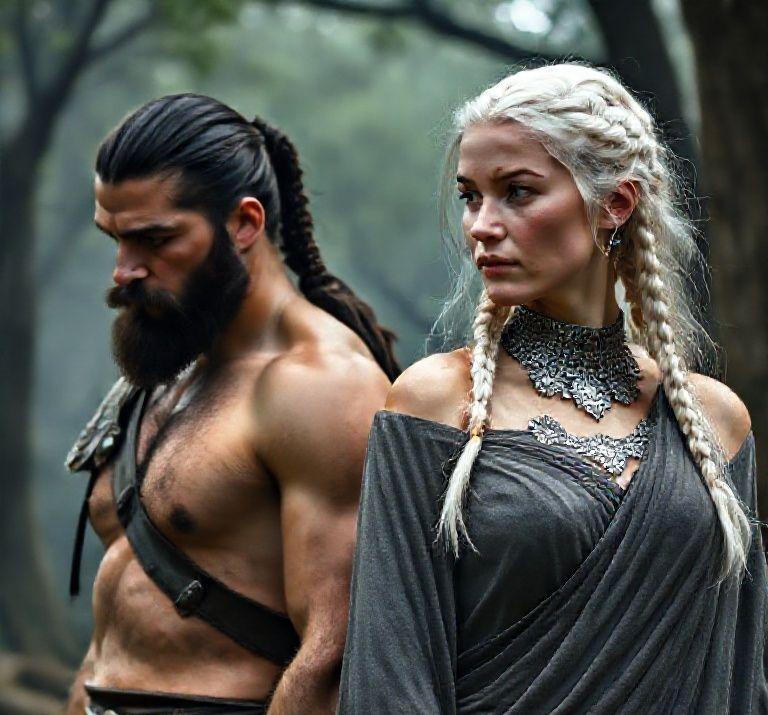
In a move poised to dramatically reshape the global entertainment industry, streaming giant Netflix is pursuing a groundbreaking acquisition of Warner Bros Discovery’s extensive streaming services and revered film studio. The proposed deal, which includes iconic brands like HBO and its acclaimed series such as Game of Thrones, is far from a simple business transaction, unfolding with all the dramatic twists and turns of a Hollywood blockbuster. Millenium TV has learned that this potential merger could mark one of the most significant consolidations in years.
Should the acquisition proceed, Netflix’s already formidable market position would become virtually unassailable. The company, which already boasts the world’s largest streaming subscription service and stands as California’s top producer of new content, would inherit a vast catalogue spanning nearly a century of cinematic and television history. This includes beloved franchises like Looney Tunes, Harry Potter, and Friends, alongside HBO hits such as Succession and Sex and the City. The deal also encompasses TNT Sports outside the United States and would significantly bolster Netflix’s subscriber base by potentially integrating HBO’s 128 million subscribers with its own more than 300 million-strong user base. Mike Proulx, a vice president at research firm Forrester, commented on the prospective market dominance, stating that with the addition of HBO Max, Netflix would become “arguably untouchable.”
The financial implications for consumers remain a key point of discussion. While Netflix executives, including co-chief executive Greg Peters, have been reticent about specifics regarding the integration of the Warner Brothers and HBO brands, Peters acknowledged the HBO name as “very powerful,” suggesting it would offer the company “a lot of options.” Analysts speculate that Netflix could introduce various content bundles, though the complete disappearance of the HBO brand is considered unlikely. The impact on subscription prices is also uncertain; while Netflix’s enhanced market power could lead to higher charges, consumers might ultimately pay less by consolidating their subscriptions from two services into one.
The proposed takeover underscores a profound shift within Hollywood, illustrating the continuing decline of cinema’s golden age in favor of streaming. Forrester’s Mr. Proulx asserted that the future is “all-streaming,” declaring, “With this deal it is official: legacy media is ending.” Despite this trajectory, Netflix has pledged to continue releasing films in cinemas, a decision that aligns with its potential acquisition of the DC superhero franchise, known for its strong box office performance. However, skepticism remains, particularly given that earlier this year, Netflix co-chief executive officer Ted Sarandos had referred to movie-going as an “outdated concept.” The industry is already grappling with job cuts, declining productions, and the emerging threat of artificial intelligence, and this consolidation has reportedly caused significant unease, with acclaimed director James Cameron warning just prior to the announcement that he believed it would prove a “disaster” for the industry.
The path to completion for this monumental deal is fraught with challenges. Warner Bros Discovery must first finalize the spin-off of non-core assets, including CNN, Discovery, and Eurosport. Furthermore, rival suitor Paramount Skydance, which had sought to acquire the entire Warner Brothers Discovery business, may still attempt to sway shareholders with an alternative offer. However, the most significant hurdle lies in securing approval from competition regulators in both the United States and Europe. Lawmakers on Capitol Hill have already voiced concerns about the deal, citing potential reductions in consumer choice and increased prices. While Netflix, which faces a $5.8 billion penalty if the deal collapses, expresses “high confidence” in gaining approval, its success may hinge on how regulators define the competitive landscape. Jonathan Barnett, a professor at the University of Southern California Gould School of Law, explained that if regulators adopt a broader definition encompassing cable, broadcast TV, and even platforms like YouTube as competitors, then “the concentration concerns become less and less.” Conversely, Rebecca Haw Allensworth, a professor at Vanderbilt Law Law School, suggested such a merger would typically be a “clear-cut case for a challenge,” usually pushing for better consumer terms.
Adding another layer of unpredictability is the potential involvement of former President Donald Trump. While his administration historically favored a lighter regulatory touch on mergers, Trump has previously expressed admiration for the owners of Paramount Skydance, the tech billionaire Larry Ellison and his son David, who are behind the rival bid. Given Trump’s well-known interest in the media and entertainment sector, his influence could be a crucial factor. While US competition regulators have yet to comment officially, a senior official within the Trump administration, speaking to a business news outlet, indicated the White House views Netflix’s bid for Warner Bros with “heavy scepticism.”
© Millenium TV