in-a-brightly-lit-lightly-wooded-setting-with-a-softly-blurred-background-two-figures-in-military.jpg
A growing number of Kenyan youths, enticed by the promise of lucrative employment in Russia, are reportedly finding themselves deployed to the conflict zones in Ukraine, sparking fear and desperation among their families. Millenium TV has learned of several cases where individuals who sought security or driving jobs abroad were instead thrust into combat roles for Russian forces.
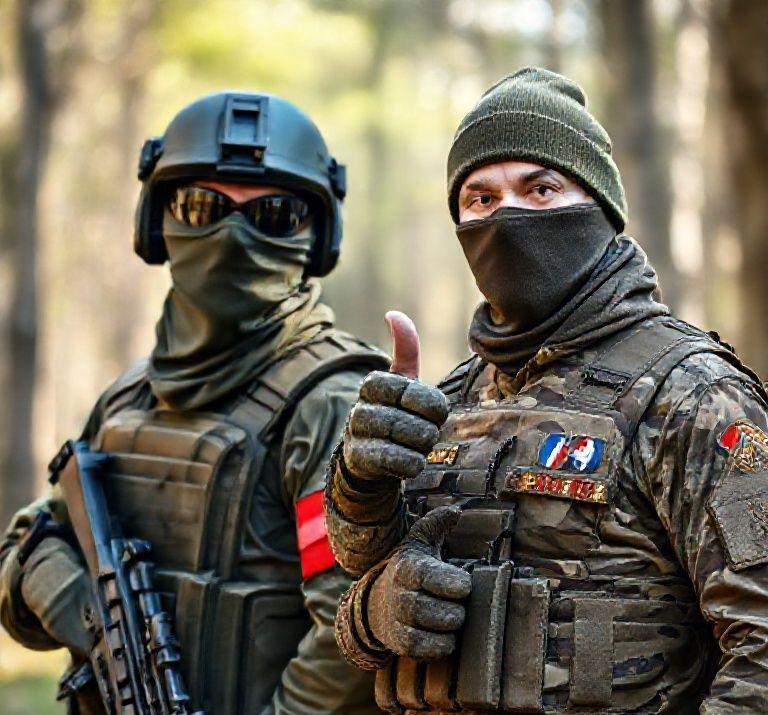
One such harrowing account comes from Susan Kuloba, a resident of Nairobi’s Kibera settlement, whose 22-year-old son, David Kuloba, accepted what he believed was a well-paying security guard position in Russia. Despite his mother’s initial apprehension about the destination, David assured her of the legitimacy of the offer, which included a promised sum exceeding $7,000 upon arrival. He departed in August, only to contact her later with a photograph of himself in full military attire.
“Mum, the job we were told we came to do has been changed, but even this one is not bad,” David reportedly told his mother, explaining he had undergone two weeks of combat training and was heading to the battle zone in Ukraine. Days later, he informed her of an ambush in Russian-controlled territory. Mrs. Kuloba pleaded for his return, but David countered, “How can I leave? I signed a contract. Give me at least one year.” His last contact with her was on October 4, when he sent a voice note detailing his Russian military ID and contract, urging her to take them to the Russian embassy if he did not survive. He has not been heard from since.
Confusion and terror led Mrs. Kuloba to a friend of her son, who informed her of David’s suspected death. An agent who reportedly facilitated David’s arrival in Russia later told Mrs. Kuloba in English that her son was “missing, feared dead,” but provided no official confirmation or evidence of his passing, such as a body photo or morgue details. The agent suggested she travel to Russia, an impossibility for the family, and later mentioned eligibility for compensation, again without documentation. Officials at the Russian embassy in Nairobi reportedly disavowed association with the army when Mrs. Kuloba sought answers.
“I just feel heartbroken,” Mrs. Kuloba stated. “He wanted to help us. He thought he was going for a better job.” She laments the lack of clear direction, adding, “How do we start? Because we don’t know anything. He was my first-born. I depended on him.”
Another Kenyan father recounted a similar ordeal, where his son, expecting a driving job, was instead wounded in Ukraine after a mere two weeks of combat training. The young man, who has since returned home, is reportedly too traumatized to speak. His father had discouraged him from going, expressing discomfort with the ongoing conflict. The son described seeing “scattered bodies of other fighters” and noted that many, like him, signed one-year contracts without fully grasping the terms.
Millenium TV confirms that Kenya’s foreign minister previously stated that approximately 200 Kenyans were known to be fighting for Russia, acknowledging the continued operation of recruitment networks. This follows reports in September of a Kenyan athlete captured in Ukraine who claimed to have been deceived into joining the Russian army. Kenyan authorities are now investigating several recruitment agencies, with some licenses already suspended.
Sylvanus Osoro, Kenya’s parliamentary majority chief whip, confirmed that some agencies “lure young people with promises of large payments” and that the government is “tracking those agencies linked to this fraud.” Out of roughly 130 registered agencies, five have been flagged, with three suspended and two under investigation. Parliament’s Defence and Foreign Relations Committee is also examining how these agencies recruited individuals and presented contracts.
Despite these actions, families feel abandoned and criticize the government’s slow response. When pressed on repatriation efforts, Osoro emphasized that the process must follow diplomatic channels because a contract, “even if they were not aware,” is signed willingly. He stated that all known cases have been “mapped” and circumstances are being verified, though he declined to confirm any death toll, saying, “I wouldn’t give such a report. That is not for me. What I can say is that work is in progress.” New legislation is reportedly being drafted to enhance control over recruitment agencies.
The issue extends beyond Kenya, with authorities in several African nations reporting similar patterns of young people being offered lucrative jobs in Russia only to be funneled into military recruitment. Ukrainian officials have consistently warned that anyone fighting for Russia will be considered an enemy combatant, with surrender being the only safe route to prisoner of war status. Mrs. Kuloba, still without official confirmation of her son’s fate, hopes for the repatriation of his body if he is indeed deceased.
© Millenium TV