a-sharply-focused-black-gimbal-mounted-surveillance-camera-on-the-roof-of-a-white-police-vehicle-fl.jpg
United Kingdom police forces are considering a significant increase in their use of facial recognition technology, a move heralded by the Policing and Crime Minister as the most impactful development in crime-fighting since the advent of DNA matching. A ten-week public consultation, which began this week, is now seeking views on the widespread implementation of this powerful tool, potentially paving the way for new legislation.
Minister Sarah Jones stated that expanding the technology’s application would enable forces to apprehend more offenders and combat crime across communities. Millenium TV has learned that the Metropolitan Police alone has reported approximately 1,300 arrests attributed to facial recognition since 2023, including individuals involved in serious crimes such as rape and violent offenses. Officials believe the technology could also prove invaluable in identifying and recapturing prisoners mistakenly released.
However, the prospect of increased surveillance has sparked strong reactions. A prominent civil liberties group expressed grave concerns, arguing that such an expansion risks transforming the country into what one spokesperson termed an “open prison.” The group suggested that the nation is “hurtling towards an authoritarian surveillance state that would make Orwell roll in his grave,” urging a pause in the technology’s use during the consultation period.
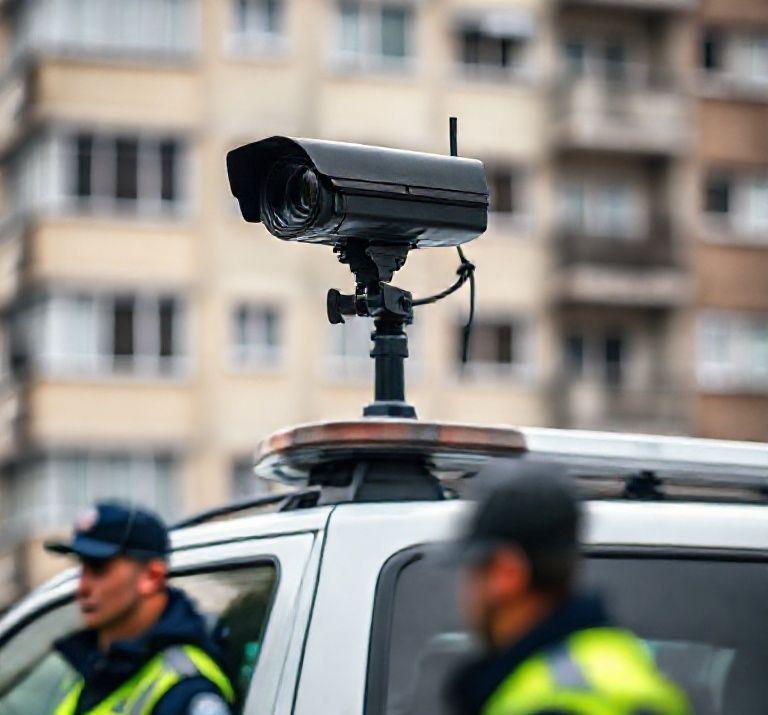
The government has proposed establishing a new regulatory body to oversee police utilization of biometrics and facial recognition, with the consultation specifically seeking public input on how the technology should be governed and personal privacy safeguarded. In 2024, significant investment, totaling £12.6 million, was allocated to facial recognition initiatives, with £2.8 million specifically directed towards live recognition capabilities. Last November, a new fleet of mobile vans equipped with this technology was deployed by several forces, building on pilot programs already in operation.
New laws resulting from the consultation are anticipated to take around two years to pass through Parliament. These regulations would primarily impact policing in England and Wales but would also hold relevance for specific powers in Scotland and Northern Ireland. The technology currently encompasses retrospective analysis of crime scene images, live video footage comparisons against wanted lists, and operator-initiated mobile applications for identity verification.
Lindsey Chiswick, who leads for the National Police Chiefs’ Council on facial recognition, emphasized that existing live facial recognition deployments are already subject to robust safeguards. However, she underscored the critical importance of public trust, adding, “We want to build on that by listening to people’s views.”
© Millenium TV