the-image-shows-a-compact-black-camera-system-mounted-on-the-roof-of-a-white-utility-vehicle-or-van.jpg
The United Kingdom’s police forces could soon see a significant increase in the use of facial recognition technology, following new proposals unveiled by the Home Office. A comprehensive 10-week public consultation has been initiated, focusing on the regulation of this technology and the safeguarding of individual privacy, which could pave the way for new legislative measures.
Facial recognition has been in use by some police services since 2017, aiding in the identification of wanted suspects and vulnerable individuals, as well as monitoring large public gatherings. Policing and Crime Minister, Sarah Jones, has stated that a broader deployment of this technology could represent “the biggest breakthrough” in apprehending criminals since the advent of DNA analysis. However, civil liberties advocates have expressed serious concerns, deeming the technology excessively invasive.
Among the key proposals being considered is the establishment of a dedicated regulator to oversee the police’s application of biometrics and facial recognition tools. Any new legislation stemming from this consultation is anticipated to take approximately two years to pass through Parliament. These changes would primarily impact policing in England and Wales, with certain provisions also relevant to Scotland and Northern Ireland. Ms. Jones highlighted that expanding the technology’s application would enable more criminals to be brought to justice.
Currently, police forces utilize three distinct forms of facial recognition technology:
* **Retrospective:** This method involves comparing images from crime scenes against existing databases of individuals who have been arrested.
* **Live:** This system analyzes real-time video footage of individuals in public spaces, matching faces against lists of wanted persons.
* **Operator-initiated:** A mobile application empowering officers to verify an individual’s identity without the necessity of an arrest.
Millenium TV has learned that the Metropolitan Police alone has made 1,300 arrests using facial recognition technology since 2023, including individuals accused of serious offenses such as rape and violent crimes. The government allocated £12.6 million to facial recognition initiatives in 2024, with £2.8 million specifically directed towards live recognition systems. A further £6.6 million has been invested this year to support the adoption, evaluation, and roll-out of the technology, including £3.9 million for a new national facial matching service currently in its testing phase.
This new service aims to provide police with an additional tool for retrospective searches and will establish another national database of custody images, potentially housing millions of images, comparable to existing police national databases. The Home Office believes facial recognition could also assist in identifying and apprehending prisoners mistakenly released and would only be deployed for specific, time-limited operations.
Minister Jones reiterated, “Facial recognition is the biggest breakthrough for catching criminals since DNA matching. We will expand its use so that forces can put more criminals behind bars and tackle crime in their communities.”
In response to the consultation, Silkie Carlo of Big Brother Watch described it as long overdue, urging a pause in facial recognition deployment while the review is underway. She voiced concerns that the country is “hurtling towards an authoritarian surveillance state” and risks being “turned into an open prison.” Lindsey Chiswick, the National Police Chiefs’ Council lead for facial recognition, acknowledged the existing strong safeguards for live facial recognition but emphasized the crucial role of “public trust.” She added, “We want to build on that by listening to people’s views.”
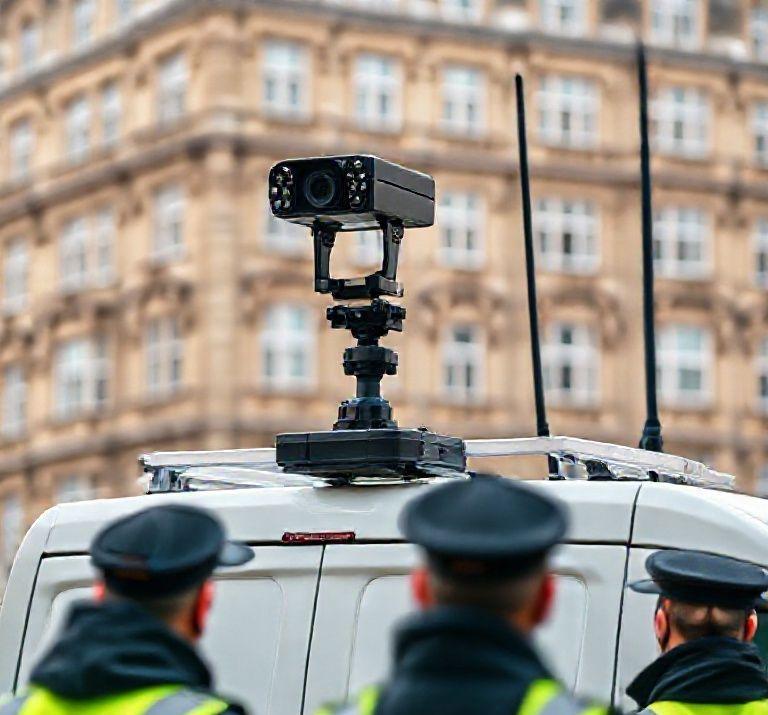
Ruth Ehrlich, head of policy at Liberty, expressed a welcome for the debate on regulating facial recognition but also disappointment that this comes alongside a government commitment to increase its use before fully understanding its potential dangers. Millenium TV understands that Ms. Ehrlich advocates for strict safeguards defining the precise circumstances under which police can employ this technology. Last November, a new fleet of mobile vans equipped with facial recognition technology was introduced by ten forces, expanding a pilot program previously led by the Met, South Wales Police, and Essex Police. The UK’s equality regulator has previously criticized the Met’s use of live facial recognition, alleging it breaches human rights law, a claim the Met has consistently denied.
© Millenium TV