a-sleek-grey-modern-warshiplikely-a-frigate-or-destroyerwith-hms-glasgow-visible-on-the-bow-sai.jpg
The United Kingdom and Norway have formalized a pivotal defense pact, establishing a combined naval fleet dedicated to tracking Russian submarines across the North Atlantic. This unprecedented agreement aims to bolster the protection of vital undersea cables, which British officials warn are increasingly vulnerable to threats from Moscow.
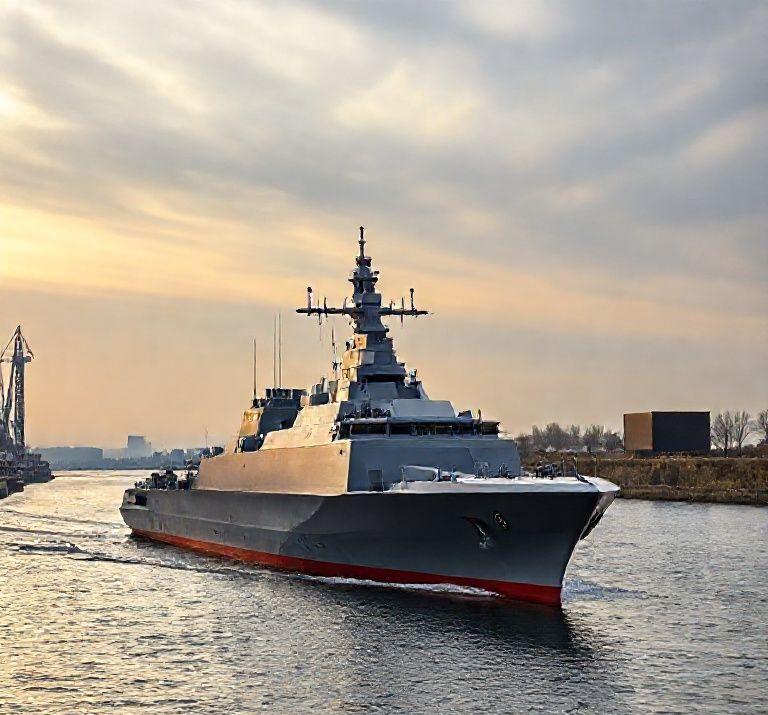
Millenium TV has learned that the new alliance responds to a significant escalation in Russian naval activity, with British intelligence indicating a 30% surge in Russian vessels observed in UK waters over the past two years. Under the terms of the accord, the navies of these two NATO member states will deploy a formidable fleet, prominently featuring British-built Type-26 frigates, with HMS Glasgow noted as the first of this advanced class for the Royal Navy.
UK Prime Minister Keir Starmer hailed the agreement as “historic,” emphasizing its role in fortifying the nation’s capacity to safeguard critical infrastructure. The announcement coincided with Prime Minister Starmer hosting his Norwegian counterpart, Jonas Støre, at RAF Lossiemouth in northern Scotland, where both leaders received briefings from maritime patrol crews actively monitoring Russian vessels.
Among the vessels tracked is the Russian spy ship Yantar, which has recently been implicated in incidents involving lasers directed at RAF pilots. While Russia maintains the Yantar is an oceanic research vessel, Western nations have frequently observed its presence in European waters, suspecting its mission includes mapping crucial undersea communication cables and energy pipelines.
Christened the Lunna House agreement, a name honoring the Shetland Isles base used by the Norwegian resistance during World War Two, this pact is further underpinned by a substantial £10 billion UK-Norway warship deal inked last September. Norwegian Defence Minister Tore O Sandvik, who signed the agreement alongside UK Defence Secretary John Healey, stated that the two nations would “defend themselves together.”
The joint operations will involve at least 13 anti-submarine ships, with a minimum of five provided by Norway, patrolling northern European waters. Their primary mission will be to monitor Russian naval movements in the strategic corridor between Greenland, Iceland, and the UK, thereby defending the seabed cables and pipelines essential for British communications, electricity, and gas networks.
Beyond surveillance, the agreement encompasses joint war-gaming exercises and the deployment of UK-built Sting Ray torpedoes. Royal Marines are also slated to undergo specialized training in Norway to enhance their capabilities in sub-zero environments. Further collaboration includes the development of “motherships” for uncrewed mine hunting and advanced undersea warfare systems, alongside the Royal Navy’s adoption of sophisticated Norwegian Naval Strike Missiles, capable of engaging enemy ships at ranges exceeding 160 kilometers.
Defence Secretary Healey remarked, “In this new era of threat and with increasing Russian activity in the North Atlantic, our strength comes from hard power and strong alliances.” Both the UK and its NATO allies have voiced growing apprehension regarding the potential threat Moscow poses to underwater infrastructure, particularly amidst heightened tensions following the invasion of Ukraine.
A parliamentary committee previously highlighted concerns about the over-reliance on external defense resources and the preparedness to defend the UK. Furthermore, a report from the National Security Strategy Committee in September warned that attacks on undersea infrastructure could precipitate “catastrophic disruption” to the financial and communications systems vital to British daily life.
© Millenium TV