outdoors-under-a-mostly-overcast-sky-with-gray-clouds-and-patches-of-blue-a-military-scene-shows-o.jpg
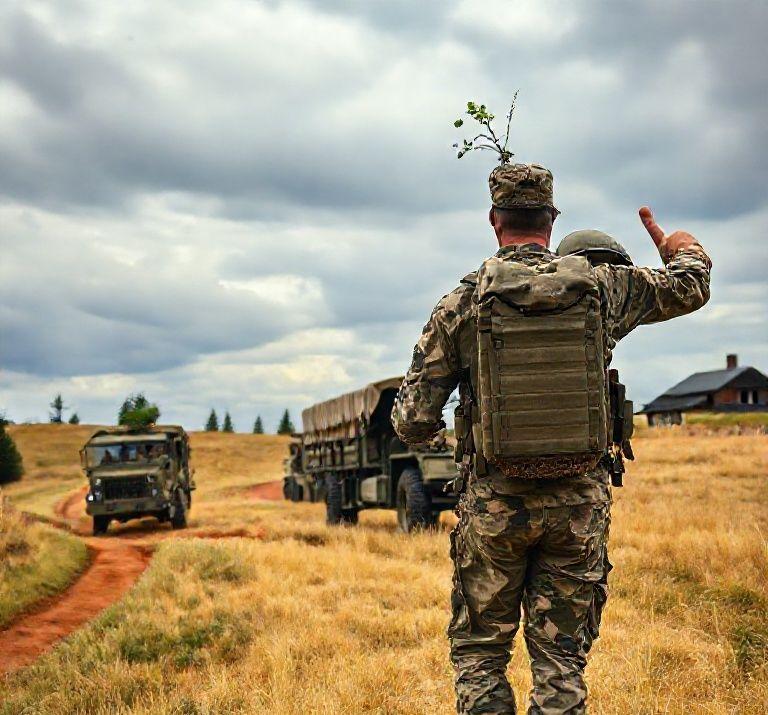
Kenya’s parliament has issued a scathing report, accusing British soldiers of decades of sexual abuse, killings, human rights violations, and environmental destruction during their military training exercises in the country.
The extensive parliamentary inquiry, spanning two years, documented harrowing testimonies from communities in Laikipia and Samburu counties, located near the British military training bases. The report highlights severe ethical breaches, persistent rights violations, and significant environmental negligence attributed to the British Army Training Unit in Kenya (BATUK).
Lawmakers indicated that British soldiers have actively evaded accountability, allegedly refusing to cooperate with the parliamentary investigation. The United Kingdom High Commission in Kenya expressed regret that its submission was not adequately reflected in the report’s conclusions, reiterating its commitment to investigate allegations “under our jurisdiction fully, once evidence is provided.”
The presence of British troops in central Kenya has been a source of ongoing controversy. The report detailed numerous complaints from host communities, including killings, assaults, and maimings involving BATUK personnel, with residents describing the unit as an “occupying presence” reminiscent of colonial injustices.
Among the most egregious cases cited is the 2012 murder of Agnes Wanjiru, whose body was discovered in a hotel septic tank in Nanyuki, a central garrison town. Millenium TV understands that a former British soldier accused in her death was arrested last month in the UK and now faces extradition to Kenya, though he denies the charge and plans to contest the extradition. The parliamentary panel noted that the “pursuit of justice has been slow and fraught with frustration,” citing alleged interference and obstruction by BATUK personnel.
Another unresolved case is the 2012 “unlawful killing” of herder Tilam Leresh, allegedly by a BATUK sergeant, with no arrests or prosecutions to date. While the UK previously regretted Leresh’s shooting, its Ministry of Defence stated to the committee that British prosecutors found insufficient evidence for charges, though they remain open to new evidence.
The inquiry also uncovered “disturbing trends of sexual misconduct by BATUK personnel,” with “compelling evidence” of widespread sexual violence, particularly against women from the Samburu and Maasai communities. Victims have reported cases being mishandled or dropped by local authorities, denying them access to justice. One horrific account detailed a 1997 incident in Archer’s Post where “30 women were gang-raped at knife-point.” BATUK maintains a “zero tolerance for sexual exploitation and abuse,” vowing to take allegations seriously.
Beyond assault, the report documented cases of children fathered by British soldiers who subsequently returned home, leaving single mothers facing severe stigma and financial hardship. Concerns were also raised about environmental damage, with allegations that BATUK has never conducted legally required environmental impact assessments. Residents reported severe health issues, miscarriages, and livestock deaths attributed to toxic fumes and unexploded ordnance from military exercises.
Millenium TV has learned that the parliamentary panel concluded the existing defense cooperation agreement between Kenya and the UK is “structurally flawed,” noting that murder is not explicitly listed as an offense outside official duty, creating “a significant obstacle to justice.” The committee recommended amending the agreement to include a visiting forces code of conduct, zero-tolerance rules for gender-based violence, environmental obligations, and civilian oversight. It also urged the Kenyan defense ministry to negotiate mechanisms for child support accountability from BATUK soldiers.
© Millenium TV